


Zhejiang Sanrong Electric Motor Co., Ltd. is one of the most experienced manufacturers and suppliers of 24v hydraulic dc motor-factory in China. We warmly welcome you to buy customized 24v hydraulic dc motor-factory at competitive price from our factory. If you have any enquiry about quotation, please feel free to email us.
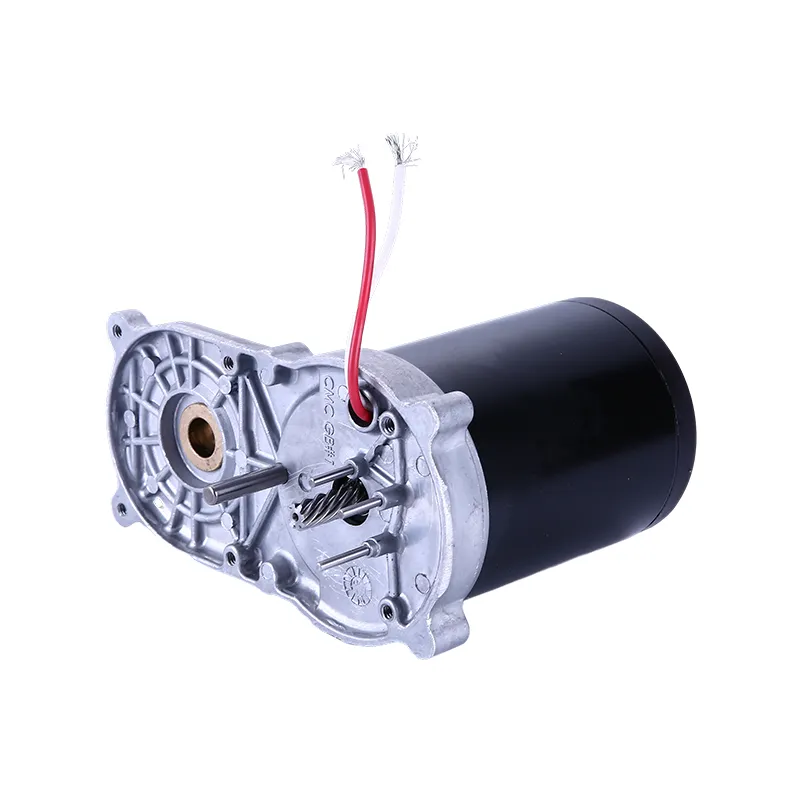
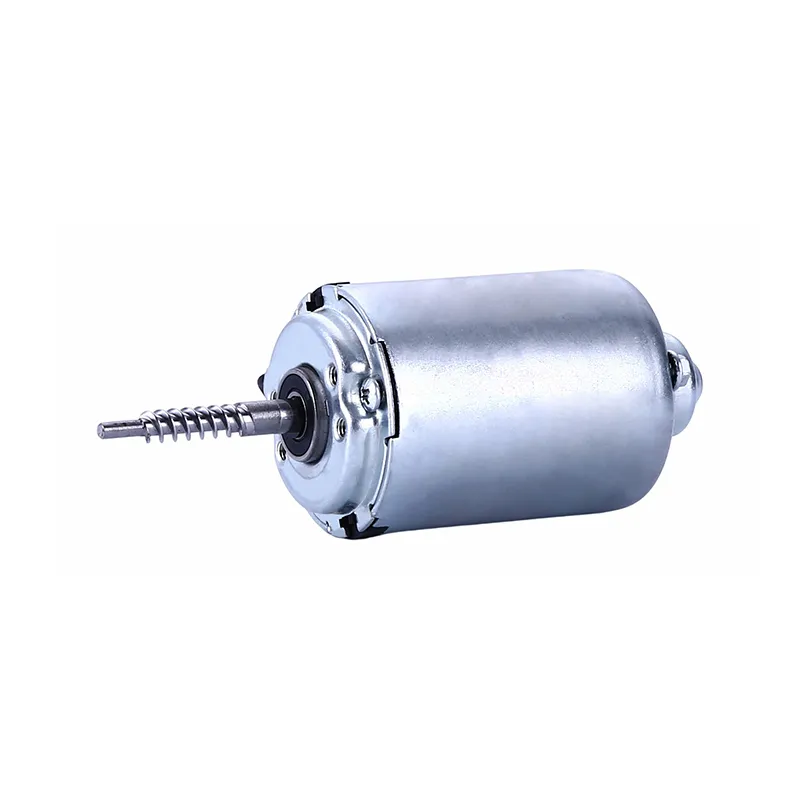
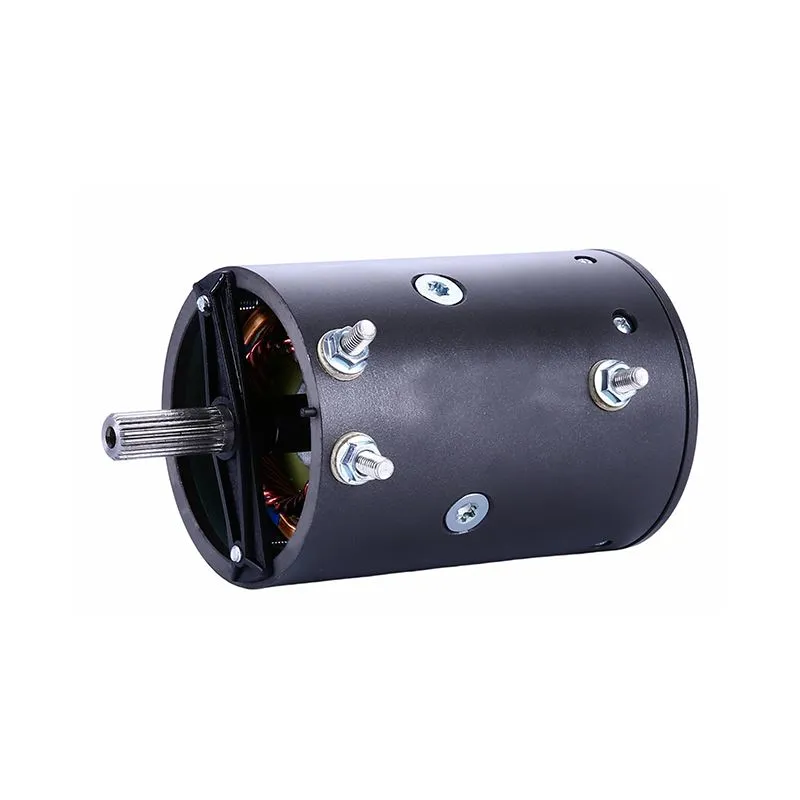
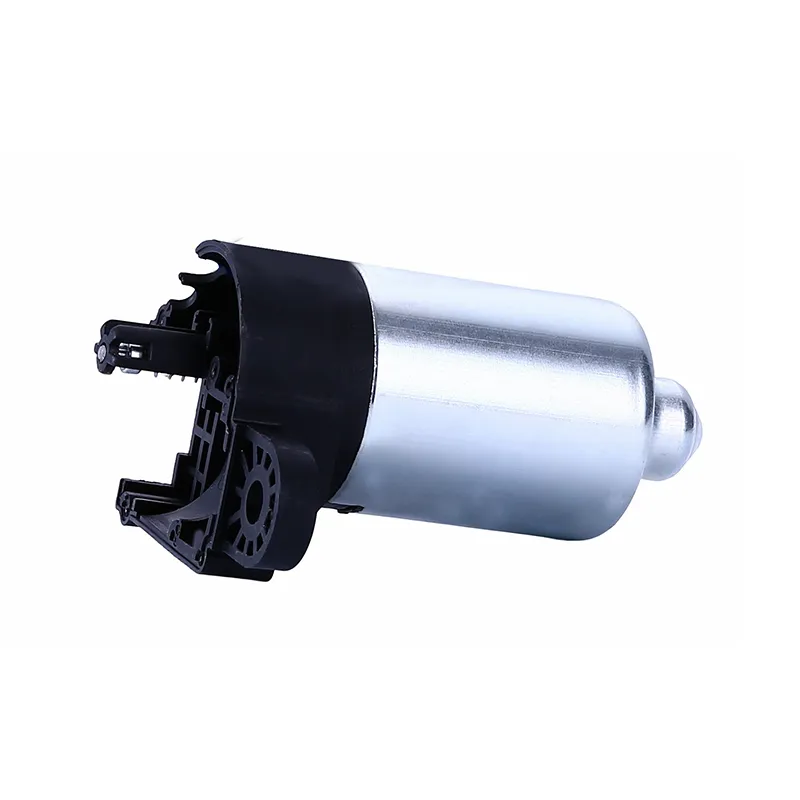
24V Hydraulic DC motor
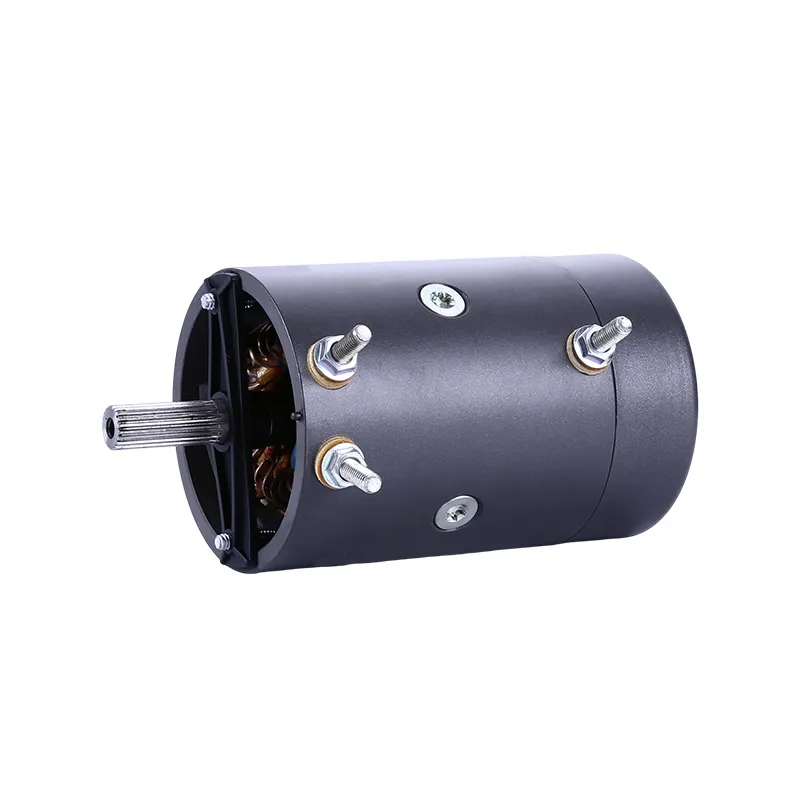
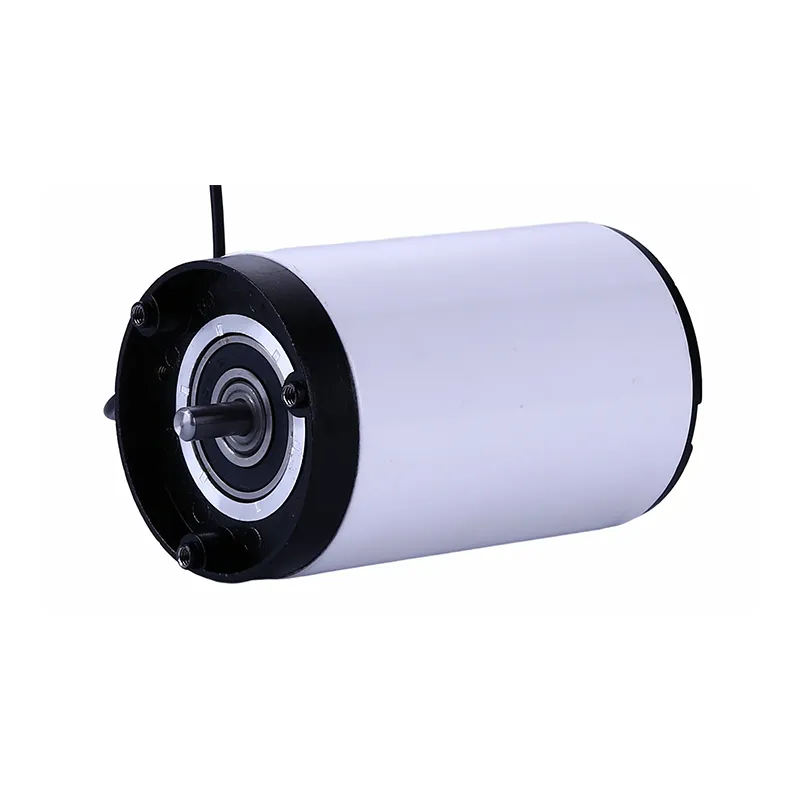
24V 2.5KW Hydraulic DC motor
Application: Intelligent Logistics,Construction Machinery,Vehicle Power Unit,Lifting machine,Ladder truck,special equipment,Automobile tail stock.
Package: Standard export pallet. 100pcs/pallet
MOQ:100pcs
| MODEL | RATED VOLT | SPEED | OUTPUT POWER | RATED CURRENT | RATED TORQUE | DUTY CYCLE | INSULATION | WATERPROOF |
| 2493 | 24V DC | 3000rpm | 2500W | 190A | 8N.m | S2=2min | F | IP54 |

What is 24V Hydraulic DC Motor?
24V Hydraulic DC Motors are rotary or mechanical actuators that operate by converting hydraulic pressure or fluid energy into torque and angular displacement. These devices are used to drive various systems in the world, ranging from construction and mining equipment to agricultural machinery. There are different types of 24V Hydraulic DC Motors, and engineers must choose one that is appropriate for the application they need to use it in. The selection depends on the hydraulic system requirements, such as load, operating pressure, speed and serviceability.
Why Choose Us?
Rich Experience
Sunroad Motor has been specializing in the development and production of DC motors for over three decades. As a professional manufacturer of DC motors, it is also an authoritative micro-motor engineering technology center certified by relevant institutions.
Professional Team
The company has established a comprehensive team of 160 professionals dedicated to production, research and development, and management. Equipped with advanced facilities, the team is capable of independently designing and developing products tailored to customer requirements.
Quality Assurance
All our products undergo rigorous quality control processes and have received official certifications, including ISO9001 system certification, CE certification, and UL certification. Additionally, we hold numerous patents that reflect our commitment to innovation and excellence.
Broad Market
Our products are exported to Europe, America, and major cities across China. We maintain long-term, stable partnerships with leading customers in the industry on a global scale, ensuring consistent satisfaction and trust.
Advantages of 24V Hydraulic DC Motor
Improved efficiency: One of the key advantages of using a 24V hydraulic DC motor for industrial applications is the significant improvement in efficiency it offers. With its ability to convert fluid power into mechanical energy with minimal losses, 24V hydraulic DC motors ensure maximum power transmission, resulting in enhanced productivity and reduced energy consumption. This not only optimizes the overall efficiency of industrial operations but also contributes to cost savings, making 24V hydraulic DC motors a valuable investment for businesses.
Versatility and adaptability: Another notable advantage of 24V hydraulic DC motors is their versatility and adaptability to various industrial applications. Whether it's operating heavy machinery, powering conveyor systems, or driving industrial vehicles, 24V hydraulic DC motors can effortlessly cater to different needs and requirements. Their ability to deliver high torque even at low speeds makes them ideal for applications where precision and control are crucial. Furthermore, 24V hydraulic DC motors can smoothly function in extreme environments, including high temperatures or in the presence of dust or dirt, ensuring reliable performance in diverse industries.
Enhanced safety: Safety considerations are paramount in any industrial setting, and 24V hydraulic DC motors offer several advantages that contribute to a safer work environment. These motors are typically designed with safety features such as pressure relief valves and overload protection mechanisms, ensuring that the system operates within safe limits. Additionally, 24V hydraulic DC motors operate at lower speeds compared to electric motors, reducing the risk of accidents or injuries caused by high-speed moving parts. The ability to control the speed and power of 24V hydraulic DC motors also allows for precise movement, minimizing the potential for damage or accidents.
Types of 24V Hydraulic DC Motor
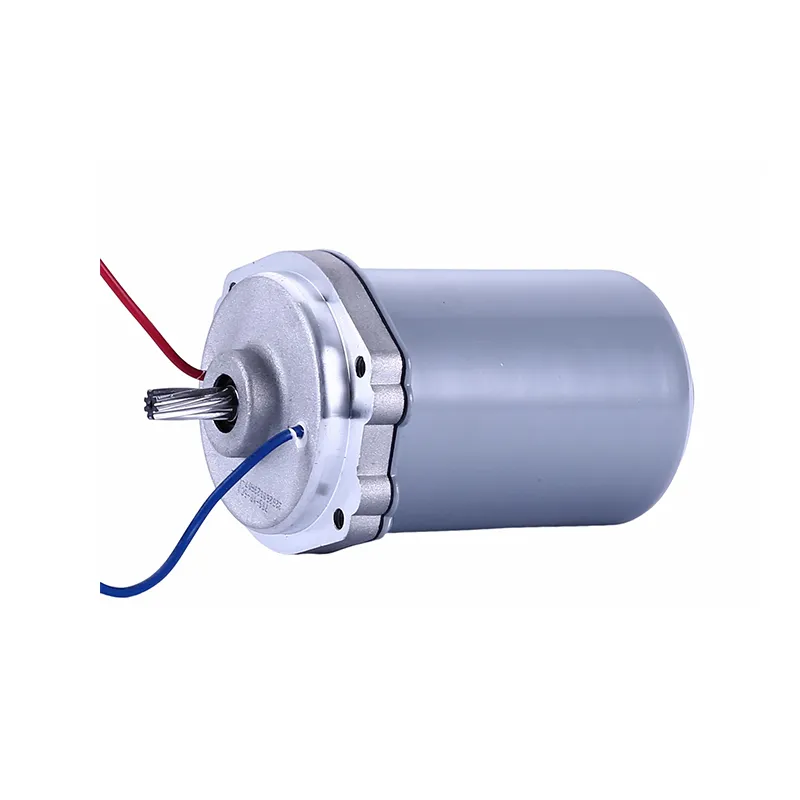
There are 2 main types of 24V hydraulic DC motor. The most common of the 2 types is the positive displacement 24V hydraulic DC motor.
1. Non-positive displacement motor
A great benefit of non-positive displacement 24V hydraulic DC motor is that they produce continuous flow. However, it does come with a drawback. Non-positive displacement motor fluctuate considerably with output as the pressure fluctuates. hydraulic non-positive displacement motor are seen in centrifugal motor, multi-stage and propeller motor.
Often non-positive displacement motor are used for low pressure application as they have a maximum pressure of 18 – 20 bars.
2. Positive-displacement motor
With positive displacement 24V hydraulic DC motor, flow is generally constant regardless of the changes in pressure. In extreme circumstances, this can result in the pump breaking if it was plugged. Positive displacement motor are common amongst peristaltic hose motor, piston motor and rotary lobes.
Unlike non-positive, positive displacement 24V hydraulic DC motor work in high pressure applications, up to 800 bar. Efficiency increases as the pressure increases, making it the 24V hydraulic DC motor of choice for many.
How to Control 24V Hydraulic DC Motor Speed?
Thus, the speed of a 24V hydraulic DC motor can control in three ways:
• By varying the flux, and by varying the current through field winding.
• By varying the armature voltage, and the armature resistance.
• Through the supply voltage.
The 24V hydraulic DC motor is the motor which converts the direct current into the mechanical work. It works on the principle of Lorentz Law, which states that the current carrying conductor placed in a magnetic and electric field experience a force. The speed control mechanism is applicable in many cases like controlling the movement of robotic vehicles. The speed control mechanism is applicable in many cases like controlling the movement of robotic vehicles, movement of motors in paper mills and the movement of motors in elevators where different types of DC motors are used. Speed control of 24V hydraulic DC motor is one of the most useful features of the motor.
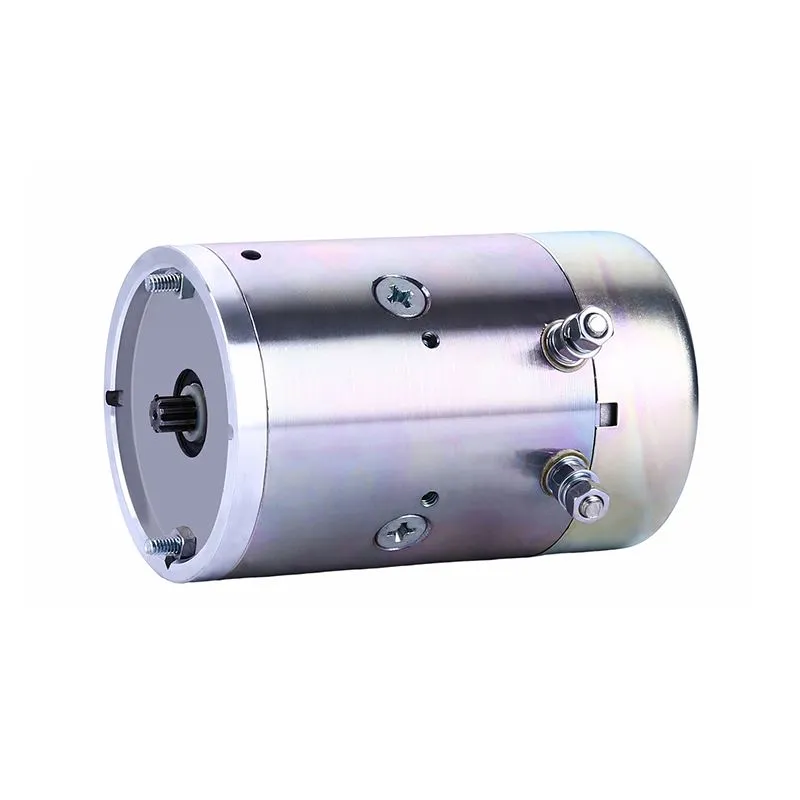
How to Increase the Working Life of Your 24V hydraulic DC motor?
If you've had trouble trying to predict how long your 24V hydraulic DC motor will last, you're not alone; the lifespan of any hydraulic DC motor can be next to impossible to figure, even with a lot of past experience. Unfortunately, there currently exists no approach that's dependable enough to reveal a precise figure. However, it isn't necessary to guess about how long your 24V hydraulic DC motor will live; all that needs to be done is to look at a few factors.
What kind of application your hydraulic system is being used for is the first thing to think about, as this will have the most impact on the life of your 24V hydraulic DC motor. The temperature at which the hydraulic DC motor must operate will be another consideration. Regardless, a hydraulic DC motor of industrial grade will generally have a longer lifespan than one without an industrial designation.
Oil is another consideration; specifically, the grade and type being used in the system. Some oils, like the fire-resistant or other special purpose types, will not have a positive impact on the life of a hydraulic DC motor, but may help the hydraulic DC motor run more easily while in service. The cleanliness of oil is another factor to keep in mind, as this will be integral to the long life of a 24V hydraulic DC motor, and every other components in the system, including hydraulic seals and gaskets.
How hard a 24V hydraulic DC motor works overall will speak volumes about its potential lifespan. The rate at which the hydraulic DC motor spins, the pressure under which it must work and its duty cycle all will contribute to the length of its life. A 24V hydraulic DC motor operating at 70% or less of a duty cycle that spins at 1200 rpm using clean oil is likely to last over 20,000 hours. However, under a 90% load with 1800 rpm and a special purpose oil, that lifespan is reduced to around 10,000 hours.
Even if you have all of the information you could ever want about a particular 24V hydraulic DC motor, there is one thing no one can prepare for, and that is a flaw in the hydraulic DC motor's design. Even the best designs can have hidden flaws which can compromise the system and/or cause complete failure of the hydraulic DC motor itself. For example, if a hydraulic DC motor's design allows for valves to shift rapidly and cause regular spikes in pressure, this will eventually and inevitably cause total hydraulic DC motor failure if left unchecked.
How to Choose 24V Hydraulic DC Motor?
24V hydraulic DC motor are rotary actuators that convert hydraulic energy into mechanical torque. Using the pressure and flow provided by the hydraulic pump, 24V hydraulic DC motor rotate to pull, drive or winch external loads on various hydraulic machines spanning construction equipment to food mixers. The three most common constructions of 24V hydraulic DC motor are the gear, vane and piston varieties, each with a unique style. In addition, some common types use orbital technology, such as gerotor and geroller motors.
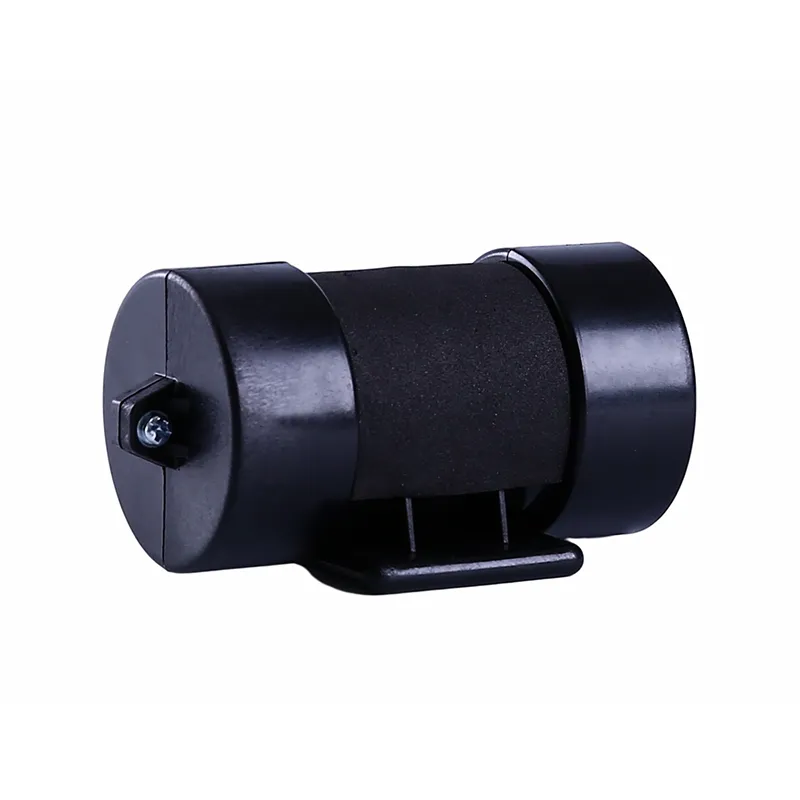
1. Understand motor torque and speed
Torque, or the turning and twisting effort of the force of the motor, is expressed as inch-pounds (in.-lb), foot-pounds (ft-lbs) or newton meters (Nm). When describing the torque performance of a 24V hydraulic DC motor, we describe three different areas. First, breakaway torque is typically used to define the minimum torque required to start a motor with no load, and this torque factors in internal friction and the pressure required to overcome static friction.
Running torque describes the load-induced torque a motor uses to move whatever rotary function the machine requires. Running torque may be relatively stable, such as a winch function, but could also vary widely for dynamically changing conditions, such as wheel drive motors.
Starting torque is the minimum torque required to start a motor under load and is a combination of load-induced torque (which factors inertia) and breakaway torque. The ratio of actual torque to theoretical torque provides us with the mechanical efficiency factor of a 24V hydraulic DC motor.
2. Motor type and selection
Each motor type enjoys different natural characteristics and expect performance to be relative to cost. Gear motors, for example, are inexpensive but generally limited to medium pressure, medium torque and a narrow range of displacement (although they generally offer the lowest displacement options), and they are often rated for high speed (3,000 rpm or more). On the other hand, vane motors offer the fluid power designer a medium-pressure, medium-speed, quieter, and more efficient option than the gear motor option.
The construction of each 24V hydraulic DC motor, as you'd expect, varies widely by style. Gear motors feature two gears, one driven (by the shaft) and the other idle. Their function is simple; high-pressure oil enters the inlet port, which flows around the gears and housing to the outlet port. Although torque is a function of displacement and pressure, providing high pressure at the inlet does not guarantee high force. The pressure differential from the inlet and outlet port matters, so understand that every psi of backpressure reduces effectual output. At the medium-pressure and cost range, vane motors feature a housing with an eccentric bore. The motor's vanes slide in and out of its rotor, and displacement is controlled by the size of the vanes and the width of its eccentric bore. The movement of the pressurized fluid causes an unbalanced force, which in turn forces the rotor to turn in one direction.
What is the difference between 12V Hydraulic DC Motor and 24V Hydraulic DC Motor?
When looking at 12V Hydraulic DC Motor vs. 24V Hydraulic DC Motors, there are some pros and cons to each system type. Let's take a look at some of the pros of each.
• 12V Hydraulic DC Motor
As we talked about earlier in the article, 12V Hydraulic DC Motors are relatively common. Most vehicles use 12V systems as components used in vehicles are designed to operate on 12V Hydraulic DC Motor. The alternators generate 12V Hydraulic DC Motor to charge the battery.
When it comes to RVs, most appliances such as RV refrigerators and all the lighting work on 12V Hydraulic DC Motor as well. 12V systems only require one battery and work well for low-power applications and short wire runs.
12 volt systems are great for their simplicity and that most RV appliances work with them. Smaller solar systems are easy to hook up to them as well.
• 24V Hydraulic DC Motor
24V Hydraulic DC Motors are beneficial because you can use smaller diameter wire and reduce amperage by two times. Using smaller diameter wire can reduce wiring costs and decrease the space needed to run wiring. This is especially important where long wire runs are required.
But wait, how can you run a smaller wire with more voltage?
You can actually run a wire 2x smaller than an equivalent 12V Hydraulic DC Motor circuit. This is because the higher voltage requires less current to produce the same power. Since we are running less current or amps, we can use a smaller wire. This is the same reason power is transmitted on power lines at very high voltages. The wires can be much, much smaller and carry lots more power!
When building out larger portable solar systems using higher voltages like 24 volts or 48 volts is very beneficial. In addition to smaller wires, 24 volt systems operate more efficiently in motors and inverters. Often, the same solar charge controller operating on 24V Hydraulic DC Motor vs 12V Hydraulic DC Motor will handle twice the solar input.
Our Factory
Sunroad Motor Co.,Ltd was established in 1986 and has been deeply involved in DC motors for more than 30 years. It is a professional manufacturer of DC motors and an authoritative certified micro motor engineering technology center. In order to meet the needs of customers and the market, the company invested 20 million yuan in 2000 to establish a modern factory in Ningbo with an area of 22000 square meters. We have established a production, research and development, and management team of 160 people. Our mature research and development team and professional testing and research and development equipment enable us to independently design and develop products according to customer needs. Professional automation equipment greatly improves our production capacity to meet the order needs of domestic and foreign customers.


Ultimate FAQ Guide to 24V Hydraulic DC Motor
Q: How efficient is a 24V Hydraulic DC Motor?
Q: How do you calculate the horsepower of a 24V Hydraulic DC Motor?
Q: Do 24V Hydraulic DC Motors require more maintenance than AC motors?
Q: How much HP do you need to run a hydraulic pump?
Q: How to design a 24V Hydraulic DC Motor?
Q: What is the biggest enemy of a hydraulic system?
Q: What is the life expectancy of a 24V Hydraulic DC Motor?
Q: What is a 24V Hydraulic DC Motor?
Q: How do you size a 24V Hydraulic DC Motor to pump?
Q: What is the most efficient 24V Hydraulic DC Motor?
Q: How do I choose a hydraulic pump motor?
Q: How do I know which 24V Hydraulic DC Motor to use?
Q: What is the life expectancy of a 24V Hydraulic DC Motor?
Q: Can DC motors be 3-phase?
Q: What happens if you run 24V Hydraulic DC Motor at lower voltage?
Q: What is the best oil for 24V Hydraulic DC Motors?
• Hydraulic Engine Oil 68.
• Light Vehicle Synthetic Hydraulic Oil For Industrial, Grade: Aw -46.
• Heavy Vehicle Fortune Engine Hydraulic Oil, For Automobile, Grade: 68 No.
• Heavy Vehicle Castrol Hydraulic Oil, Unit Pack Size: 210 Liter, Grade: Hyspin Aws46.
Q: Why are 24V Hydraulic DC Motors better?
Q: What are the criteria for 24V Hydraulic DC Motor selection?
Q: How do you control the speed of a 24V Hydraulic DC Motor?
Q: What is 24V Hydraulic DC Motor?
Hot Tags: 24v hydraulic dc motor-factory, China 24v hydraulic dc motor-factory manufacturers, suppliers, factory, Heavy Duty Pump 24V DC MOTOR, reliable dc motor, Water Pump 24V DC Motor for Agriculture, 24V pmdc motor, dc brushed motor molds, dc brushed motor connector