


Zhejiang Sanrong Electric Motor Co., Ltd. is one of the most experienced manufacturers and suppliers of pmdc motor-factory in China. We warmly welcome you to buy customized pmdc motor-factory at competitive price from our factory. If you have any enquiry about quotation, please feel free to email us.
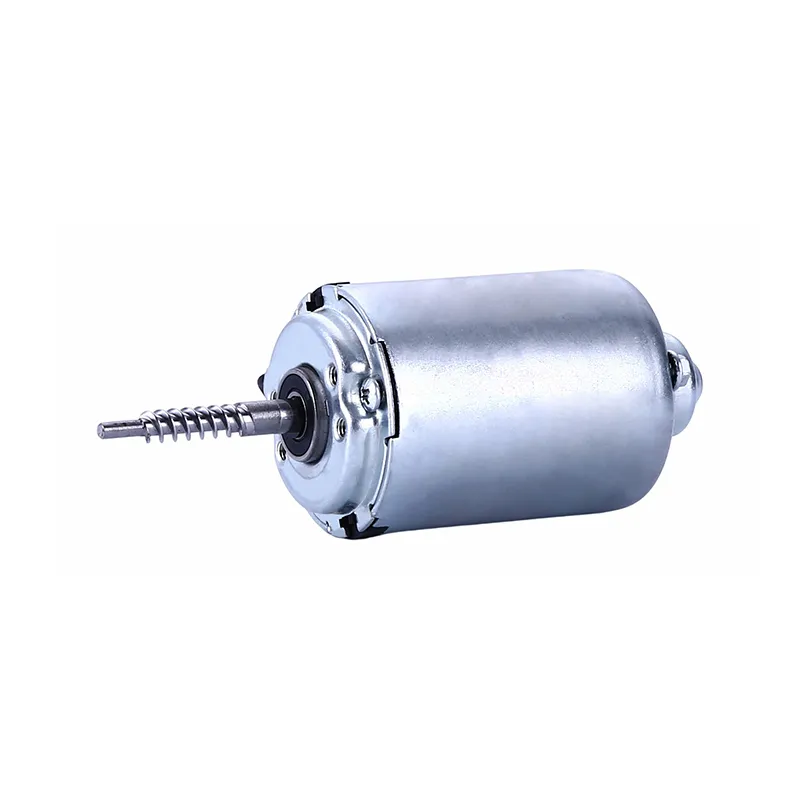
PMDC MOTOR
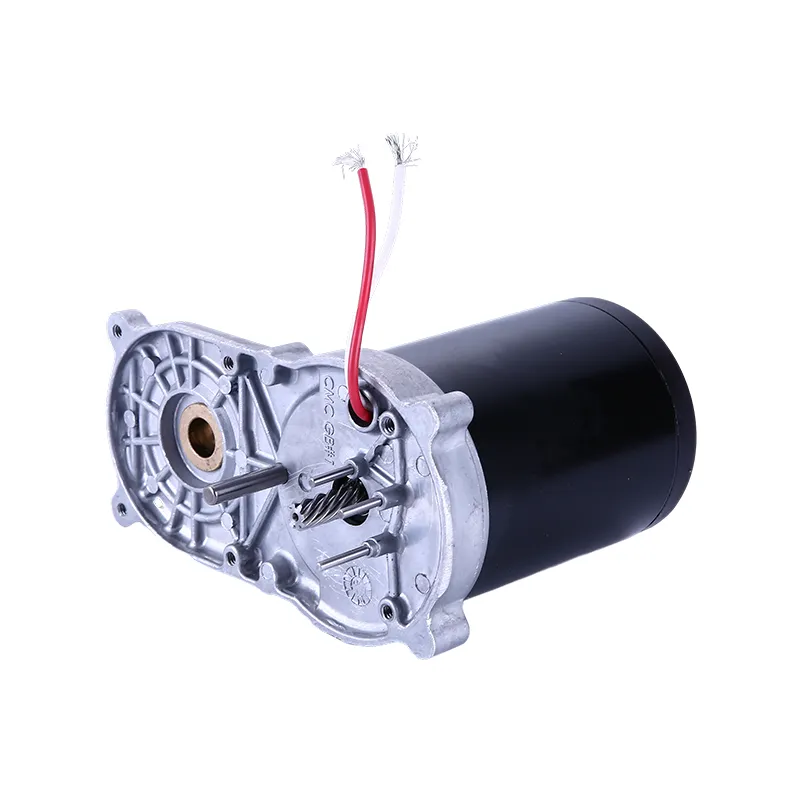
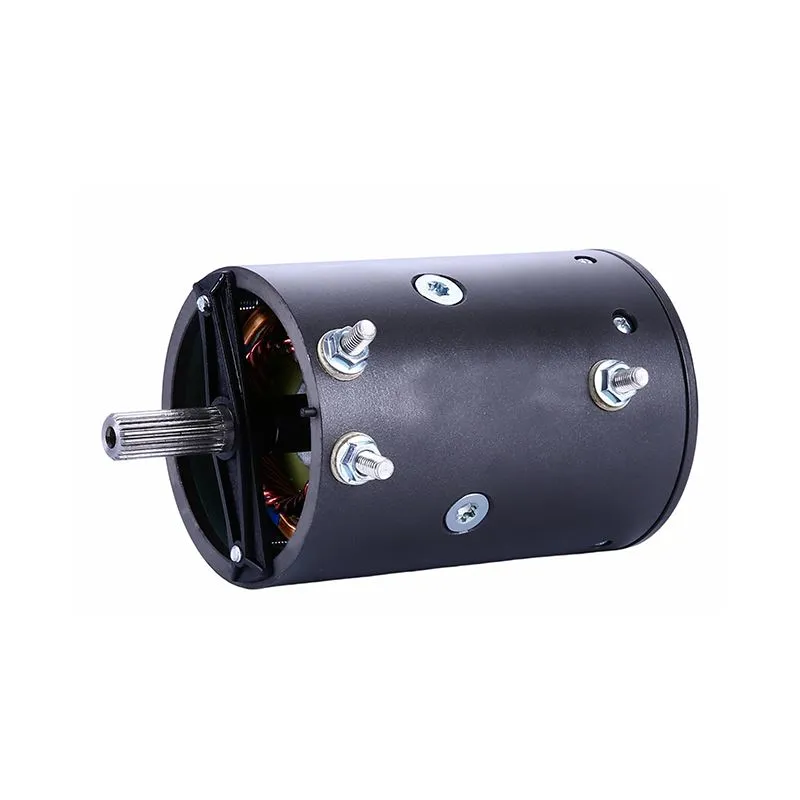
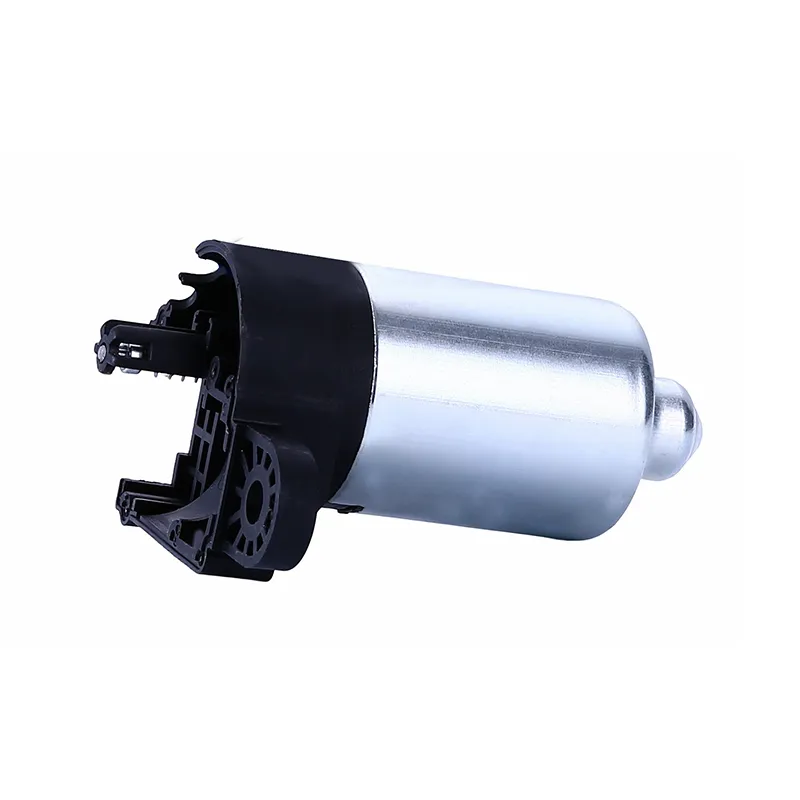
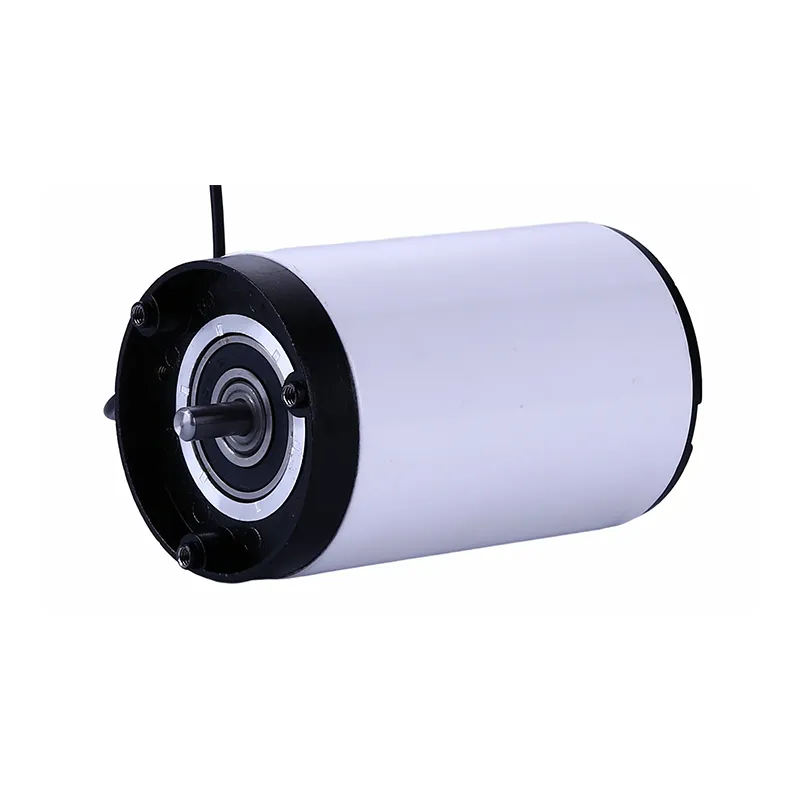
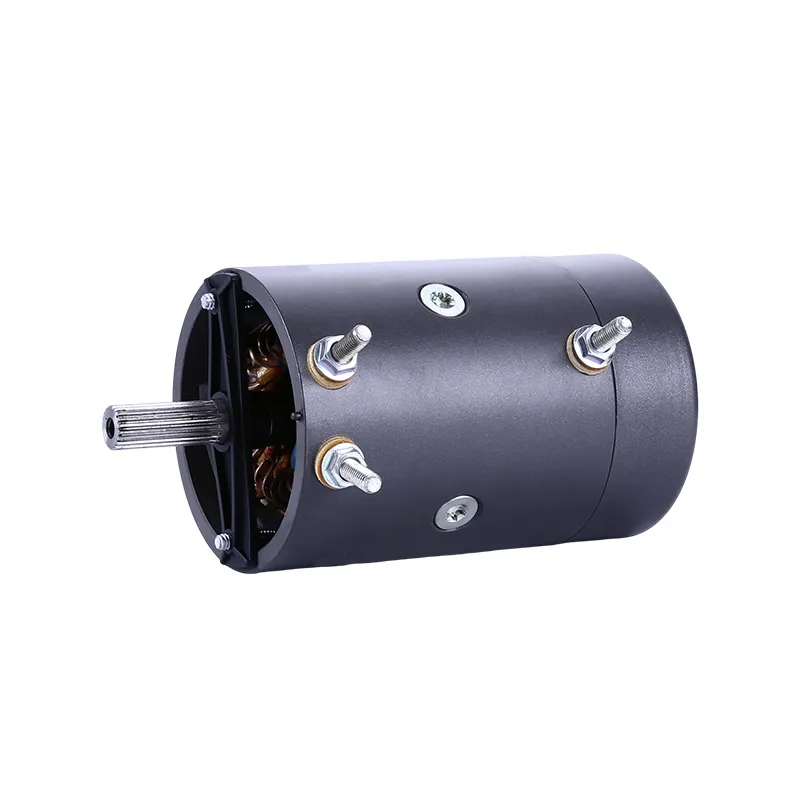
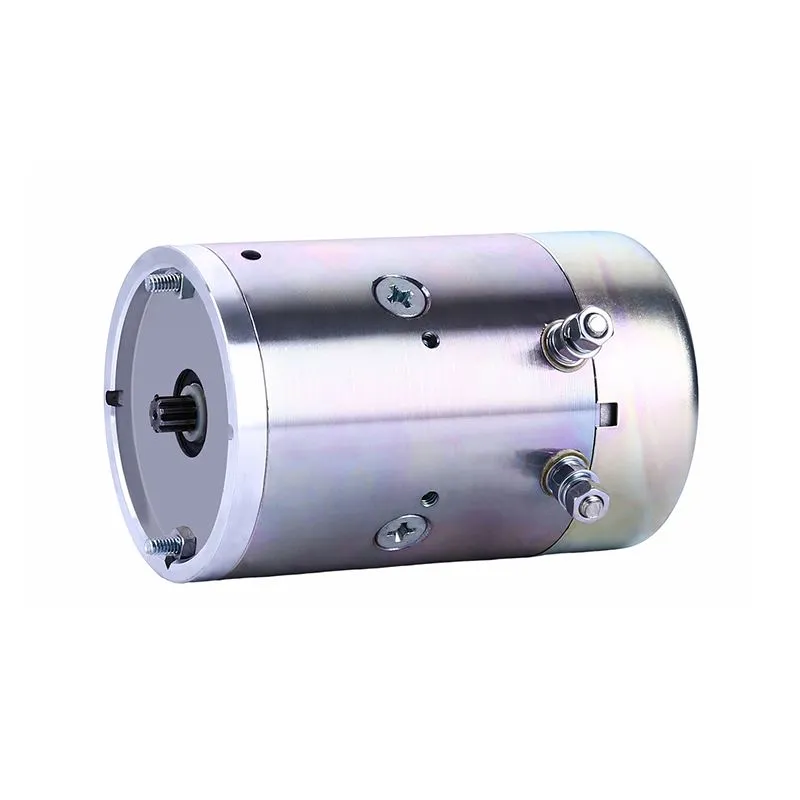
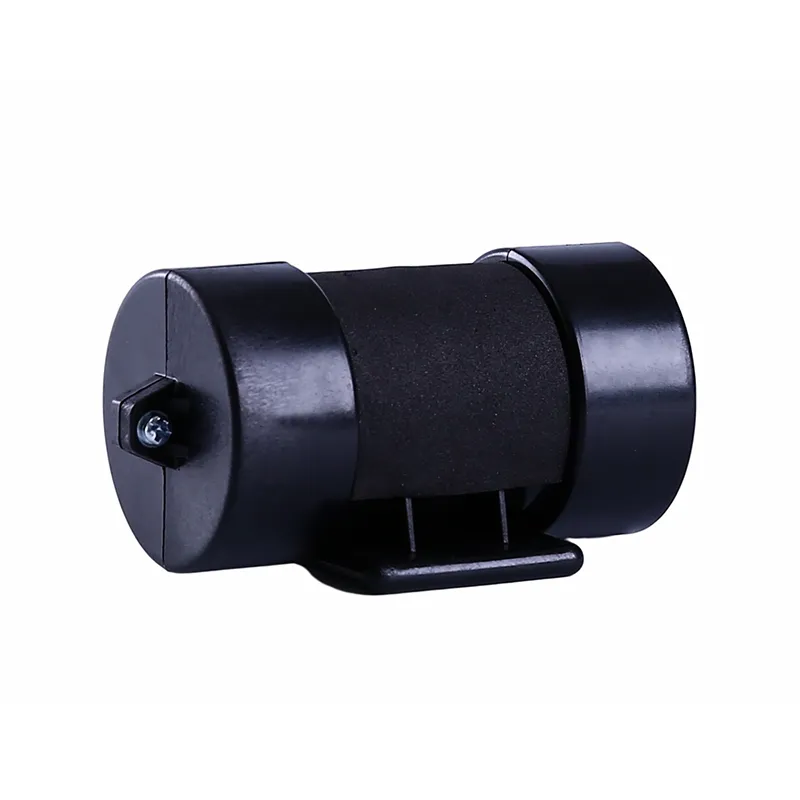
DC permanent magnet motor
Application:sorting equipment,Intelligent Logistics
Package: Standard export pallet. 120pcs/pallet
MOQ:120pcs
| MODEL | RATED VOLT | SPEED | OUTPUT POWER | RATED CURRENT | RATED TORQUE | DUTY CYCLE | INSULATION | WATERPROOF |
| 101s-3-1 | 62V DC | 1150rpm | 230w | 5.5A | 2N.m | S1 | B | IP54 |

What is PMDC Motor?
Permanent magnet DC motor is an advanced type of motor similar to induction motors. PMDC Motor utilizes the power of electromagnetic principles to generate torque. As the name indicates, PMDC Motor uses a permanent magnet to create the magnetic field for operating the DC motor.
Why Choose Us?
Rich Experience
Sunroad Motor has been specializing in the development and production of DC motors for over three decades. As a professional manufacturer of DC motors, it is also an authoritative micro-motor engineering technology center certified by relevant institutions.
Professional Team
The company has established a comprehensive team of 160 professionals dedicated to production, research and development, and management. Equipped with advanced facilities, the team is capable of independently designing and developing products tailored to customer requirements.
Quality Assurance
All our products undergo rigorous quality control processes and have received official certifications, including ISO9001 system certification, CE certification, and UL certification. Additionally, we hold numerous patents that reflect our commitment to innovation and excellence.
Broad Market
Our products are exported to Europe, America, and major cities across China. We maintain long-term, stable partnerships with leading customers in the industry on a global scale, ensuring consistent satisfaction and trust.
Advantages of PMDC Motor
The PMDC motors offer a host of advantages in terms of efficiency, size and cost among others.
Smaller size: PMDC motors are a lot smaller in size which renders them suitable for use in a wide range of applications.
Low manufacturing costs: Innovations in recent years have considerably lowered the manufacturing costs of PMDC motors.
Lower cost to buyers: PMDC motors cos lower as compared to many other motors in the market.
Ease of operation: PMDC motors do not require field winding to operate.
High efficiency: PMDC motors effectively reduce eddy currents and field circuit copper losses delivering high efficiency.
Flexibility: PMDC motors can be constructed to encompass any size and capacity ranging from a few fractions of energy to several units of horsepower depending on the application.
Applications of PMDC Motor
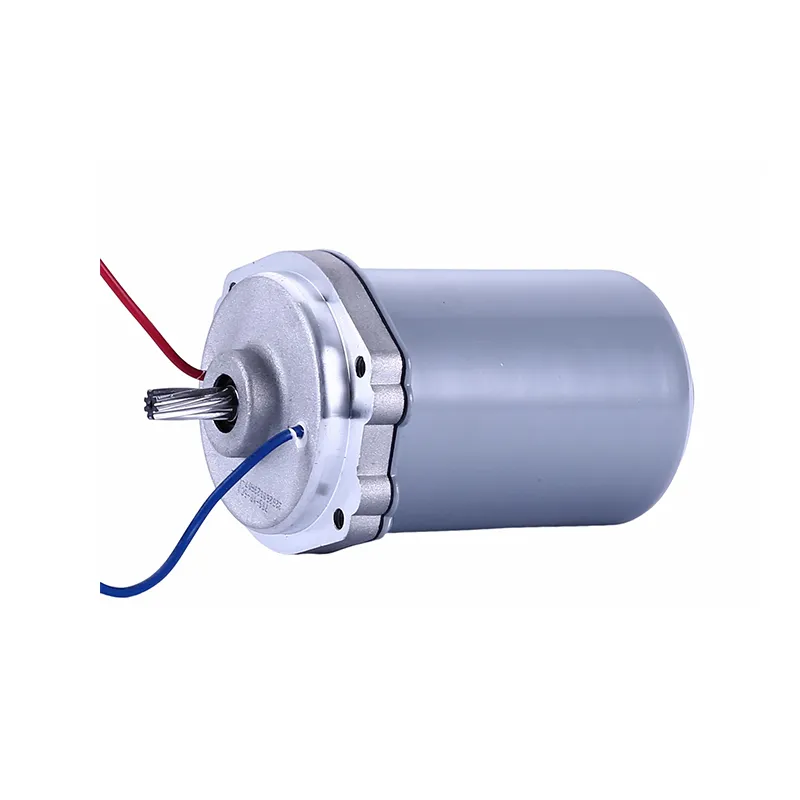
The PMDC motors are used in various applications ranging from fractions to several horsepower. They are developed up to about 200 kW for use in various industries. PMDC motors are mainly used in automobiles to operate windshield wipers and washers, to raise the lower windows, to drive blowers for heaters and air conditioners etc. PMDC motors are also used in computer drives. These types of motors are also used in toy industries. PMDC motors are used in electric toothbrushes, portable vacuum cleaners, food mixers. Used in a portable electric tool such as drilling machines, hedge trimmers etc.
PMDC motors are used in a number of applications in households as well the industry. In the case of industrial use, PMDC motors can be developed to deliver up to 200 kW of power. A major use of PMDC motors is in the automobile sector where they are used to drive windshield wipers, power windows, and blowers in the car heaters or air condition units.
Other significant applications of PMDC motors include:
• Toys
• Computer drives
• Portable electric tools such as drilling machines
• Refrigerators and AC units
Magnets Used in PMDC Motors
Magnets used in PMDC motors come from three types of materials:
• Alnicos magnets
Alnicos feature a high residual flux density and low coercive magnetizing intensity. Hence, they are mostly used in applications where a low current is required at high voltage.
• Ferrite magnets
Ferrite magnets tend to be lower in costs are are used in PMDC motors for cost-sensitive applications such as refrigerators, AC units or compressors.
• Rear earth magnets
Rear earth magnets are composed of neodymium-iron-boron or of samarium cobalt. They feature a high coercive magnetizing intensity and high residual flux. These magnets do not suffer demagnetizing issues due to armature reactions.
Rear earth magnet materials tend to be quite expensive. Within these, Neodymium iron boron costs lower than samarium cobalt, and can also withstand high temperatures. Rear earth magnets are used in PMDC motors for size-sensitive applications including automobiles, servo industrial drives and in large industrial motors.

Why Use a PMDC Motor?
Like an AC motor, a permanent magnet motor uses electromagnetism to generate torque. PMDC motors have permanent magnets in the stator that provide the magnetic field needed to make it function. This is an alternative to traditional brushed or brushless DC motor, where the magnetic field is created in the stator windings. As the magnets are fixed in a permanent magnet motor, you cannot control the magnetic field strength externally. This means that you are likely to find PMDC motors in applications where the speed doesn't need to be controlled. This being said, control can be achieved by controlling armature voltage, so they are not necessarily excluded from use in industries where speed and torque need to vary. They are an excellent choice for products in the leisure and healthcare industries because PMDC motors offer an impressive output and are high performance, despite being generally smaller than other motors.
PMDC motors are generally smaller than other motors, but this doesn't mean they are less useful. In fact, they are perfect for small applications such as wind-shield wipers, air conditioning units and even electric toothbrushes. This also helps with portability, making them easy to transport globally.
Permanent magnet motors can be used in a variety of industries because they can be designed to meet a number of needs, such as size and power. You are just as likely to find a PMDC motor in a computer drive, as you are in a child's toy.
Like other DC motors, PMDC Motors have a high start-up power, making them perfect for a variety of industries. Despite a lower speed, these motors are still very reliable and when combined with one of our gearboxes they create the ultimate geared motor solution.
Due to their smaller size and lack of field windings, PMDC Motors are a reliable and cheaper option for your application.
Working Principle of PMDC Motor
There is not much difference between the basic operating principle of the PMDC motor. When an electrical conductor is introduced within the magnetic field, the conductor experiences a mechanical force. The direction of this force is governed by Fleming's left-hand rule.
In the case of the PMDC motor, the armature is placed within the magnetic field created by the permanent magnets placed inside the stator. The armature will then rotate according to the force generated. The armature has a number of conductors, each of which experiences the force which is then converted into torque, leading the armature to rotate.
Typically, the PMDC motor operates on 6 V, 12 V or 24 Volts DC power which can be provided by rectifiers or batteries. The torque is generated by the interaction between the axial current-carrying rotor conductors and the magnetic flux produced by the permanent magnet.
The position among the stators and the armature can be reduced as the armature rotates due to the torque created by a magnetic field. Te shift in position can reverse the torque in a 90-degree rotation. The commutator set to the rotor shaft of the PMDC motor maintains the torque performing on the rotor.
The current supply towards the stator is activated by the commuter. This helps maintain a steady 90-degree angle among two fields. As the flow of current is frequently activated among windings like the rotor twists, then the current within every stator winding is truly exchanging at a frequency comparative to the no.of motor magnetic poles as well as the speed.
Components of a PMDC Motor
A PMDC motor has two major components:
1. Stator
The stator is the outer part of the PMDC motor which makes up its housing. Magnets are mounted on the inner side of the stator in such a way that the North and South pole of the magnets alternatively face the armature. Apart from housing the magnets, the stator also serves as a low reluctance return path for the magnetic flux. In case the magnets somehow lose their power, an additional field coil is provided to compensate for the same.
2. Armature
The armature is the moving part of the PMDC motor which consists of winding, core, and commuter, and connects to the output shaft of the motor. In other motors, the rotor generates its own magnetic field by using a DC power source or induction. In other cases, it is simply made up of a ferromagnetic metal. PMDC motors however feature a different mechanism.
The core of the armature consists of laminations of steel sheets that are slotted circular and varnish insulated. The seel sheets work to reduce eddy current loss in the rotor.
The armature comprises slots containing armature winding. The commuter of the armature will be supplied with current by the brushes. It will then convert electrical power into motion. The armature is powered by connecting the brushes terminals to the DC supply.
The PMDC motor is considered to be a synchronous motor because the magnets within the motor are capable of achieving speeds equal to the excitation current.
How to Use a PMDC Motor in Electronic Circuits?
PMDC Motors are the most convenient devices in use which can convert the electrical energy into mechanical energy. Electrical motors converts the electrical energy to rotational motion which can then be easily converted to any kind of mechanical motion like moving a robotic arm, moving a needle in a sewing machine etc. The PMDC motors are especially useful since they are very easy to control, produce a lot of power and come in various sizes, shapes and voltage ratings. When used with electrical or electronic circuits one must be careful about certain things like the current consuming, torque, RPM etc.
LOAD or MOMENT OF INERTIA
Every mass in the universe possess inertia. Inertia is the resistance of a body against its change of position, speed etc. The rotating bodies also possess a kind of inertia called moment of inertia. The moment of inertia can be considered as the rotational load or the mass equivalent in linear motion. In case of a robotic arm the rotational load is the sum of frictional force, weight of the arm etc.
TORQUE&CURRENT
Torque of a PMDC Motor is the rotational force which it should generate so as to accelerate a Load attached to its shaft to a required rotating speed. In the case of a PMDC Motor the rotating body could be anything like a robotic arm, wheels of a toy car etc. If the motor is running with the rotating body at the required speed then it can be said that the motor is generating enough torque as required.

The relation between the torque and the load is shown in the following equation:
TORQUE = LOAD * ANGULAR ACCELERATION
If the torque is represented by 'T', the load is represented by 'L' and the angular acceleration as 'A', then the above equation cab be re-written as
T = L * A
When a motor accelerates a load 'L' from 0 RPM to a constant RPM within 't'seconds, then the torque generated can be found as
T = ( ( L * RPM ) / t ) * ( 60 / 2pi )
Torque is actually a kind of force whose value increases as the distance from the center of rotation increases.
The radius of a wheel is marked in the figure and the force required to rotate it is also marked in red. This wheel has its own weight and there might be weight of a vehicle adding to that if the wheel is attached to one. Now the torque required to rotate the wheel can be calculated using the following relation,
T = FD
Where,
T is the torque required,
F is the amount of force that should be applied and
D is the distance from the center of the shaft to the point where the torque is measured, in the case of a wheel like the one shown in the above figure the distance is the radius of the wheel itself.
Hence simply by increasing the diameter of the wheel the torque can be increased.The unit of the torque is Newton Meter (Nm)
The torque 'T' which a PMDC Motor generates to rotate a body and the current 'I' consuming at the same time has a linear relationship. The value of the torque and the current consuming is always proportional to each other and the proportionality constant is called the torque constant KT.
Our Factory
Sunroad Motor Co.,Ltd was established in 1986 and has been deeply involved in DC motors for more than 30 years. It is a professional manufacturer of DC motors and an authoritative certified micro motor engineering technology center. In order to meet the needs of customers and the market, the company invested 20 million yuan in 2000 to establish a modern factory in Ningbo with an area of 22000 square meters. We have established a production, research and development, and management team of 160 people. Our mature research and development team and professional testing and research and development equipment enable us to independently design and develop products according to customer needs. Professional automation equipment greatly improves our production capacity to meet the order needs of domestic and foreign customers.


Ultimate FAQ Guide to PMDC Motor
Q: What is the PMDC motor?
Q: What is the difference between PMDC and normal DC motor?
Q: Where are PMDC motors used?
Q: How does a permanent magnet starter motor work?
Q: Can PMDC motor generate electricity?
Q: What are the two types of PMDC motors?
Q: Why use a PMDC motor?
Q: 8. What are the benefits of PMDC?
Q: What are two advantages of PMDC motors?
Q: What are the limitations of PMDC motors?
Q: Is a PMDC motor more efficient?
Q: Why PMDC motors are better than induction motors?
Q: What is the difference between PMDC and PMSM motor?
Q: What is PMDC motor?
Q: What is the life expectancy of a PMDC motor?
Q: How to run a PMDC motor?
Q: How can we control the speed of PMDC motor?
Q: Can a PMDC motor run on AC?
Q: Are permanent magnet motors AC or DC?
Q: What are the applications of PMDC motors?
Hot Tags: pmdc motor-factory, China pmdc motor-factory manufacturers, suppliers, factory, Marine Water Pump 24V DC MOTOR, dc brushed motor cable, High Pressure Water Pump 24V DC MOTOR, PMDC Motor, linear actuator 24V, 12v dc hydraulic pump motor