

As a supplier of 12V vibration motors, I've had numerous discussions with clients and industry enthusiasts about the energy - efficiency of these motors. This topic is not only crucial for end - users looking to cut down on energy costs but also for businesses aiming to develop sustainable products. In this blog, we'll explore the factors that influence the energy - efficiency of 12V vibration motors and determine whether they truly live up to the label of being energy - efficient.
Understanding 12V Vibration Motors
12V vibration motors are a type of direct - current (DC) motor designed to produce a vibrating motion. They are commonly used in a wide range of applications, from mobile phones to industrial equipment. These motors typically operate on a 12 - volt power supply, which is relatively low compared to other types of motors. The low voltage requirement is often seen as a positive sign for energy efficiency, as it suggests that the motor consumes less power.
Factors Affecting Energy Efficiency
Motor Design
The design of a 12V vibration motor plays a significant role in its energy efficiency. Motors with high - quality bearings and well - designed rotors can reduce friction, which in turn reduces the amount of energy wasted as heat. Additionally, the use of advanced magnetic materials can improve the motor's magnetic field efficiency, allowing it to convert electrical energy into mechanical energy more effectively. For example, a motor with a neodymium magnet can generate a stronger magnetic field with less electrical input compared to a motor with a traditional ferrite magnet.
Load and Usage
The energy efficiency of a 12V vibration motor is also affected by the load it is driving and how it is used. If a motor is constantly running at full capacity, it will consume more energy than if it is operating at a lower load. For instance, in a mobile phone, the vibration motor only needs to produce a small amount of vibration to alert the user. Running the motor at a lower power setting can significantly reduce energy consumption. Moreover, intermittent use, such as in a pager that vibrates only when a message is received, can also lead to better energy efficiency compared to continuous operation.
Power Supply
The quality of the power supply can have a direct impact on the energy efficiency of a 12V vibration motor. A stable and regulated power supply can ensure that the motor receives the correct voltage and current, preventing over - or under - voltage situations that can waste energy. Using a power supply with a high power factor can also improve overall energy efficiency. A power supply with a low power factor draws more current from the grid than necessary, leading to increased energy consumption.
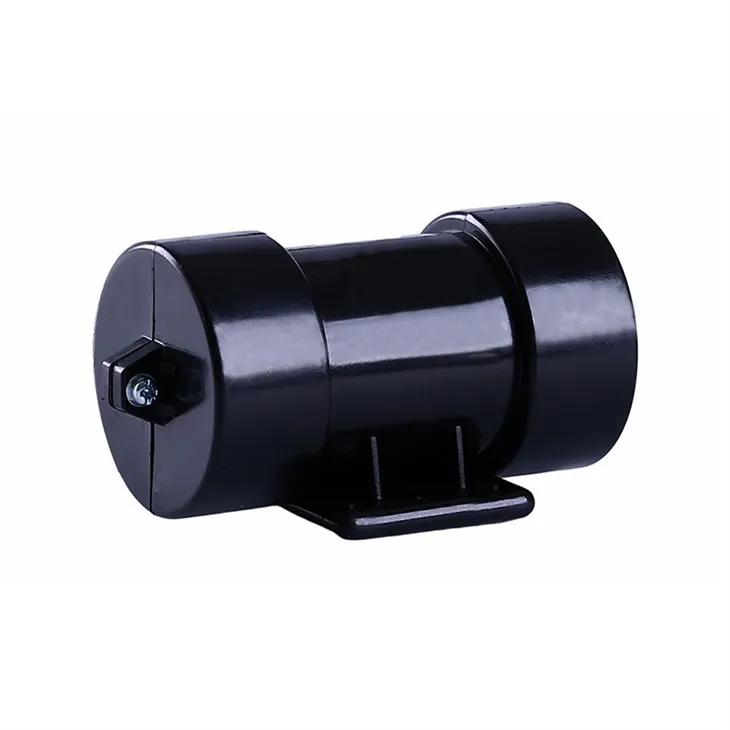

Comparing 12V Vibration Motors with Other Motors
When comparing 12V vibration motors with other types of motors, such as 24V DC Water Pump Motor or 12V Hydraulic DC Motor Two Terminals - factory, it's important to consider the specific application. In general, 12V vibration motors are designed for low - power applications and are often more energy - efficient in these scenarios.
For example, a 24V DC water pump motor is designed to pump water, which requires a relatively high amount of power. In contrast, a 12V vibration motor is used for applications where only a small amount of vibration is needed. While the 24V water pump motor may be more powerful, it will also consume more energy. However, if the application requires a large amount of force or continuous operation, a different type of motor may be more suitable, even if it is less energy - efficient in terms of the vibration motor's low - power requirements.
Measuring Energy Efficiency
To accurately measure the energy efficiency of a 12V vibration motor, we can use several metrics. One common metric is the power efficiency, which is the ratio of the mechanical power output to the electrical power input. A higher power efficiency indicates that the motor is converting electrical energy into mechanical energy more effectively. Another metric is the specific energy consumption, which measures the amount of energy consumed per unit of vibration output. This metric is particularly useful when comparing different motors for the same application.
Real - World Examples of Energy Efficiency
In the consumer electronics industry, 12V vibration motors are widely used in mobile devices. Manufacturers are constantly looking for ways to improve the energy efficiency of these motors to extend the battery life of their products. For example, some mobile phone manufacturers have developed algorithms that adjust the vibration intensity based on the user's preferences and the ambient environment. By reducing the vibration intensity when it is not necessary, the energy consumption of the vibration motor can be significantly reduced.
In the industrial sector, 12V vibration motors are used in conveyor systems to prevent material jams. These motors are often used intermittently, and their energy efficiency can be optimized by using sensors to detect when vibration is needed. For example, a sensor can detect if there is a blockage in the conveyor belt and activate the vibration motor only when necessary. This type of intelligent control can lead to substantial energy savings over time.
Energy - Efficiency in Our Product Line
As a supplier of Vibration Dc Motor - factory, we are committed to providing energy - efficient 12V vibration motors. Our motors are designed with the latest technologies to ensure high energy efficiency. We use high - quality materials and advanced manufacturing processes to reduce friction and improve magnetic field efficiency. Additionally, we offer motors with different power ratings and features to meet the specific needs of our customers, allowing them to choose the most energy - efficient option for their application.
Conclusion
In conclusion, 12V vibration motors can be energy - efficient, but it depends on several factors, including motor design, load and usage, and power supply. When properly designed and used in the right application, these motors can offer significant energy savings. As a supplier, we understand the importance of energy efficiency and are dedicated to providing our customers with high - quality, energy - efficient 12V vibration motors.
If you are interested in learning more about our 12V vibration motors or would like to discuss your specific requirements, please feel free to reach out to us. We are always ready to assist you in finding the best motor solution for your needs. Whether you are a consumer electronics manufacturer looking to improve the battery life of your products or an industrial company aiming to reduce energy costs, our team of experts can provide you with the right advice and products.
References
- "Electric Motors and Drives: Fundamentals, Types, and Applications" by Austin Hughes and Bill Drury.
- "Handbook of Electric Motors" by Irving Gottlieb.