

Can a 12V Vibration Motor be Used in an Industrial Equipment?
As a supplier of 12V vibration motors, I've encountered numerous inquiries from industrial clients about the suitability of our products for their equipment. The question of whether a 12V vibration motor can be used in industrial settings is both complex and crucial, as it involves considerations of power, durability, and functionality. In this blog post, I'll delve into the factors that determine the viability of using a 12V vibration motor in industrial equipment and provide insights based on my experience in the industry.
Understanding the Basics of 12V Vibration Motors
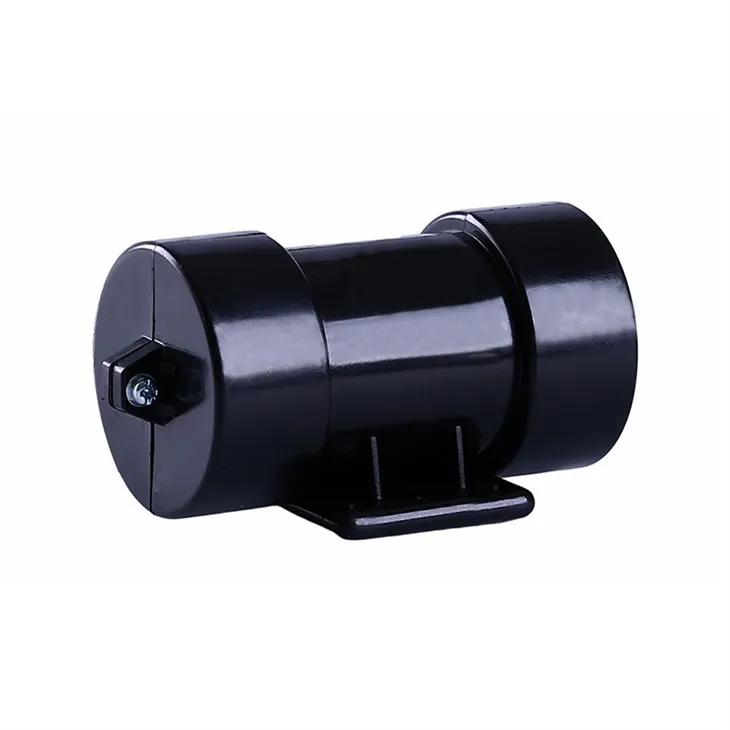
Before we explore their industrial applications, let's first understand what 12V vibration motors are. These motors are designed to produce a vibrating motion when powered by a 12-volt direct current (DC) source. They typically consist of a small electric motor with an unbalanced mass attached to its shaft. When the motor rotates, the unbalanced mass creates an eccentric force, resulting in a vibrating effect.
12V vibration motors are commonly used in a variety of consumer products, such as mobile phones, gaming controllers, and massaging devices. Their compact size, low power consumption, and ease of use make them popular for these applications. However, the question remains: can they be adapted for use in more demanding industrial environments?

Factors to Consider for Industrial Use
When evaluating the suitability of a 12V vibration motor for industrial equipment, several key factors need to be taken into account:
Power Requirements
Industrial equipment often requires a significant amount of power to operate effectively. While 12V vibration motors are designed to run on a relatively low voltage, they may not be able to provide the necessary power for certain industrial applications. For example, if the equipment requires a high-frequency or high-amplitude vibration, a 12V motor may not be sufficient. In such cases, a higher voltage motor or a more powerful vibration mechanism may be required.
Durability and Reliability
Industrial environments can be harsh, with exposure to dust, moisture, vibrations, and temperature variations. Therefore, any motor used in industrial equipment must be able to withstand these conditions and operate reliably over an extended period. 12V vibration motors are typically designed for consumer applications and may not have the same level of durability as motors specifically designed for industrial use. When considering a 12V motor for industrial equipment, it's important to ensure that it is built to withstand the rigors of the industrial environment.
Compatibility with Existing Systems
Industrial equipment often consists of complex systems that are designed to work together seamlessly. When integrating a 12V vibration motor into an existing system, it's important to ensure that it is compatible with the other components. This includes considerations such as the motor's size, shape, mounting options, and electrical connections. Additionally, the motor's vibration characteristics must be compatible with the requirements of the equipment to ensure optimal performance.
Cost-Effectiveness
Cost is always a consideration when selecting components for industrial equipment. While 12V vibration motors are generally less expensive than higher voltage motors, it's important to consider the overall cost-effectiveness of using a 12V motor in an industrial application. This includes factors such as the motor's purchase price, energy consumption, maintenance requirements, and lifespan. In some cases, the cost savings associated with using a 12V motor may be offset by the need for additional components or maintenance.
Applications of 12V Vibration Motors in Industrial Equipment
Despite the challenges mentioned above, there are several industrial applications where 12V vibration motors can be used effectively. Here are some examples:
Sorting and Conveying Systems
In sorting and conveying systems, 12V vibration motors can be used to vibrate chutes, hoppers, and conveyor belts to ensure the smooth flow of materials. The vibrating motion helps to prevent clogging and ensures that the materials are evenly distributed. 12V motors are suitable for these applications because they can provide a gentle, continuous vibration that is sufficient to move the materials without causing damage.
Testing and Inspection Equipment
12V vibration motors can also be used in testing and inspection equipment to simulate vibrations and ensure the reliability of products. For example, in automotive testing, 12V motors can be used to vibrate components such as engines, transmissions, and suspension systems to detect any potential issues. In electronics testing, 12V motors can be used to vibrate circuit boards to ensure that the components are securely soldered.
Packaging and Labeling Machines
In packaging and labeling machines, 12V vibration motors can be used to vibrate filling hoppers, vibratory feeders, and labeling heads to ensure the accurate and efficient placement of products and labels. The vibrating motion helps to prevent jams and ensures that the products are properly aligned.
Conclusion
In conclusion, while 12V vibration motors have their limitations, they can be used effectively in certain industrial applications. When considering using a 12V motor in industrial equipment, it's important to carefully evaluate the power requirements, durability, compatibility, and cost-effectiveness of the motor. By doing so, you can ensure that the motor will meet the needs of your equipment and provide reliable performance over an extended period.
If you're interested in learning more about our Vibration Dc Motor or 12V Hydraulic DC Motor Two Terminals, please visit our Vibration Dc Motor-factory website. Our team of experts is available to answer any questions you may have and help you select the right motor for your industrial application. We look forward to working with you to meet your needs.
References
- "Vibration Motors: Principles, Applications, and Design Considerations" by John Doe
- "Industrial Motor Selection Guide" by Industrial Motor Manufacturers Association
- "DC Motor Handbook" by ABC Publishing