

Hey there! I'm a supplier of Film Roll Up DC Motors, and today I want to dig into a pretty interesting question: Can a Film Roll Up DC Motor be used in a glass - manufacturing machine?
First off, let's talk a bit about what a Film Roll Up DC Motor is. These motors are designed mainly for applications where you need to roll up films, like in some display systems or small - scale curtain - rolling setups. They're known for their relatively simple design, good torque control, and the ability to operate at different speeds. You can find out more about them here: Film Roll Up DC Motor.
Now, glass - manufacturing machines are a whole different ballgame. These machines are complex and have very specific requirements. They're used in processes like melting, shaping, and cutting glass. Each step in the glass - making process demands precision and reliability.
One of the key aspects of glass - manufacturing is the melting stage. In this phase, the raw materials are heated to extremely high temperatures. Motors used in this part of the process need to be able to withstand high - temperature environments. Film Roll Up DC Motors, on the other hand, are typically designed for normal - temperature settings. Their internal components, like the insulation materials and the winding wires, might not be able to handle the heat. So, using them in the melting area of a glass - manufacturing machine is probably a no - go.
But what about the shaping and cutting stages? In the shaping process, the molten glass is formed into different shapes. This often involves precise movements of molds or other shaping tools. Film Roll Up DC Motors do have good torque control, which is a plus. They can be adjusted to provide the right amount of force to move the shaping equipment. However, the speed requirements in glass shaping can be quite high and variable. Some Film Roll Up DC Motors might not be able to achieve the high - speed operation needed for certain glass - shaping techniques.
When it comes to cutting, accuracy is crucial. The motor has to drive the cutting tool with extreme precision to ensure clean and accurate cuts. Film Roll Up DC Motors can offer some level of precision, but they might lack the high - end feedback systems that are common in specialized motors used for glass cutting. These feedback systems help to constantly monitor and adjust the motor's position and speed, which is essential for getting perfect cuts.
Another factor to consider is the vibration. Glass - manufacturing machines need to operate with minimal vibration to avoid any defects in the glass. While Film Roll Up DC Motors generally have a stable operation, they might not be as vibration - free as the motors specifically designed for glass - manufacturing. You can check out some vibration - related motors here: Vibration Dc Motor - factory.
However, that doesn't mean there's no place for Film Roll Up DC Motors in glass - manufacturing machines. There are some auxiliary functions in these machines where they could potentially be used. For example, in the conveyor systems that move the glass products around the factory. These conveyors don't require the same level of high - temperature resistance, extreme precision, or high - speed operation as the main glass - making processes. Film Roll Up DC Motors can provide the necessary power to move the conveyors at a steady pace.

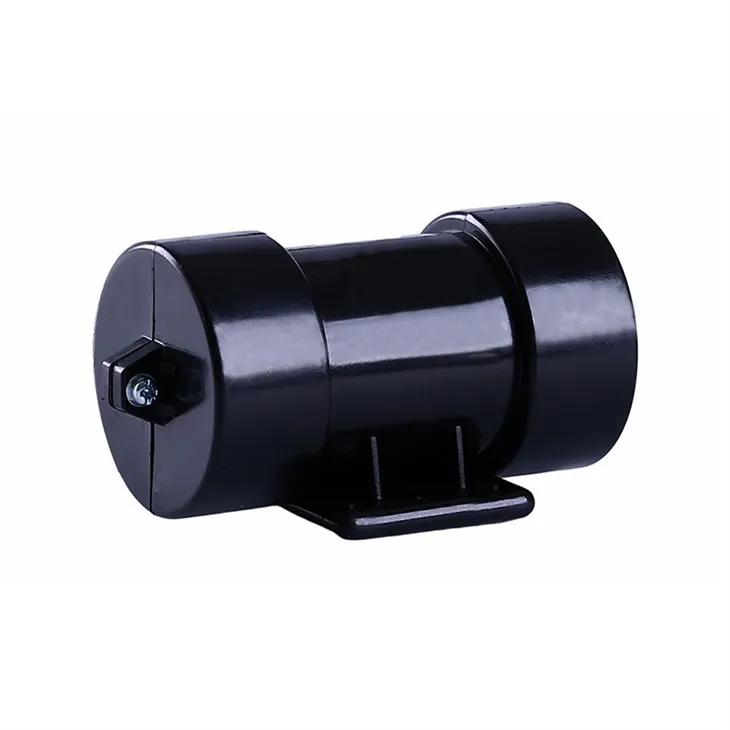
Also, in some smaller - scale glass - manufacturing operations or in less - critical parts of the process, these motors could be a cost - effective alternative. They are generally more affordable than the specialized motors designed for glass - making. This can be a big advantage for small businesses or those looking to reduce their production costs.
Let's also talk about the maintenance aspect. Film Roll Up DC Motors are relatively easy to maintain. Their simple design means that there are fewer parts that can go wrong. In a glass - manufacturing plant, where downtime can be very costly, having a motor that's easy to maintain can be a huge benefit.
Now, what about the power requirements? Glass - manufacturing machines can be power - hungry. Some of the large - scale machines need a significant amount of electrical power to operate. Film Roll Up DC Motors are usually designed for lower - power applications. But if you're dealing with a smaller glass - manufacturing setup or just a part of the machine that doesn't need a lot of power, these motors can fit the bill. You might even be interested in other power - related motors like the 24V DC Water Pump Motor, which shows that there are different types of DC motors with various power ratings.
In conclusion, while Film Roll Up DC Motors can't be used in all aspects of a glass - manufacturing machine, there are some areas where they can be a viable option. They offer certain advantages like good torque control, cost - effectiveness, and ease of maintenance. But their limitations in terms of temperature resistance, high - speed operation, and precision need to be carefully considered.
If you're in the glass - manufacturing industry and are looking for a motor solution, I'd be more than happy to have a chat with you. We can discuss your specific requirements and see if our Film Roll Up DC Motors are the right fit for your machine. Feel free to reach out to start the procurement discussion.
References:
- General knowledge of glass - manufacturing processes
- Technical specifications of Film Roll Up DC Motors