

Hey there! As a supplier of winch motor RPM products, I often get asked this question: "Can I change the RPM of my winch motor?" Well, let's dive right into it and find out.
First off, it's important to understand what RPM means. RPM stands for revolutions per minute, which basically tells you how fast the motor's shaft is spinning. The RPM of a winch motor is a crucial factor because it directly affects the speed and power of your winch. A higher RPM usually means the winch can pull things faster, but it might have less pulling force. On the other hand, a lower RPM gives more pulling power but at a slower speed.
So, can you change the RPM of your winch motor? The short answer is yes, but there are a few things you need to consider.
Methods to Change Winch Motor RPM
1. Using a Gearbox
One of the most common ways to change the RPM of a winch motor is by using a gearbox. A gearbox works by changing the ratio between the input (the motor) and the output (the winch drum). If you want to decrease the RPM and increase the torque, you can use a gearbox with a higher gear ratio. For example, if your motor has an RPM of 1000 and you use a gearbox with a 10:1 ratio, the output RPM will be around 100, but the torque will be much higher.
When it comes to choosing a gearbox, you need to make sure it's compatible with your winch motor. You also need to consider the load you'll be pulling and the speed you need. If you're dealing with heavy loads, a gearbox with a lower output RPM might be the way to go.
2. Adjusting the Voltage
Another way to change the RPM of a winch motor is by adjusting the voltage. In general, the RPM of a DC motor is proportional to the voltage applied to it. So, if you increase the voltage, the RPM will go up, and if you decrease the voltage, the RPM will go down. However, you need to be careful when doing this because most motors are designed to operate within a specific voltage range. If you go too high, you could damage the motor, and if you go too low, the motor might not work properly.
For example, if your winch motor is rated for 12 volts and you increase the voltage to 18 volts, the RPM will increase, but the motor might overheat or burn out. It's always a good idea to consult the motor's manual or a professional before making any voltage adjustments.
3. Using a Variable Frequency Drive (VFD)
A Variable Frequency Drive is a device that can control the speed of an AC motor by changing the frequency of the electrical supply. By adjusting the frequency, you can change the RPM of the motor. VFDs are more commonly used in industrial applications, but they can also be used for winch motors in some cases.
The advantage of using a VFD is that it allows for precise control of the motor's speed. You can easily adjust the RPM to match the specific requirements of your winch operation. However, VFDs can be quite expensive, and they require some technical knowledge to install and operate.
Factors to Consider When Changing RPM
1. Motor Type
Different types of motors have different characteristics when it comes to RPM adjustment. For example, DC motors are generally easier to control than AC motors. DC motors can be adjusted by changing the voltage or using a gearbox, while AC motors often require a VFD for speed control.
If you have a DC Gear Motor, it might be more straightforward to change the RPM using a gearbox or voltage adjustment. On the other hand, if you have an AC motor, you might need to invest in a VFD.
2. Load Capacity
The load you'll be pulling with your winch is an important factor to consider. If you increase the RPM too much, the motor might not have enough torque to pull the load. On the other hand, if you decrease the RPM too much, the winch operation will be very slow. You need to find the right balance between speed and torque based on the load you're dealing with.
For example, if you're using a winch to pull a small boat out of the water, you might be able to increase the RPM a bit to make the process faster. But if you're pulling a heavy vehicle out of a mud pit, you'll probably need a lower RPM and higher torque.
3. Safety
Safety should always be your top priority when changing the RPM of your winch motor. Make sure you follow all the manufacturer's instructions and safety guidelines. If you're not sure how to make the adjustments, it's best to consult a professional.
For example, when using a VFD or making voltage adjustments, there is a risk of electrical shock or motor damage. Always turn off the power before making any changes, and use appropriate safety equipment.
Our Winch Motor RPM Products
As a supplier, we offer a wide range of products that can help you change the RPM of your winch motor. We have high - quality gearboxes that are compatible with different types of winch motors. Our gearboxes are designed to provide reliable and efficient speed reduction or increase, depending on your needs.
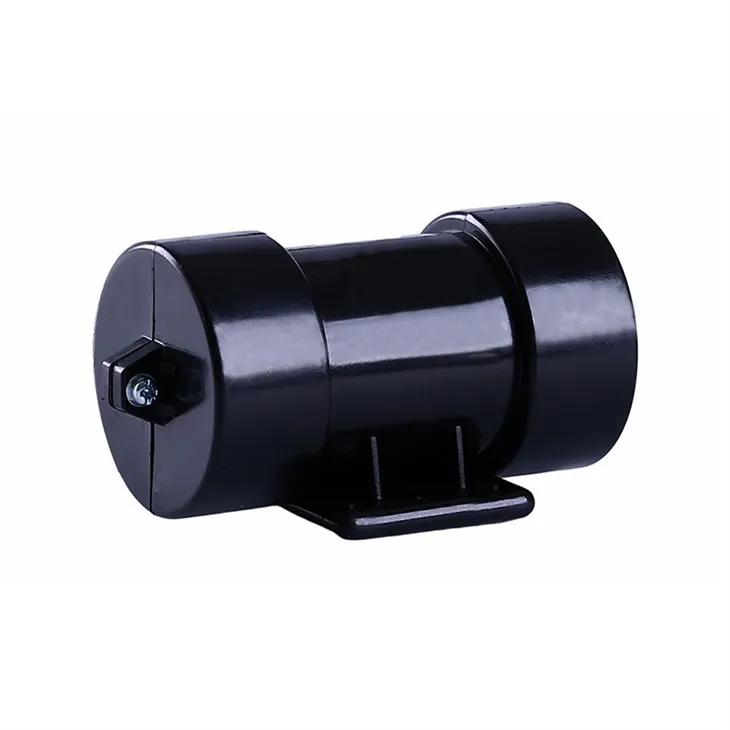

We also have a selection of Vibration Dc Motor products. These motors can be used in various winch applications, and we can help you adjust their RPM to suit your specific requirements. If you're looking for a reliable source of vibration DC motors, you can check out our Vibration Dc Motor - factory.
Contact Us for Your RPM Needs
If you're interested in changing the RPM of your winch motor or need more information about our products, don't hesitate to reach out. We have a team of experts who can answer your questions and help you find the right solution for your winch application. Whether you need a gearbox, a VFD, or just some advice on RPM adjustment, we're here to assist you.
Changing the RPM of your winch motor can be a great way to optimize its performance, but it's important to do it right. By considering the factors we've discussed and using the right products, you can ensure that your winch operates safely and efficiently.
References
- "Electric Motors and Drives: Fundamentals, Types and Applications" by Austin Hughes
- Manufacturer's manuals of various winch motors and related products