

In the realm of industrial and mechanical applications, 12V hydraulic DC motors stand out as crucial components, offering reliable power and precision control. As a trusted supplier of 12V Hydraulic DC Motors, I've witnessed firsthand the diverse ways these motors are utilized and the critical role that load plays in their performance. In this blog post, I'll delve into the intricate relationship between load and the performance of 12V hydraulic DC motors, exploring how different loads can impact various aspects of motor operation.
Understanding 12V Hydraulic DC Motors
Before we dive into the effects of load, let's briefly understand what 12V hydraulic DC motors are. These motors combine the advantages of direct current (DC) power with hydraulic systems, providing high torque and efficient operation at a relatively low voltage. They are commonly used in a wide range of applications, including automotive, marine, and industrial equipment, where precise control and reliable power are essential.

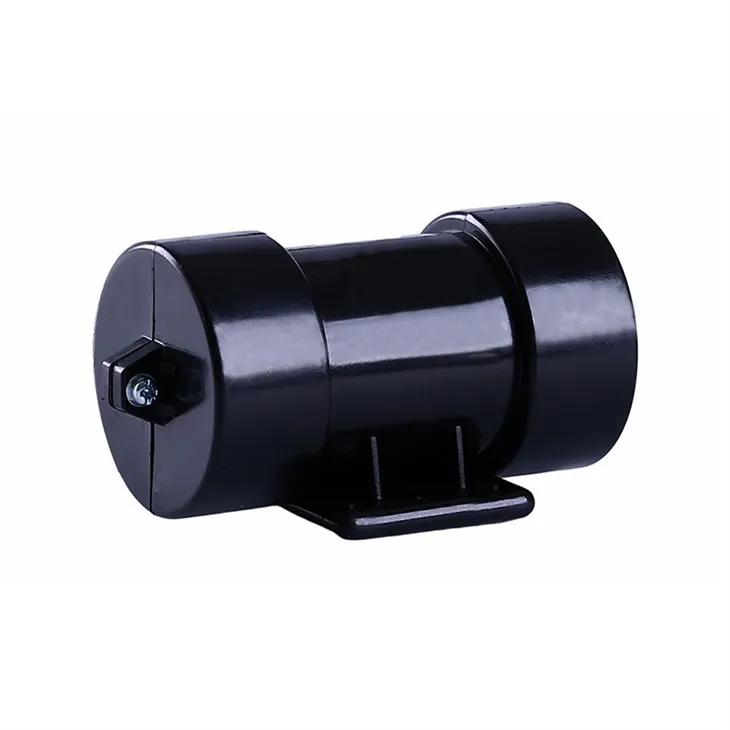
The basic principle behind a 12V hydraulic DC motor involves the conversion of electrical energy into mechanical energy. When a DC voltage is applied to the motor's terminals, an electromagnetic field is created, which interacts with the motor's permanent magnets or electromagnets to produce rotational motion. The hydraulic system, on the other hand, uses fluid pressure to transmit power and control the motor's speed and torque.
The Impact of Load on Motor Performance
The load on a 12V hydraulic DC motor refers to the resistance or force that the motor must overcome to perform its intended task. This can include the weight of the object being moved, the friction in the mechanical system, and any other external forces acting on the motor. The load can have a significant impact on various aspects of motor performance, including speed, torque, efficiency, and temperature.
Speed
One of the most noticeable effects of load on a 12V hydraulic DC motor is its impact on speed. As the load on the motor increases, the motor's speed tends to decrease. This is because the motor must work harder to overcome the increased resistance, which requires more torque. According to the motor's speed-torque characteristic curve, there is an inverse relationship between speed and torque. As the torque increases, the speed decreases, and vice versa.
For example, let's say we have a 12V hydraulic DC motor that is designed to operate at a maximum speed of 3000 RPM under no-load conditions. When a light load is applied, such as a small fan or a conveyor belt, the motor may still be able to maintain a relatively high speed, perhaps around 2500 RPM. However, if a heavy load is applied, such as a large pump or a winch, the motor's speed may drop significantly, perhaps to 1500 RPM or even lower.
Torque
Torque is another critical aspect of motor performance that is affected by load. Torque is the rotational force that the motor can produce, and it is directly related to the motor's ability to overcome resistance and perform work. As the load on the motor increases, the motor must produce more torque to maintain its speed and continue operating.
The relationship between load and torque can be described by the motor's torque-speed characteristic curve. This curve shows how the motor's torque output changes as the speed varies. At low speeds, the motor can produce a relatively high torque, which is useful for starting and accelerating heavy loads. As the speed increases, the motor's torque output decreases, but it can still maintain a certain level of torque to keep the load moving.
For instance, let's consider the same 12V hydraulic DC motor mentioned earlier. Under no-load conditions, the motor may produce a relatively low torque, perhaps around 0.1 Nm. When a light load is applied, the motor may need to produce a slightly higher torque, say 0.2 Nm, to maintain its speed. However, if a heavy load is applied, the motor may need to produce a much higher torque, such as 1 Nm or more, to overcome the resistance and keep the load moving.
Efficiency
Efficiency is an important consideration when it comes to motor performance, as it directly affects the energy consumption and operating costs of the motor. The efficiency of a 12V hydraulic DC motor is defined as the ratio of the output power (mechanical power) to the input power (electrical power). As the load on the motor increases, the motor's efficiency tends to change.
At low loads, the motor may operate at a relatively low efficiency because a significant portion of the input power is used to overcome the motor's internal losses, such as friction and electrical resistance. As the load increases, the motor's efficiency generally improves because the output power increases while the internal losses remain relatively constant. However, if the load becomes too heavy, the motor may operate at a reduced efficiency again because it has to work harder to overcome the increased resistance, which results in higher internal losses.
For example, let's assume that our 12V hydraulic DC motor has an efficiency of 70% under no-load conditions. When a light load is applied, the efficiency may increase to 75% as the motor is able to utilize more of the input power to perform useful work. However, if a very heavy load is applied, the efficiency may drop to 60% or lower as the motor has to work harder and consume more energy to overcome the resistance.
Temperature
The load on a 12V hydraulic DC motor can also have a significant impact on its temperature. As the motor works harder to overcome the load, it generates more heat due to the increased electrical and mechanical losses. If the heat is not dissipated properly, it can cause the motor's temperature to rise, which can have a negative impact on its performance and lifespan.
Excessive heat can cause the motor's insulation to degrade, which can lead to electrical shorts and reduced reliability. It can also cause the motor's bearings and other mechanical components to wear out faster, which can result in increased maintenance and replacement costs. Therefore, it is important to ensure that the motor is properly cooled and that the load is within the motor's rated capacity to prevent overheating.
For instance, if a 12V hydraulic DC motor is continuously operated at a high load without proper cooling, its temperature may rise to 80°C or higher. This can significantly reduce the motor's lifespan and increase the risk of failure. On the other hand, if the motor is operated at a moderate load and is properly cooled, its temperature may remain within a safe range, say 40°C to 60°C, which can ensure reliable operation and a longer lifespan.
Factors Affecting the Load-Motor Performance Relationship
The relationship between load and the performance of a 12V hydraulic DC motor is not always straightforward and can be influenced by several factors. These factors include the motor's design, the type of load, the operating conditions, and the control system.
Motor Design
The design of the 12V hydraulic DC motor can have a significant impact on its performance under different loads. Factors such as the motor's size, the number of poles, the type of winding, and the quality of the materials used can all affect the motor's speed, torque, efficiency, and temperature characteristics.
For example, a motor with a larger size and more poles may be able to produce more torque and operate at a lower speed, which makes it suitable for heavy loads. On the other hand, a motor with a smaller size and fewer poles may be able to operate at a higher speed and produce less torque, which makes it more suitable for light loads. The type of winding can also affect the motor's performance, as different winding configurations can provide different levels of torque and speed.
Type of Load
The type of load that the 12V hydraulic DC motor is driving can also influence its performance. Different types of loads have different characteristics, such as inertia, friction, and duty cycle, which can affect the motor's speed, torque, efficiency, and temperature requirements.
For instance, a load with high inertia, such as a large flywheel or a heavy conveyor belt, requires a motor with high starting torque to overcome the initial resistance and accelerate the load. A load with high friction, such as a pump or a compressor, requires a motor with high continuous torque to maintain the load's motion against the frictional forces. The duty cycle of the load, which refers to the ratio of the operating time to the total time, can also affect the motor's performance, as a continuous-duty load requires a motor that can operate continuously without overheating.
Operating Conditions
The operating conditions, such as the ambient temperature, humidity, and altitude, can also have an impact on the performance of a 12V hydraulic DC motor. High ambient temperatures can reduce the motor's efficiency and increase its temperature, which can lead to premature failure. High humidity can cause corrosion and electrical problems, while high altitude can reduce the motor's cooling efficiency due to the lower air density.
Therefore, it is important to consider the operating conditions when selecting a 12V hydraulic DC motor and to ensure that the motor is suitable for the specific environment in which it will be used. For example, if the motor is to be used in a hot and humid environment, it may be necessary to select a motor with a higher temperature rating and better corrosion resistance.
Control System
The control system used to operate the 12V hydraulic DC motor can also affect its performance under different loads. A well-designed control system can optimize the motor's operation by adjusting the voltage, current, and speed according to the load requirements. This can improve the motor's efficiency, reduce its energy consumption, and extend its lifespan.
For example, a variable speed drive (VSD) can be used to control the speed of the motor based on the load. When the load is light, the VSD can reduce the motor's speed, which can save energy and reduce wear and tear. When the load is heavy, the VSD can increase the motor's speed and torque to ensure that the load is properly driven. Similarly, a motor controller can be used to protect the motor from overloading, overheating, and other electrical faults, which can improve its reliability and safety.
Choosing the Right Motor for the Load
Based on the above discussion, it is clear that the load has a significant impact on the performance of a 12V hydraulic DC motor. Therefore, it is crucial to choose the right motor for the specific load requirements to ensure optimal performance, efficiency, and reliability.
When selecting a 12V hydraulic DC motor, the following factors should be considered:
- Load Requirements: Determine the maximum torque, speed, and power requirements of the load. This will help you select a motor with the appropriate rated torque, speed, and power to ensure that it can handle the load effectively.
- Operating Conditions: Consider the ambient temperature, humidity, altitude, and other operating conditions in which the motor will be used. Select a motor that is suitable for the specific environment to ensure reliable operation and long lifespan.
- Control System: Evaluate the control system requirements of the application. If precise speed and torque control are required, consider using a motor with a variable speed drive or a motor controller.
- Efficiency: Look for a motor with high efficiency to reduce energy consumption and operating costs. Consider the motor's efficiency at different loads to ensure that it operates efficiently throughout its operating range.
- Reliability: Choose a motor from a reputable manufacturer that offers high-quality products and reliable customer support. Consider the motor's warranty and service history to ensure that it will be reliable and easy to maintain.
As a supplier of 12V Hydraulic DC Motors, we offer a wide range of motors with different specifications and features to meet the diverse needs of our customers. Our motors are designed and manufactured to the highest quality standards, ensuring reliable performance and long lifespan. Whether you need a motor for a light load application or a heavy load application, we can provide you with the right solution.
If you are interested in our 12V Hydraulic DC Motor Two Terminals-factory, or other related products such as Massage DC Motor and Vibration Dc Motor, please feel free to contact us for more information and to discuss your specific requirements. We are committed to providing you with the best products and services to help you achieve your goals.
References
- Electric Motors and Drives: Fundamentals, Types, and Applications, Fourth Edition by Austin Hughes and Bill Drury
- Handbook of Electric Motors, Third Edition by Irving L. Kosow
- Electric Motor Repair, Fourth Edition by Terrell Croft and Wilford Summers