

Hey there! As a supplier of DC motors, I've seen firsthand how load inertia can throw a wrench into the smooth operation of these motors. In this blog, I'll break down what load inertia is, how it affects DC motor performance, and what you can do to manage it.
Let's start with the basics. Load inertia is all about an object's resistance to changes in its rotational speed. Think of it like trying to push a heavy wheel. The heavier the wheel, the harder it is to get it spinning, and once it's moving, the harder it is to stop. In the world of DC motors, the load attached to the motor shaft has its own inertia, and this can have a big impact on how the motor performs.
One of the most obvious effects of high load inertia is on the motor's acceleration and deceleration. When you've got a high - inertia load, the motor has to work a lot harder to get it up to speed. It's like trying to start a racecar with a semi - trailer attached. The motor has to generate more torque to overcome the inertia of the load and start it rotating. This means that during acceleration, the motor may experience higher current draw. Higher current draw can lead to overheating, which is never good for the motor's lifespan. If the motor is constantly pushing against a high - inertia load during acceleration, it can wear out faster and may even fail prematurely.
On the flip side, deceleration can also be a challenge. A high - inertia load wants to keep spinning, and the motor has to apply a braking torque to slow it down. If the motor isn't designed to handle this, it may struggle to decelerate the load quickly. This can be a problem in applications where precise stopping is required, like in robotic arms or conveyor systems.
Another aspect of performance affected by load inertia is speed regulation. DC motors are often used in applications where a constant speed is crucial. But when you have a high - inertia load, it can be difficult for the motor to maintain a steady speed. Small changes in the load, like a sudden increase in friction or a change in the weight being carried, can cause the motor speed to fluctuate. The motor has to constantly adjust its output to compensate for these changes, and a high - inertia load makes these adjustments more difficult.
Let's talk about some real - world examples. Take our Motors For Intelligent Furniture 61S - 2E. In intelligent furniture applications, smooth and precise movement is key. If the load inertia is too high, the motor may not be able to move the furniture components smoothly. You might notice jerky movements or delays in response when you try to adjust the position of a reclining chair or a height - adjustable desk. This can really affect the user experience and make the furniture seem less high - tech.
Our Motors Solar Fan 71S - 36 is another great example. In solar fan applications, the motor needs to start quickly and run at a consistent speed to keep the air flowing. A high - inertia load on the fan blades can slow down the start - up time. And if the motor can't maintain a steady speed, the fan won't be as effective at cooling. This can be a big deal, especially in hot climates where every bit of airflow counts.
The Linear Actuator Motors 80S - 11 are used in applications where linear motion is required, like in medical equipment or industrial machinery. High load inertia can cause the actuator to move slowly or with inconsistent force. This can lead to inaccurate positioning, which is a major problem in applications where precision is critical.

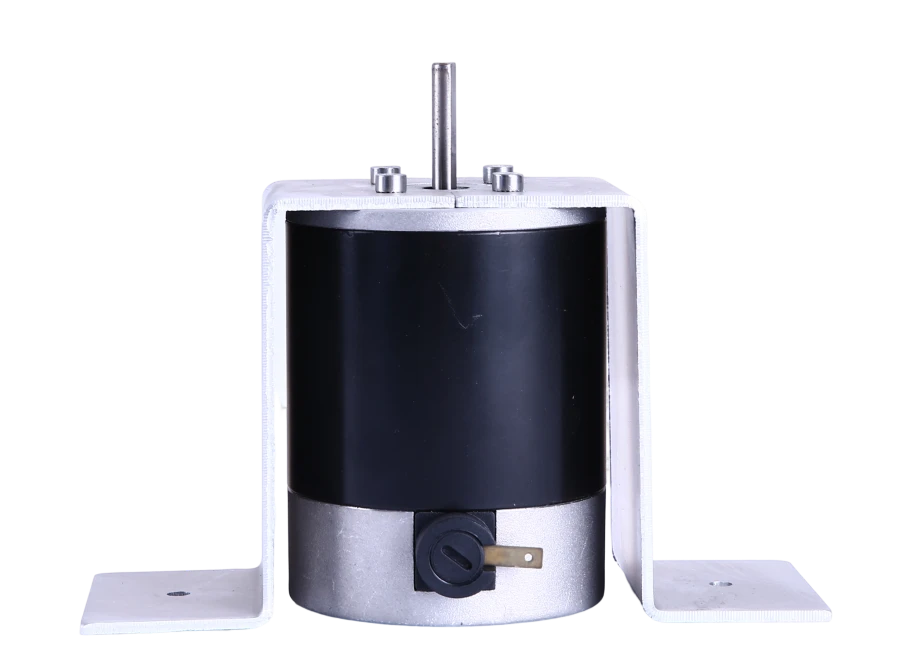
So, what can you do to manage load inertia? First, it's important to choose the right motor for the job. Make sure the motor has enough torque to handle the inertia of the load. You can calculate the load inertia and then select a motor with a torque rating that can comfortably overcome it. Some motors are specifically designed to handle high - inertia loads, so look for those.
Another option is to use a gearbox. A gearbox can reduce the effective load inertia seen by the motor. By changing the gear ratio, you can make it easier for the motor to accelerate and decelerate the load. It's like changing gears in a car to make it easier to start and stop.
Proper motor control is also crucial. Using a speed controller or a servo drive can help the motor maintain a steady speed and handle changes in load inertia more effectively. These controllers can adjust the motor's output based on the actual load conditions, ensuring smooth operation.
In conclusion, load inertia is a critical factor that can significantly impact the performance of DC motors. Whether it's affecting acceleration, deceleration, speed regulation, or overall functionality, it's something that needs to be carefully considered in any DC motor application. As a DC motor supplier, we're here to help you choose the right motor and provide solutions to manage load inertia. If you're in the market for a DC motor for your project, whether it's for intelligent furniture, solar fans, or linear actuators, we'd love to have a chat with you. Reach out to us to discuss your specific needs and let's work together to find the perfect motor solution for you.
References
- "Electric Motors and Drives: Fundamentals, Types and Applications" by Austin Hughes and Bill Drury
- "DC Motors: Principles, Design, and Applications" by various industry experts