

Hey there! As a supplier of 12v vibration motors, I get a ton of questions about adjusting the vibration pattern of these motors. Today, I'm gonna share some tips and tricks on how you can do just that.
First off, let's understand why you might want to adjust the vibration pattern in the first place. Different applications require different levels and types of vibration. For example, in a massage device, you may want a gentle, pulsating vibration. On the other hand, if it's used in a warning system, a strong and continuous vibration might be the way to go.
Understanding the Basics of 12v Vibration Motors
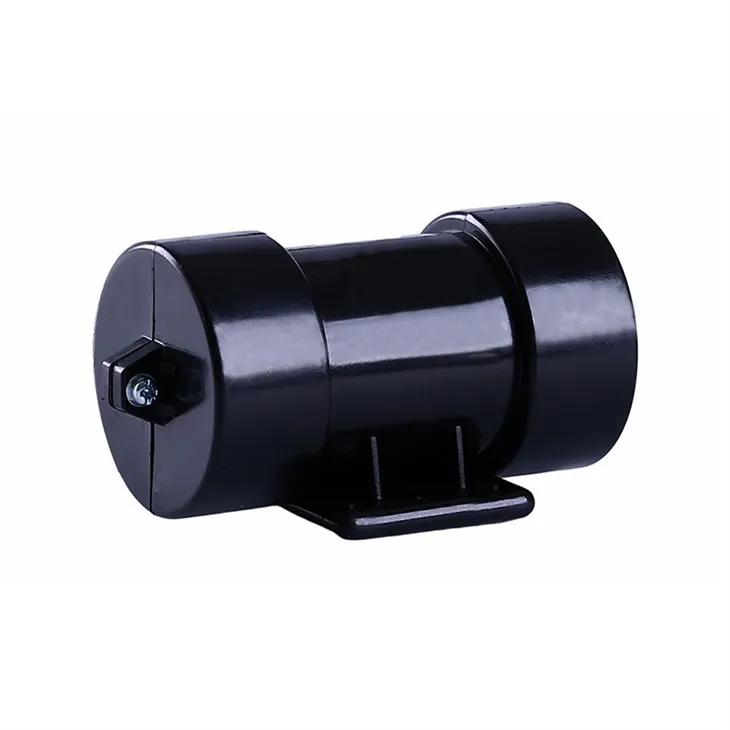
12v vibration motors work by creating an imbalance in their rotating parts. When the motor spins, this imbalance causes it to vibrate. The speed at which the motor spins affects the intensity and frequency of the vibration.

Factors Affecting Vibration Pattern
- Voltage: The voltage supplied to the motor directly impacts its speed. A higher voltage usually means a faster spin and a stronger vibration. If you want to adjust the vibration, changing the voltage can be a great starting point. However, you need to be careful not to exceed the 12v rating of the motor, as this can damage it.
- Weight Distribution: The way the weight is distributed around the motor's rotating part also plays a crucial role. A more uneven weight distribution will result in a stronger vibration. Some motors come with adjustable weights that you can modify to change the vibration pattern.
How to Adjust the Vibration Pattern
Using a Potentiometer
One of the simplest ways to adjust the vibration pattern is by using a potentiometer. A potentiometer is a variable resistor that allows you to control the voltage supplied to the motor. By turning the knob on the potentiometer, you can increase or decrease the voltage, which in turn changes the speed of the motor and the vibration pattern.
Here's a step-by-step guide on how to do it:
- First, disconnect the power supply to the motor to avoid any electrical shock.
- Connect one terminal of the potentiometer to the positive terminal of the power supply.
- Connect the other terminal of the potentiometer to the positive terminal of the motor.
- Connect the negative terminal of the power supply to the negative terminal of the motor.
- Once the connections are made, you can turn the power supply back on.
- Slowly turn the knob on the potentiometer to adjust the voltage and change the vibration pattern.
Pulse Width Modulation (PWM)
PWM is a more advanced method of controlling the vibration pattern. It works by rapidly turning the power to the motor on and off at different intervals. By changing the ratio of the on-time to the off-time (duty cycle), you can control the average voltage supplied to the motor and thus adjust the vibration pattern.
Many microcontrollers, such as Arduino, support PWM. Here's how you can use it:
- Connect the motor to the microcontroller using a transistor or a motor driver, as the microcontroller may not be able to supply enough current to the motor directly.
- Write a program in the microcontroller's programming language (e.g., C++ for Arduino) to generate PWM signals.
- Adjust the duty cycle in the program to change the vibration pattern.
Changing the Weight Distribution
As mentioned earlier, the weight distribution around the motor's rotating part affects the vibration pattern. You can try adding or removing weights from the motor to change the imbalance and thus the vibration. Some motors have a small metal piece attached to the shaft, which you can adjust or replace.
Troubleshooting Tips
If you're having trouble adjusting the vibration pattern, here are some things to check:
- Check the Connections: Make sure all the connections are secure and there are no loose wires. A loose connection can cause intermittent vibrations or no vibration at all.
- Inspect the Motor: Check if the motor is damaged or worn out. If the motor has a broken shaft or a damaged bearing, it may not vibrate properly.
- Verify the Voltage: Use a multimeter to check the voltage supplied to the motor. If the voltage is too low or too high, it can affect the vibration pattern.
Finding the Right Motor for Your Needs
If you're still not satisfied with the vibration pattern, you may want to consider a different type of motor. As a 12v vibration motor supplier, I can offer you a wide range of options. For example, if you need a more powerful vibration, you might be interested in our 12V Hydraulic DC Motor Two Terminals-factory. Or, if you're looking for a factory-direct source, our Vibration Dc Motor-factory could be a great choice. We also have 24V Hydraulic DC Motor for applications that require a higher voltage.
Contact Us for More Information
If you have any questions or need further assistance with adjusting the vibration pattern of our 12v vibration motors, feel free to reach out. We're here to help you find the perfect solution for your application. Whether you're a small business owner or a large-scale manufacturer, we can provide you with the high-quality motors and support you need.
References
- "Electric Motors: Principles, Applications, and Control" by P.C. Sen
- "Pulse Width Modulation: Basics and Applications" by various authors