

When it comes to selecting the right vibration DC motor for your specific application, a thorough comparison of different models is essential. As a leading Vibration Dc Motor-factory supplier, I understand the intricacies involved in this process. In this blog, I will guide you through the key factors to consider when comparing various vibration DC motors, ensuring you make an informed decision that meets your requirements.

1. Power and Voltage Requirements
One of the primary considerations when comparing vibration DC motors is their power and voltage requirements. Different applications demand different levels of power to achieve the desired vibration intensity. Motors with higher power ratings generally produce stronger vibrations, but they also consume more energy. It's crucial to match the motor's power output with your application's needs to avoid over - or under - powering.
Voltage is another critical factor. Vibration DC motors are available in a range of voltage options, typically from a few volts to several tens of volts. The voltage of the motor should be compatible with your power source. For example, if you are using a battery - powered device, you need to select a motor that operates within the voltage range provided by the battery. Using a motor with an incompatible voltage can lead to inefficient operation, overheating, and even damage to the motor.
2. Vibration Frequency and Amplitude
The vibration frequency and amplitude of a motor are key performance indicators. The frequency refers to the number of vibrations per second, usually measured in Hertz (Hz). Different applications require different vibration frequencies. For instance, in some massage devices, a lower frequency (around 10 - 30 Hz) may be more suitable for a gentle massage, while in industrial applications such as vibrating conveyors, a higher frequency (up to 100 Hz or more) might be needed for efficient material movement.
Amplitude, on the other hand, represents the magnitude of the vibration. A larger amplitude means stronger vibrations. When comparing motors, you need to consider both frequency and amplitude to ensure they align with your application's requirements. Some motors allow for adjustable frequency and amplitude, providing more flexibility in different scenarios.
3. Size and Form Factor
The physical size and form factor of the vibration DC motor are important, especially when space is limited. Motors come in various shapes and sizes, from small coin - sized motors suitable for mobile devices to larger cylindrical or rectangular motors used in industrial equipment.
When choosing a motor, you need to ensure that it can fit into the available space in your device. Additionally, the mounting options of the motor should be compatible with your application. Some motors come with pre - drilled holes or mounting brackets, making them easier to install.

4. Durability and Reliability
In any application, the durability and reliability of the motor are crucial. Vibration DC motors are often subjected to continuous or intermittent vibrations, which can put stress on the motor components over time. High - quality motors are designed with robust materials and advanced manufacturing techniques to withstand these stresses.
Look for motors with a long service life and a low failure rate. Check the motor's specifications for information on its operating temperature range, humidity tolerance, and protection against dust and moisture. Motors with good durability will require less maintenance and replacement, reducing overall costs in the long run.
5. Noise Level
The noise level produced by the motor is an important consideration, especially in applications where quiet operation is required. Some vibration DC motors can generate significant noise during operation, which can be a nuisance in consumer products such as mobile phones or wearable devices.
When comparing motors, look for those that are designed to operate quietly. Manufacturers may use special damping materials or optimized motor designs to reduce noise. You can also refer to the motor's noise specifications, which are usually provided in decibels (dB).
6. Cost - effectiveness
Cost is always a factor when making a purchasing decision. While it may be tempting to choose the cheapest motor available, it's important to consider the overall cost - effectiveness. A low - cost motor may have lower performance, shorter durability, or higher energy consumption, which can lead to higher long - term costs.
Compare the prices of different motors while taking into account their performance, features, and reliability. Sometimes, investing in a slightly more expensive motor can result in better overall value in the long run.
7. Compatibility with Other Components
In many applications, the vibration DC motor needs to work in conjunction with other components such as controllers, sensors, and power supplies. When comparing motors, consider their compatibility with these other components.
For example, if you are using a specific type of motor controller, make sure the motor can be easily integrated with it. Compatibility issues can lead to inefficient operation, reduced performance, or even system failures.
Comparison with Other Types of DC Motors
It's also useful to compare vibration DC motors with other types of DC motors, such as PMDC Motor-factory and DC Gear Motor.
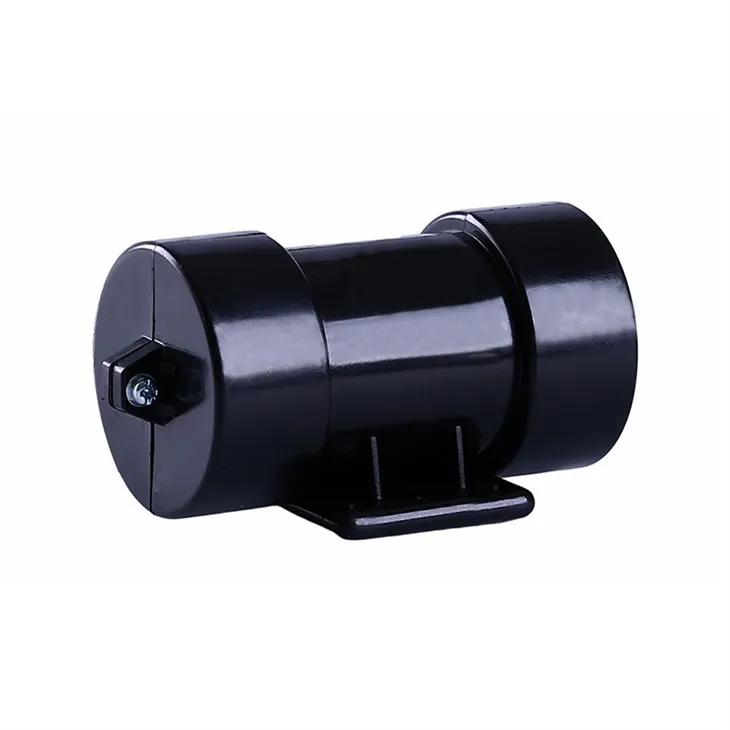
PMDC (Permanent Magnet DC) motors use permanent magnets to create the magnetic field, which generally results in higher efficiency and better performance compared to some vibration DC motors. However, vibration DC motors are specifically designed for generating vibrations, which is their primary advantage in applications where vibration is required.

DC gear motors, on the other hand, have a gearbox attached to the motor, which can provide higher torque at lower speeds. While they may not be directly comparable to vibration DC motors in terms of their main function, in some applications where both torque and vibration are needed, a combination of these motors or a careful comparison may be necessary.
Conclusion
Comparing different vibration DC motors requires a comprehensive evaluation of multiple factors, including power and voltage requirements, vibration frequency and amplitude, size and form factor, durability and reliability, noise level, cost - effectiveness, and compatibility with other components. By carefully considering these factors, you can select the most suitable motor for your application.
As a Vibration Dc Motor-factory supplier, we are committed to providing high - quality vibration DC motors that meet a wide range of customer needs. If you are interested in learning more about our products or have specific requirements for your application, we invite you to contact us for further discussion and procurement negotiation. We look forward to working with you to find the perfect vibration DC motor solution.
References
- Motor Technology Handbook, Third Edition. This comprehensive handbook provides in - depth information on various types of motors, including vibration DC motors, their design, performance, and applications.
- IEEE Transactions on Industrial Electronics. A leading academic journal that publishes research papers on the latest developments in motor technology, which can be a valuable source for understanding the technical aspects of vibration DC motors.
- Manufacturer's product catalogs. The catalogs of different motor manufacturers offer detailed specifications and performance data of their vibration DC motors, which are useful for direct comparison.