

Connecting a 12V vibration motor might seem like a daunting task, especially if you're new to electronics. However, with the right guidance and a bit of know - how, it can be a straightforward process. As a supplier of 12V vibration motors, I'm here to walk you through the steps to connect your motor successfully.
Understanding the Basics of a 12V Vibration Motor
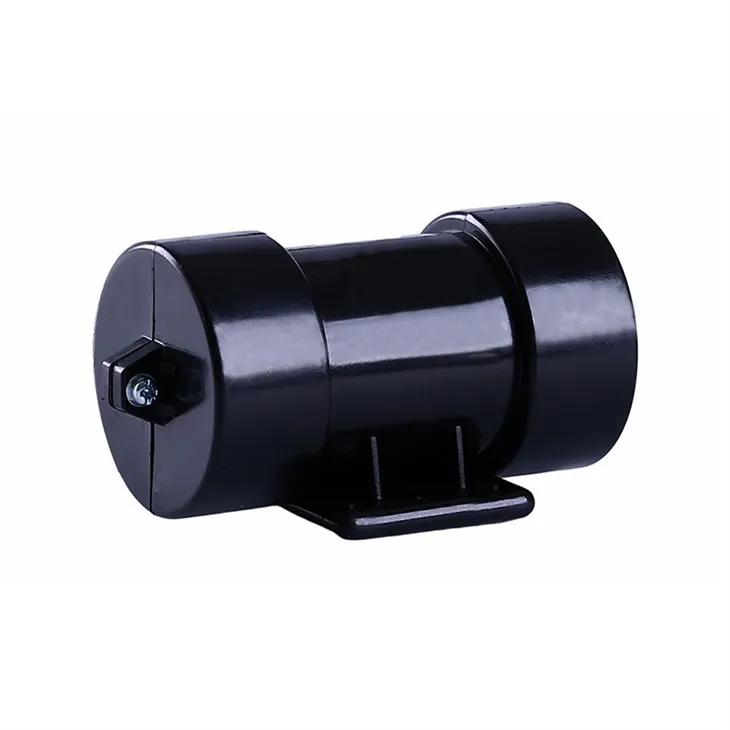
Before we dive into the connection process, it's essential to understand what a 12V vibration motor is and how it works. A 12V vibration motor is a type of DC motor that is designed to produce a vibrating motion. It typically consists of an eccentric mass attached to the motor's shaft. When the motor rotates, the eccentric mass creates an imbalance, resulting in a vibrating effect.
These motors are widely used in various applications, such as mobile phones for the vibration alert function, massage devices, and even in some automotive applications. They are relatively small in size, energy - efficient, and can be easily integrated into different systems.
Tools and Materials You'll Need
To connect a 12V vibration motor, you'll need the following tools and materials:
- 12V Vibration Motor: Of course, you'll need the motor itself. If you're looking for high - quality 12V vibration motors, you can check out our [Vibration Dc Motor - factory](/dc - motor/dc - brushed - motor/vibration - dc - motor - factory.html) for a wide range of options.
- Power Supply: A 12V power source is required to run the motor. This can be a 12V battery pack, a regulated power supply, or any other source that can provide a stable 12V output.
- Wires: You'll need some wires to connect the motor to the power supply. Make sure the wires are of appropriate gauge to handle the current drawn by the motor.
- Soldering Iron and Solder (Optional): If you want to make a more permanent connection, soldering the wires to the motor terminals is a good option.
- Multimeter: A multimeter can be used to check the voltage of the power supply and to ensure that the motor is receiving the correct voltage.
Step - by - Step Connection Process
Step 1: Identify the Motor Terminals
Most 12V vibration motors have two terminals, usually marked as positive (+) and negative (-). The positive terminal is typically connected to the positive side of the power supply, and the negative terminal is connected to the negative side. In some cases, the terminals may not be clearly marked. You can use a multimeter to determine the polarity. Set the multimeter to the DC voltage mode and connect the probes to the motor terminals. If the multimeter shows a positive voltage reading, the red probe is connected to the positive terminal, and the black probe is connected to the negative terminal.
Step 2: Prepare the Wires
Cut two pieces of wire to an appropriate length. Strip about 1/4 inch of insulation from the ends of each wire. If you're using soldering, tin the exposed ends of the wires by applying a small amount of solder to them.
Step 3: Connect the Wires to the Motor
Connect one end of each wire to the motor terminals. If you're using soldering, heat the terminal with the soldering iron and apply a small amount of solder to create a strong connection. If you're not soldering, you can use wire connectors or simply twist the wires around the terminals and secure them with electrical tape.
Step 4: Connect the Wires to the Power Supply
Connect the other ends of the wires to the 12V power supply. Make sure to connect the positive wire to the positive terminal of the power supply and the negative wire to the negative terminal. If you're using a battery pack, you can use battery clips to make the connection.
Step 5: Test the Motor
Once the connections are made, turn on the power supply. The motor should start vibrating. If the motor doesn't start, check the connections to make sure they are secure and that the power supply is providing the correct voltage. You can use a multimeter to measure the voltage across the motor terminals.
Additional Considerations
Current Rating
It's important to ensure that the power supply can provide enough current to run the motor. Check the motor's datasheet for the current rating. If the power supply cannot provide enough current, the motor may not run properly or may even overheat.

Switching
If you want to control the operation of the motor, you can add a switch to the circuit. Connect the switch in series with the positive wire between the power supply and the motor. This will allow you to turn the motor on and off as needed.
Protection
To protect the motor and the power supply from damage, you can add a fuse to the circuit. A fuse will break the circuit if the current exceeds a certain value, preventing overheating and potential damage.
Related Products
In addition to 12V vibration motors, we also offer other types of DC motors. For example, our [Film Roll Up DC Motor](/dc - motor/dc - brushed - motor/film - roll - up - dc - motor.html) is suitable for applications that require a motor to roll up films. Our [Push Rod DC Motor](/dc - motor/dc - brushed - motor/push - rod - dc - motor.html) is designed for applications where linear motion is needed.
Contact Us for Purchase and Negotiation
If you're interested in purchasing our 12V vibration motors or any of our other DC motors, we invite you to contact us for further discussion. We have a team of experts who can help you choose the right motor for your application and provide you with competitive pricing and excellent customer service. Whether you need a small quantity for a prototype or a large order for mass production, we're here to meet your needs.
References
- Electronics Fundamentals: Circuits, Devices, and Applications by Thomas L. Floyd
- DC Motors: Principles, Types, and Applications by John H. K. Kember