

Determining the maximum load capacity of a Permanent Magnet DC (PMDC) motor is crucial for ensuring its efficient and safe operation. As a PMDC motor supplier, I've dealt with numerous customers who are often confused about this aspect. In this blog, I'll share some insights on how to figure out the maximum load capacity of a PMDC motor.
Understanding the Basics of PMDC Motors
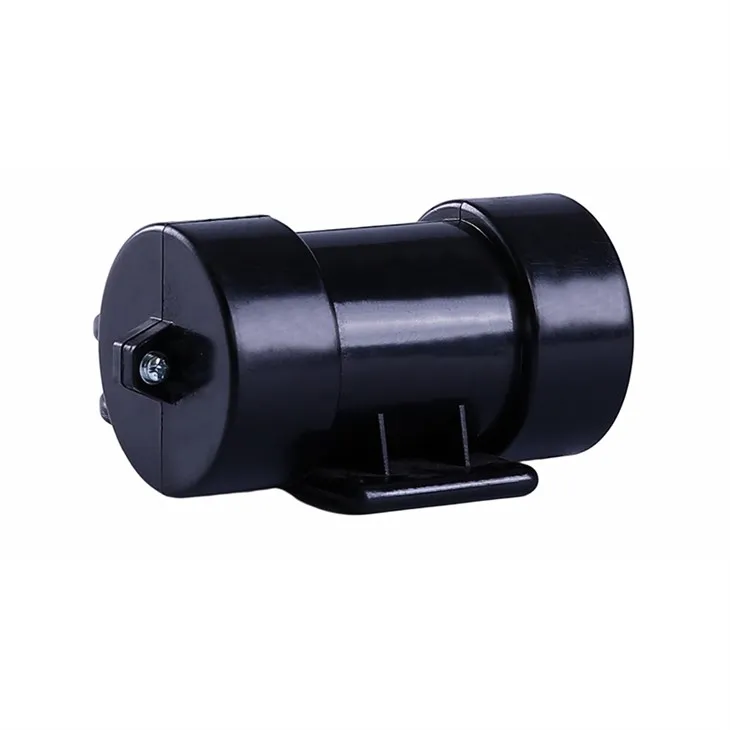
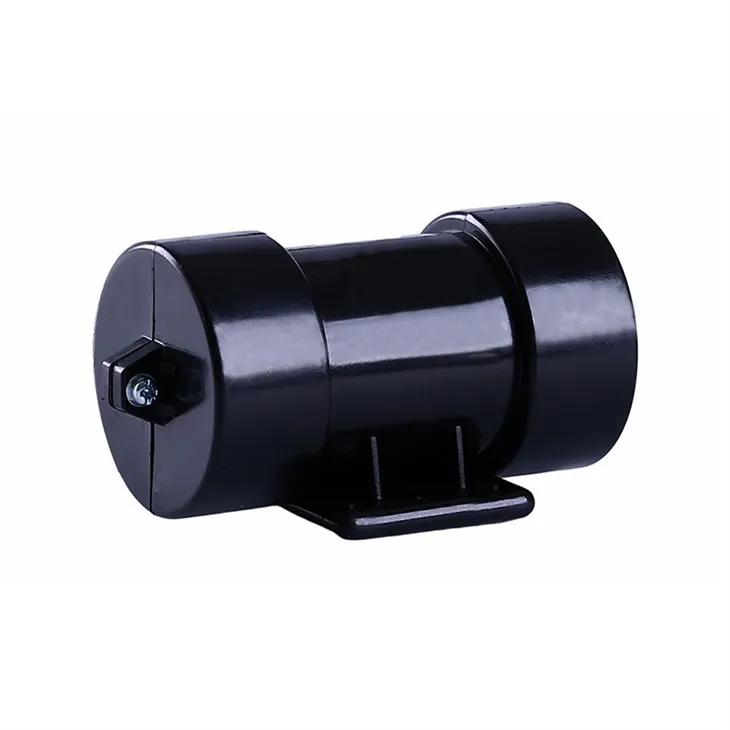
Before we dive into determining the load capacity, let's quickly go over what a PMDC motor is. A PMDC motor uses permanent magnets to create the magnetic field instead of an electromagnet. These motors are widely used in various applications due to their simplicity, compact size, and high efficiency. For example, you can find them in Push Rod DC Motor applications, Vibration Dc Motor setups, and even in 24V DC Water Pump Motor systems.
Factors Affecting Load Capacity
Several factors come into play when determining the maximum load capacity of a PMDC motor.
1. Voltage and Current
The voltage supplied to the motor and the current it draws are fundamental factors. The power input to the motor is calculated by multiplying the voltage (V) and the current (I), i.e., P = V × I. The motor's performance is directly related to this power input. A higher voltage generally allows the motor to generate more torque, but it also increases the current draw. If the current exceeds the motor's rated value for an extended period, it can cause overheating and damage the motor.
2. Torque
Torque is the rotational force that the motor can produce. It's measured in Newton - meters (N·m). The maximum load capacity of a motor is closely related to its torque output. There are two types of torque to consider: starting torque and running torque. Starting torque is the torque required to start the motor from a standstill, and it's usually higher than the running torque. If the load requires more torque than the motor can provide during startup, the motor may not start at all or may stall.
3. Speed
The speed of the motor also affects its load - carrying capacity. As the load on the motor increases, its speed tends to decrease. This is described by the motor's speed - torque curve. A motor's rated speed is specified under a certain load condition. If the load exceeds the motor's capacity, the speed will drop significantly, and the motor may not be able to operate at its optimal level.
4. Efficiency
Motor efficiency is the ratio of the output power to the input power. A more efficient motor can convert a higher percentage of the input electrical energy into mechanical energy. When determining the load capacity, it's important to consider the motor's efficiency at different load levels. An inefficient motor may overheat quickly under heavy loads, even if it has the theoretical torque capacity.
Methods to Determine Maximum Load Capacity
1. Manufacturer's Specifications
The first and most straightforward way is to refer to the manufacturer's specifications. These specs usually include the rated voltage, current, torque, speed, and power of the motor. The rated values give you a good starting point for understanding the motor's capabilities. For example, if the manufacturer states that a motor has a rated torque of 0.5 N·m, you know that it's designed to operate continuously at or below this torque level.
2. Testing
If you need more accurate information or if the application has unique requirements, testing the motor is a great option. You can set up a test bench where you gradually increase the load on the motor while monitoring its performance. Measure the voltage, current, speed, and torque at different load levels. Plotting these values on a graph can help you visualize the motor's behavior and determine its maximum load capacity.
3. Calculation
You can also calculate the load capacity based on the motor's electrical and mechanical characteristics. For example, if you know the motor's power rating (P) and the operating speed (ω), you can calculate the torque (T) using the formula T = P/ω. However, this calculation assumes ideal conditions, and in real - world applications, you need to account for factors like friction, losses, and inefficiencies.
Real - World Considerations
In real - world applications, there are additional factors to keep in mind.
1. Duty Cycle
The duty cycle refers to the ratio of the time the motor is operating under load to the total time. If a motor has a high - duty cycle, it means it's running for a large portion of the time. Motors designed for continuous operation can handle a different load capacity compared to those designed for intermittent use. For example, a motor used in a conveyor belt system that runs 24/7 will have different load requirements than a motor used in a small hobby project that operates for only a few minutes at a time.
2. Environmental Conditions
The environment in which the motor operates can also affect its load capacity. High temperatures, humidity, dust, and vibration can all impact the motor's performance. For instance, in a hot environment, the motor may overheat more quickly, reducing its load - carrying capacity. You may need to derate the motor, i.e., reduce its load capacity, to account for these environmental factors.
Importance of Correct Load Capacity Determination
Determining the correct load capacity of a PMDC motor is crucial for several reasons.
1. Reliability
If the load exceeds the motor's capacity, it can lead to premature failure. Overheating, excessive wear on the bearings, and damage to the windings are common problems that can occur when a motor is overloaded. By ensuring that the load is within the motor's capacity, you can extend its lifespan and reduce the need for frequent replacements.
2. Efficiency
An appropriately loaded motor operates more efficiently. When a motor is under - loaded, it may not be using its full potential, and energy is wasted. On the other hand, an over - loaded motor consumes more energy than necessary and may not be able to perform the task effectively.
3. Safety
Overloading a motor can also pose safety risks. A motor that overheats can be a fire hazard, especially in environments where flammable materials are present. Additionally, a motor that stalls or fails unexpectedly can cause damage to the equipment it's driving and may even endanger operators.
Conclusion
Determining the maximum load capacity of a PMDC motor is a complex but essential task. By considering factors like voltage, current, torque, speed, efficiency, and real - world conditions, you can ensure that the motor operates safely and efficiently. As a PMDC motor supplier, I'm here to help you make the right choice for your application. If you're unsure about the load capacity requirements for your project or need advice on selecting the right motor, don't hesitate to reach out. We can have a detailed discussion about your needs and find the best solution for you. Whether it's a Push Rod DC Motor, Vibration Dc Motor, or 24V DC Water Pump Motor, we've got you covered. Let's start the conversation and get your project up and running smoothly.
References
- "Electric Motors and Drives: Fundamentals, Types and Applications" by Austin Hughes
- "Permanent Magnet DC Motors: Technology and Applications" by T. J. E. Miller