

As a supplier of Massage DC Motors, I understand the critical importance of speed regulation in these motors. A well - regulated speed can significantly enhance the massage experience, providing users with a more customized and effective massage. In this blog, I will share some key strategies on how to improve the speed regulation of a Massage DC Motor.
Understanding the Basics of Massage DC Motors
Before delving into speed regulation methods, it's essential to have a basic understanding of Massage DC Motors. These motors are typically used in various massage devices, such as massage chairs, handheld massagers, and foot massagers. They convert electrical energy into mechanical energy, which drives the massage mechanisms.
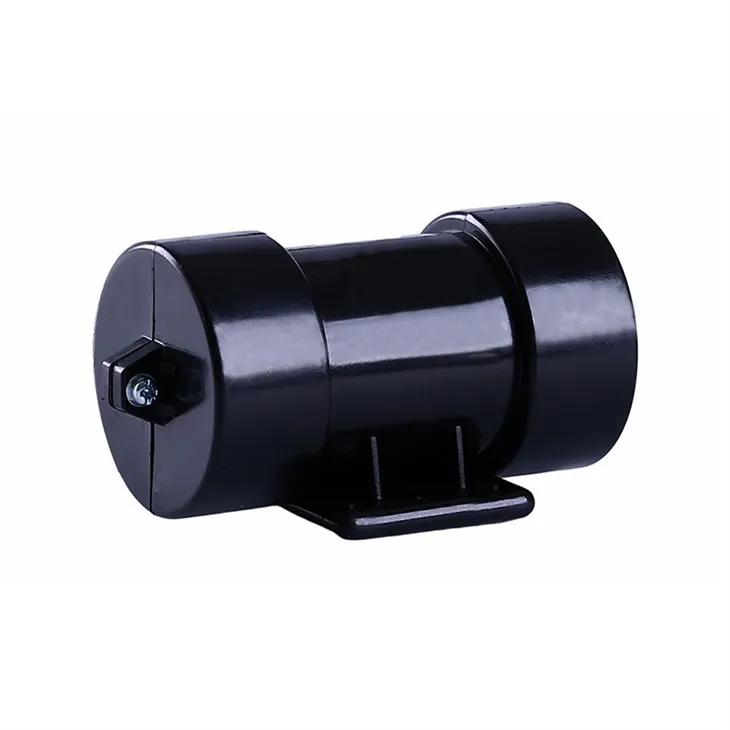
There are different types of DC motors used in massage applications. For example, the 24V Hydraulic DC Motor is known for its high torque and smooth operation, making it suitable for heavy - duty massage equipment. The PMDC Motor, or Permanent Magnet DC Motor, offers good efficiency and controllability, which is often used in smaller and more portable massage devices. And the Vibration Dc Motor - factory specializes in producing motors that generate vibrations, a common feature in many massage products.
Factors Affecting Speed Regulation
Several factors can influence the speed regulation of a Massage DC Motor. One of the primary factors is the power supply. Fluctuations in the input voltage can cause the motor speed to vary. For instance, if the voltage drops, the motor may slow down, and if the voltage increases, the motor may speed up. Another factor is the load on the motor. When the massage mechanism encounters more resistance, such as when pressing harder on the body, the motor has to work harder, which can also affect its speed.
The internal resistance of the motor itself also plays a role. A motor with higher internal resistance may experience more significant speed changes under different loads. Additionally, the commutator and brushes in a brushed DC motor can wear out over time, which can lead to poor electrical contact and affect speed regulation.
Strategies to Improve Speed Regulation
1. Use a Stable Power Supply
A stable power supply is crucial for maintaining a consistent motor speed. Using a regulated power supply can help minimize voltage fluctuations. For example, a switching power supply with good voltage regulation capabilities can provide a constant output voltage, regardless of small variations in the input voltage. This ensures that the motor receives a stable electrical input, resulting in more consistent speed.
2. Employ Speed Control Circuits
There are various speed control circuits that can be used to regulate the speed of a Massage DC Motor. One common method is Pulse Width Modulation (PWM). PWM works by varying the width of the pulses in a pulse train to control the average voltage applied to the motor. By adjusting the duty cycle of the PWM signal, the speed of the motor can be precisely controlled. For example, a higher duty cycle means a higher average voltage and a faster motor speed, while a lower duty cycle results in a slower speed.
Another type of speed control circuit is the closed - loop control system. In a closed - loop system, a feedback mechanism, such as a tachometer or an encoder, is used to measure the actual speed of the motor. The measured speed is then compared with the desired speed, and the control circuit adjusts the voltage or current supplied to the motor accordingly. This ensures that the motor speed remains close to the set value, even under changing loads.

3. Optimize Motor Design
The design of the motor itself can also have a significant impact on speed regulation. For example, reducing the internal resistance of the motor can improve its efficiency and speed stability. This can be achieved by using high - quality materials for the windings and improving the manufacturing process to ensure uniform winding distribution.
In addition, proper lubrication of the motor's moving parts, such as the bearings, can reduce friction and improve the motor's performance. This helps the motor to operate more smoothly and maintain a more consistent speed.
4. Regular Maintenance
Regular maintenance is essential for ensuring the long - term performance of the motor and its speed regulation. This includes cleaning the motor to remove dust and debris, which can affect the electrical and mechanical components. Checking and replacing worn - out brushes in a brushed DC motor is also crucial, as worn brushes can cause poor electrical contact and speed fluctuations.
Benefits of Improved Speed Regulation
Improving the speed regulation of a Massage DC Motor offers several benefits. Firstly, it enhances the user experience. A motor with better speed regulation can provide a more consistent and comfortable massage, as the intensity and rhythm of the massage remain stable. This is especially important for users who rely on massage devices for pain relief or relaxation.
Secondly, it increases the durability of the motor. When the motor operates at a more consistent speed, it experiences less stress and wear, which can extend its lifespan. This reduces the need for frequent motor replacements, saving both time and money for the end - users and manufacturers.
Conclusion
In conclusion, improving the speed regulation of a Massage DC Motor is a multi - faceted task that involves understanding the motor's characteristics, addressing the factors that affect speed, and implementing appropriate strategies. By using a stable power supply, employing speed control circuits, optimizing motor design, and performing regular maintenance, we can achieve better speed regulation and enhance the overall performance of the massage devices.
As a supplier of Massage DC Motors, I am committed to providing high - quality motors with excellent speed regulation capabilities. If you are interested in purchasing our motors or have any questions about motor speed regulation, please feel free to contact us for further discussion and negotiation. We look forward to working with you to meet your specific needs.
References
- Chapman, A. J. (2012). Electric Motors and Drives: Fundamentals, Types and Applications. Elsevier.
- Fitzgerald, A. E., Kingsley, C., & Umans, S. D. (2003). Electric Machinery. McGraw - Hill.
- Krause, P. C., Wasynczuk, O., & Sudhoff, S. D. (2013). Analysis of Electric Machinery and Drive Systems. Wiley.