

Hey there! As a supplier of DC motors for massage, I often get asked about how to match a DC motor for massage with a power supply. It's a crucial topic because getting this right can make or break the performance of your massage device. So, let's dive right in and explore this together.
First off, let's understand why matching the motor and power supply is so important. A DC motor converts electrical energy into mechanical energy, which is what creates the massage action. If the power supply doesn't match the motor's requirements, you might end up with a motor that doesn't work efficiently, overheats, or even gets damaged. That's definitely not what you want when you're trying to provide a great massage experience.
Understanding DC Motors for Massage
There are different types of DC motors used in massage devices. One common type is the Vibration Dc Motor. These motors are designed to produce a vibrating motion, which is great for providing a relaxing and therapeutic massage. They're often used in handheld massagers, neck and shoulder massagers, and even some foot massagers.
Another type is the 12V Hydraulic DC Motor Two Terminals-factory. These motors are used in more complex massage devices that require a stronger and more controlled motion. They're commonly found in full - body massage chairs and some high - end massage beds.
Key Factors to Consider When Matching a Motor with a Power Supply
Voltage
The voltage of the power supply must match the voltage rating of the DC motor. Most DC motors for massage are designed to operate at a specific voltage, such as 3V, 5V, 12V, or 24V. If you supply a voltage that's too low, the motor might not have enough power to operate properly. On the other hand, if you supply a voltage that's too high, it can cause the motor to overheat and potentially burn out.
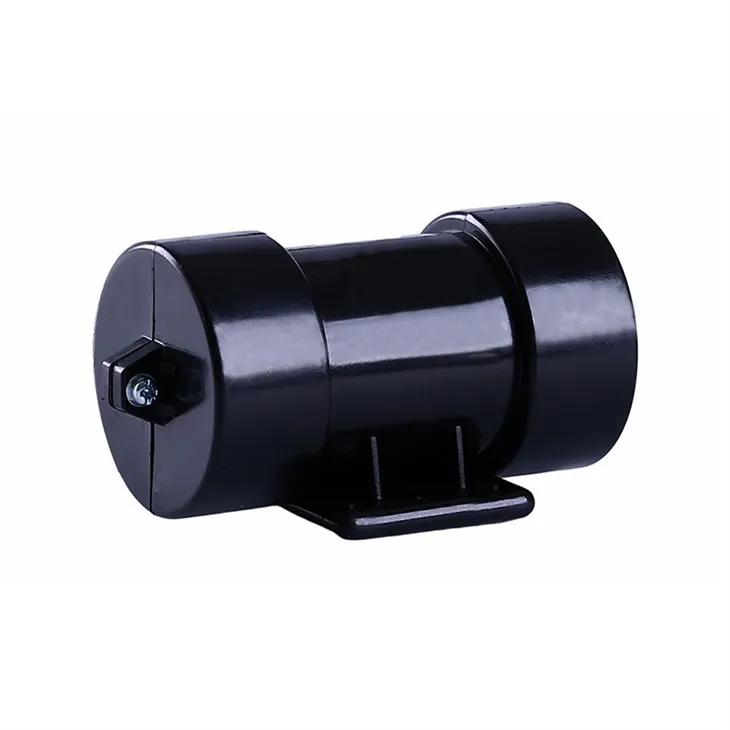

For example, if you have a Vibration Dc Motor-factory that's rated for 12V, you need to use a power supply that provides a stable 12V output. You can use a battery pack if you want a portable solution, or a wall - adapter power supply for non - portable devices.
Current
Current is another important factor. The power supply should be able to provide enough current to meet the motor's requirements. The current rating of a motor is usually specified in amperes (A). A motor that requires more power will need a higher current.
When choosing a power supply, make sure its maximum current output is equal to or greater than the motor's rated current. If the power supply can't provide enough current, the motor might stall or not run at its full speed.
Power Rating
The power rating of a motor is the product of its voltage and current (P = V x I). The power supply should have a power rating that can support the motor's power requirements. For instance, if a motor has a voltage rating of 12V and a current rating of 0.5A, its power rating is 12V x 0.5A = 6W. So, you need a power supply that can provide at least 6W of power.
Polarity
DC motors are polarity - sensitive. That means you need to connect the positive and negative terminals of the motor correctly to the corresponding terminals of the power supply. If you reverse the polarity, the motor might run in the opposite direction or not run at all. Make sure to check the motor's wiring diagram or markings to ensure proper connection.
Types of Power Supplies for DC Motors
Battery - Powered
Battery - powered solutions are great for portable massage devices. You can use different types of batteries, such as AA, AAA, lithium - ion, or rechargeable batteries. The advantage of using batteries is that they provide mobility, so you can use the massage device anywhere. However, you need to consider the battery life and the cost of replacing or recharging the batteries.
Wall - Adapter Power Supplies
Wall - adapter power supplies are commonly used for non - portable massage devices. They're connected to the electrical outlet and provide a stable power source. They're usually more reliable and can provide a consistent voltage and current output. However, they limit the mobility of the device as it needs to be near an electrical outlet.
Testing and Troubleshooting
Once you've matched the motor with the power supply, it's important to test the setup. Before you connect the motor to the power supply, double - check all the connections to make sure they're secure and the polarity is correct.
When you turn on the power, observe the motor's operation. If the motor doesn't start, check the power supply to make sure it's working properly. You can use a multimeter to measure the voltage and current output of the power supply. If the motor runs but makes strange noises or vibrates excessively, it could be a sign of a problem with the motor or the power supply.
If you encounter any issues, don't hesitate to seek professional help or contact the motor supplier. As a DC motor for massage supplier, we have a team of experts who can assist you with troubleshooting and finding the right solutions.
Conclusion
Matching a DC motor for massage with a power supply is not as complicated as it might seem. By considering factors like voltage, current, power rating, and polarity, you can ensure that your massage device operates efficiently and safely. Whether you're using a Vibration Dc Motor or a 12V Hydraulic DC Motor Two Terminals-factory, getting the power supply right is crucial.
If you're in the market for high - quality DC motors for massage and need help with power supply matching, don't hesitate to reach out. We're here to provide you with the best products and support. Contact us today to start a discussion about your specific requirements.
References
- "DC Motors: Fundamentals and Applications" - A technical guide on DC motors.
- Manufacturer's specifications and datasheets for DC motors and power supplies.