

DC gear motors are widely used in various industries due to their compact size, high torque output, and controllability. As a DC gear motor supplier, we understand the importance of optimizing the performance of these motors to meet the diverse needs of our customers. In this blog post, we will discuss several key strategies to enhance the performance of DC gear motors.
1. Selecting the Right Motor and Gearbox
The first step in optimizing the performance of a DC gear motor is to choose the appropriate motor and gearbox combination. The motor should have the right power rating, voltage, and speed characteristics to match the application requirements. For example, if you need a high-torque application, a motor with a lower speed and higher torque rating would be more suitable.
When selecting a gearbox, consider the gear ratio, efficiency, and backlash. A higher gear ratio can increase the torque output but may also reduce the speed. The efficiency of the gearbox affects the overall power consumption of the system. Low backlash is crucial for applications that require precise positioning.
We offer a wide range of DC gear motors, including 12V Hydraulic DC Motor-factory, 24V DC Winch Motor, and Vibration Dc Motor. Our technical team can help you select the most suitable motor and gearbox for your specific application.
2. Proper Installation and Mounting
Proper installation and mounting of the DC gear motor are essential for its optimal performance. Ensure that the motor is mounted securely to prevent vibration and misalignment. Vibration can cause premature wear of the motor components and reduce its efficiency. Misalignment can lead to increased stress on the motor shaft and bearings, resulting in reduced lifespan.
Use appropriate mounting hardware and follow the manufacturer's installation instructions. Make sure that the motor is properly aligned with the load to minimize mechanical losses. Additionally, provide adequate ventilation to prevent overheating, which can damage the motor windings and reduce its performance.
3. Lubrication and Maintenance
Regular lubrication is crucial for the smooth operation of the gearbox in a DC gear motor. Lubrication reduces friction between the gears, which in turn reduces wear and tear and improves efficiency. Use the recommended lubricant for your gearbox and follow the manufacturer's guidelines for lubrication intervals.
In addition to lubrication, regular maintenance is necessary to keep the motor in good condition. Inspect the motor and gearbox for any signs of wear, damage, or contamination. Check the electrical connections for tightness and cleanliness. Replace any worn or damaged components promptly to prevent further damage to the motor.
4. Voltage and Current Management
Proper voltage and current management are essential for optimizing the performance of a DC gear motor. Operating the motor at the correct voltage ensures that it runs at its designed speed and torque. Overvoltage can cause the motor to overheat and may damage the windings, while undervoltage can result in reduced torque and speed.
Monitor the current drawn by the motor during operation. Excessive current can indicate a problem with the motor or the load. If the current is too high, it may be necessary to check for mechanical issues, such as a jammed gear or a misaligned load.
5. Control Systems and Feedback
Using a suitable control system can significantly improve the performance of a DC gear motor. A control system allows you to adjust the speed, torque, and direction of the motor according to the application requirements. There are several types of control systems available, including open-loop and closed-loop control.
Open-loop control systems provide a fixed input to the motor without any feedback. They are simple and cost-effective but may not provide precise control. Closed-loop control systems, on the other hand, use feedback sensors to measure the motor's speed, position, or torque and adjust the input accordingly. This allows for more precise control and better performance.
For example, a PID (Proportional-Integral-Derivative) controller can be used to adjust the motor's speed based on the difference between the desired speed and the actual speed. This helps to maintain a constant speed even under varying load conditions.
6. Thermal Management
Thermal management is an important aspect of optimizing the performance of a DC gear motor. Excessive heat can reduce the efficiency of the motor, damage the insulation of the windings, and shorten the lifespan of the motor. To prevent overheating, it is important to provide adequate ventilation and cooling.
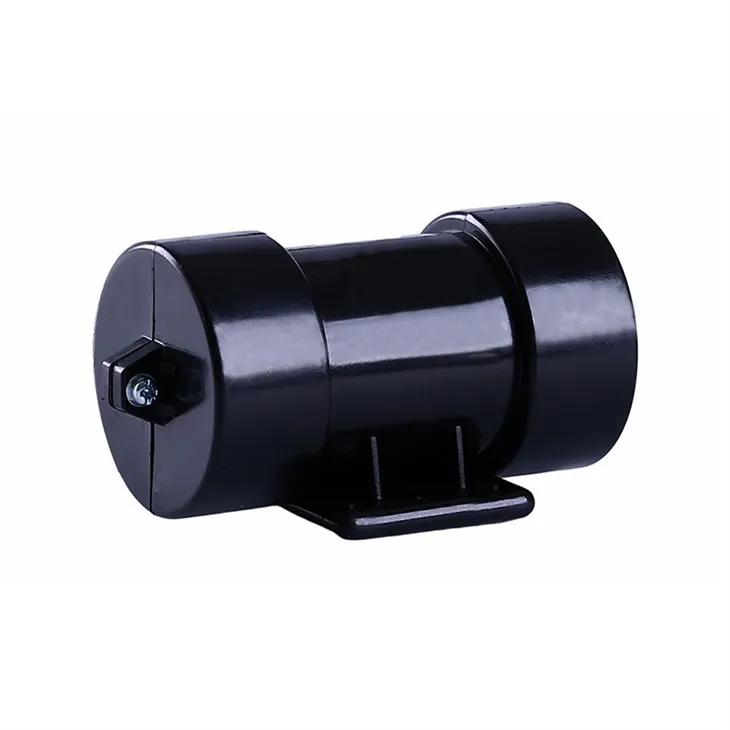

Some motors are equipped with built-in cooling fans or heat sinks to dissipate heat. In addition, you can use external cooling devices, such as blowers or liquid cooling systems, for applications that generate a large amount of heat. Make sure that the cooling system is properly sized and installed to ensure effective heat dissipation.
7. Load Matching
Matching the load to the motor's capabilities is crucial for optimal performance. If the load is too heavy for the motor, the motor may overheat and stall. On the other hand, if the load is too light, the motor may not operate at its maximum efficiency.
Before selecting a motor, calculate the required torque and power based on the load characteristics. Consider factors such as the type of load (constant or variable), the speed requirements, and the duty cycle. Our technical team can assist you in determining the appropriate motor for your load.
8. Environmental Considerations
The environment in which the DC gear motor operates can also affect its performance. For example, in dusty or dirty environments, the motor may be prone to contamination, which can damage the bearings and gears. In humid environments, corrosion may occur, which can also reduce the lifespan of the motor.
To protect the motor from environmental factors, use appropriate enclosures and seals. For dusty environments, a dustproof enclosure can prevent dust from entering the motor. In humid environments, a waterproof enclosure can protect the motor from moisture.
Conclusion
Optimizing the performance of a DC gear motor requires a comprehensive approach that includes selecting the right motor and gearbox, proper installation and mounting, lubrication and maintenance, voltage and current management, control systems and feedback, thermal management, load matching, and environmental considerations.
As a DC gear motor supplier, we are committed to providing our customers with high-quality motors and technical support to help them achieve optimal performance. If you have any questions or need assistance in selecting or optimizing a DC gear motor for your application, please feel free to contact us for a procurement negotiation. We look forward to working with you to meet your specific needs.
References
- Electric Motors and Drives: Fundamentals, Types, and Applications by Austin Hughes and Bill Drury
- Handbook of Electric Motors by Irving L. Kosow