

As a supplier of Film Roll Up DC Motors, I understand the critical role these motors play in various applications. Corrosion can significantly impact the performance and lifespan of these motors, leading to costly replacements and disruptions in operations. In this blog, I will share some effective strategies on how to prevent the corrosion of a Film Roll Up DC Motor.
Understanding the Causes of Corrosion in Film Roll Up DC Motors
Before delving into prevention methods, it's essential to understand what causes corrosion in Film Roll Up DC Motors. Corrosion is primarily a chemical reaction between the metal components of the motor and the surrounding environment. Several factors can contribute to this reaction:

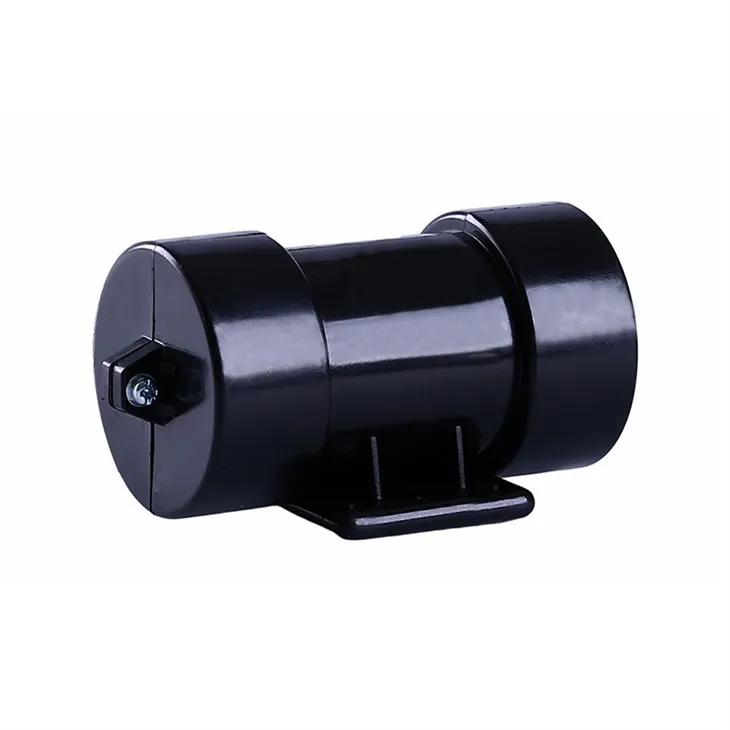
- Moisture: Water is one of the most common causes of corrosion. When moisture comes into contact with the metal parts of the motor, it can initiate a rusting process. This is especially true in humid environments or when the motor is exposed to water splashes.
- Chemicals: Exposure to chemicals such as acids, alkalis, and salts can accelerate the corrosion process. In industrial settings, motors may come into contact with various chemicals during manufacturing or cleaning processes.
- Temperature Fluctuations: Extreme temperature changes can cause condensation inside the motor, leading to moisture buildup and subsequent corrosion.
Preventive Measures
1. Choose the Right Materials
The selection of materials for the motor's construction is crucial in preventing corrosion. Opt for corrosion-resistant metals such as stainless steel or aluminum for the motor's housing and other exposed parts. These metals have a natural oxide layer that protects them from rust and corrosion. Additionally, using high-quality insulation materials can prevent moisture from reaching the internal components of the motor.
2. Proper Sealing
Ensure that the motor is properly sealed to prevent moisture and chemicals from entering. Use gaskets and seals made of rubber or other waterproof materials to create a tight seal around the motor's openings. This includes the shaft seals, terminal box seals, and any other access points. Regularly inspect these seals for signs of wear or damage and replace them as needed.
3. Coating and Painting
Applying a protective coating or paint to the motor's exterior can provide an additional layer of protection against corrosion. There are various types of coatings available, such as epoxy, polyurethane, and zinc-rich paints. These coatings can resist moisture, chemicals, and abrasion, extending the motor's lifespan. Make sure to follow the manufacturer's instructions when applying the coating to ensure proper adhesion and coverage.
4. Control the Environment
If possible, control the environment in which the motor operates. Keep the motor in a dry, clean, and well-ventilated area. Use dehumidifiers to reduce humidity levels in the air, especially in areas with high moisture content. Avoid exposing the motor to direct sunlight or extreme temperatures, as this can cause damage to the insulation and other components.
5. Regular Maintenance
Regular maintenance is essential for preventing corrosion in Film Roll Up DC Motors. Schedule routine inspections to check for signs of corrosion, such as rust spots, discoloration, or pitting. Clean the motor regularly to remove dirt, dust, and other contaminants that can contribute to corrosion. Use a soft brush or compressed air to clean the motor's exterior, and avoid using harsh chemicals that can damage the protective coating.
6. Lubrication
Proper lubrication is crucial for the smooth operation of the motor and can also help prevent corrosion. Use high-quality lubricants that are resistant to moisture and oxidation. Apply the lubricant to the motor's bearings, gears, and other moving parts according to the manufacturer's recommendations. Regularly check the lubricant levels and replace the lubricant as needed.
Additional Considerations
1. Monitoring and Testing
Implement a monitoring and testing program to detect corrosion early. Use sensors to measure moisture levels, temperature, and other environmental factors inside the motor. Regularly perform electrical tests to check for any signs of insulation breakdown or other electrical problems. By detecting corrosion early, you can take corrective actions before it causes significant damage to the motor.
2. Training and Education
Provide training and education to your employees on the importance of preventing corrosion in Film Roll Up DC Motors. Teach them how to identify signs of corrosion, perform regular maintenance tasks, and follow proper handling procedures. By empowering your employees with the knowledge and skills to prevent corrosion, you can reduce the risk of motor failure and extend the lifespan of your equipment.
3. Partnering with a Reliable Supplier
As a Film Roll Up DC Motor supplier, I understand the importance of providing high-quality products and excellent customer service. When choosing a supplier, look for a company that has a proven track record of producing reliable and corrosion-resistant motors. A reputable supplier will also offer technical support, warranty options, and after-sales service to ensure that your motors operate smoothly and efficiently.
Conclusion
Preventing the corrosion of a Film Roll Up DC Motor is essential for ensuring its long-term performance and reliability. By following the strategies outlined in this blog, you can protect your motors from the damaging effects of corrosion and extend their lifespan. Remember to choose the right materials, properly seal the motor, apply a protective coating, control the environment, perform regular maintenance, and monitor the motor's condition. If you have any questions or need further assistance, please feel free to contact us. We are here to help you keep your Film Roll Up DC Motors running smoothly and efficiently.
If you are interested in purchasing Film Roll Up DC Motors or other types of motors such as Massage DC Motor, Vibration Dc Motor-factory, or 12V DC Winch Motor, please don't hesitate to contact us for more information and to discuss your specific requirements. We look forward to partnering with you to meet your motor needs.
References
- "Corrosion Prevention and Control in Electrical Equipment" by the Institute of Electrical and Electronics Engineers (IEEE)
- "Motor Maintenance and Troubleshooting" by the American Society of Mechanical Engineers (ASME)
- "Materials Science and Engineering: An Introduction" by William D. Callister Jr. and David G. Rethwisch