

As a supplier of 12V DC hydraulic motors, I often receive inquiries from customers about motor maintenance and repair. One common issue that arises is the need to replace the bearings of a 12V DC hydraulic motor. In this blog post, I will guide you through the process of replacing the bearings in a 12V DC hydraulic motor, providing you with a step-by-step approach to ensure a successful replacement.
Understanding the Importance of Bearings in a 12V DC Hydraulic Motor
Bearings play a crucial role in the operation of a 12V DC hydraulic motor. They support the rotating shaft, reduce friction, and ensure smooth and efficient operation. Over time, bearings can wear out due to factors such as high temperatures, heavy loads, and contamination. When bearings start to fail, they can cause increased noise, vibration, and eventually lead to motor failure. Therefore, it is essential to replace worn-out bearings promptly to prevent further damage to the motor.
Tools and Materials Required
Before you begin the bearing replacement process, gather the following tools and materials:
- Socket set
- Wrench set
- Bearing puller
- Hammer
- Screwdriver
- Clean rags
- Lubricant
- New bearings (make sure they are the correct size and type for your motor)
Step 1: Safety First
Before working on any electrical equipment, it is crucial to ensure your safety. Disconnect the power supply to the motor to prevent any risk of electric shock. Additionally, wear appropriate safety gear, such as gloves and safety glasses, to protect yourself from any potential hazards.
Step 2: Remove the Motor from the Equipment
If the motor is installed in a piece of equipment, you will need to remove it first. Use the appropriate tools to disconnect any electrical connections and mounting bolts. Carefully lift the motor out of the equipment and place it on a clean, stable surface.
Step 3: Disassemble the Motor
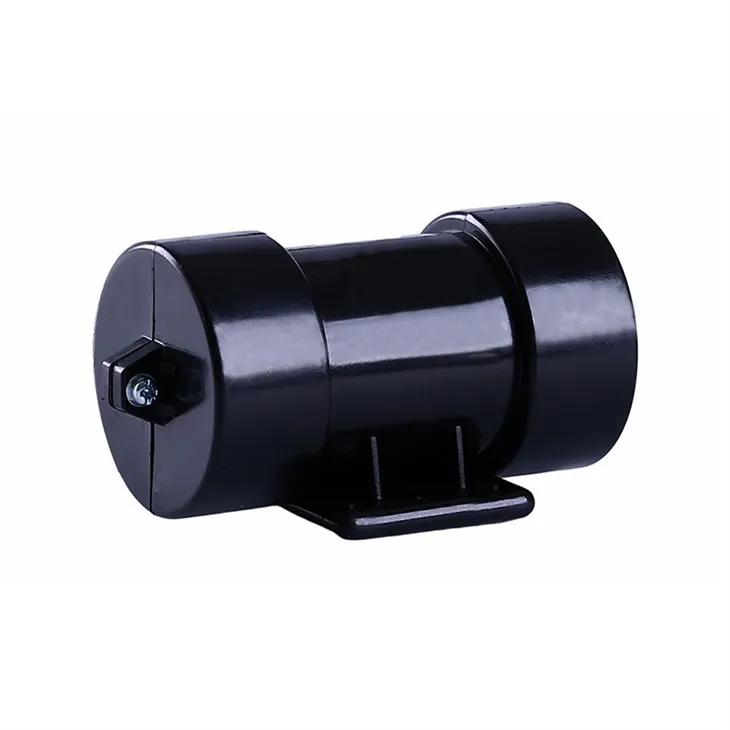
Once the motor is removed, you can start disassembling it to access the bearings. Begin by removing the motor housing or cover using a screwdriver or socket set. Take note of the location and orientation of any components as you remove them, as you will need to reassemble them correctly later.

Step 4: Locate the Bearings
After removing the motor housing, locate the bearings. They are typically located at each end of the motor shaft. The bearings may be held in place by retaining rings or snap rings. Use a bearing puller or a suitable tool to remove the retaining rings.
Step 5: Remove the Old Bearings
Once the retaining rings are removed, you can use a bearing puller to remove the old bearings from the motor shaft. Place the bearing puller on the bearing and tighten the screws until the bearing is pulled off the shaft. Be careful not to damage the shaft or other components during this process.
Step 6: Clean the Shaft and Housing
After removing the old bearings, clean the motor shaft and housing using a clean rag and a suitable solvent. Remove any dirt, debris, or old lubricant from the surfaces. This will ensure a proper fit for the new bearings and prevent any contaminants from causing premature wear.
Step 7: Install the New Bearings
Before installing the new bearings, apply a thin layer of lubricant to the motor shaft. This will help the bearings slide onto the shaft more easily and reduce friction. Carefully place the new bearings on the shaft, making sure they are properly aligned. Use a hammer and a suitable socket or adapter to gently tap the bearings into place until they are fully seated.
Step 8: Reinstall the Retaining Rings
Once the new bearings are installed, reinstall the retaining rings to hold them in place. Use a suitable tool to carefully place the retaining rings in the grooves on the shaft. Make sure the rings are properly seated and secure.
Step 9: Reassemble the Motor
After installing the new bearings and retaining rings, it's time to reassemble the motor. Carefully place the components back in their original positions, following the notes you took during disassembly. Make sure all the connections are secure and the components are properly aligned.
Step 10: Test the Motor
Once the motor is reassembled, reconnect the power supply and test the motor to ensure it is working properly. Listen for any unusual noises or vibrations, and check the motor's performance. If everything seems to be in order, you can reinstall the motor in the equipment.
Conclusion
Replacing the bearings of a 12V DC hydraulic motor is a relatively straightforward process that can be done with the right tools and knowledge. By following the steps outlined in this blog post, you can ensure a successful bearing replacement and extend the lifespan of your motor.
If you are in need of high-quality 12V DC hydraulic motors or replacement parts, we are here to help. As a leading supplier of [product type], we offer a wide range of products to meet your needs. In addition to 12V DC hydraulic motors, we also supply link text 1, link text 2, and link text 3.
Contact us today to discuss your requirements and explore how our products can benefit your business. Our team of experts is ready to assist you with your purchase and provide you with the support you need.
References
- "Hydraulic Motor Maintenance Guide" - Industry-standard maintenance manual
- "DC Motor Troubleshooting and Repair" - Technical resource for DC motor repair