

Hey there! As a supplier of 12v dc hydraulic motors, I've gotten a ton of questions about how to pick the right hydraulic accumulator for these motors. It's a crucial decision, and getting it wrong can lead to all sorts of headaches. So, I'm gonna share some tips and things to think about when you're in the market for a hydraulic accumulator for your 12v dc hydraulic motor.
First off, let's talk about what a hydraulic accumulator actually does. It's like a little energy storage unit in your hydraulic system. It stores hydraulic fluid under pressure and can release that energy when needed. This helps to smooth out pressure fluctuations, absorb shocks, and even act as an emergency power source in some cases.

Capacity Matters
One of the most important things to consider when selecting a hydraulic accumulator is its capacity. The capacity is measured in liters or gallons and determines how much hydraulic fluid the accumulator can hold. You need to figure out how much energy your 12v dc hydraulic motor will need and choose an accumulator with a capacity that can meet those demands.
To calculate the required capacity, you'll need to know a few things about your system. First, find out the flow rate of your hydraulic motor. This is usually given in liters per minute (LPM) or gallons per minute (GPM). You'll also need to know the pressure differential between the maximum and minimum operating pressures of your system.
Let's say your 12v dc hydraulic motor has a flow rate of 10 LPM and your system operates between 1000 psi and 2000 psi. You can use a formula to estimate the required accumulator capacity. But if math isn't your thing, you can also consult with an expert or use online calculators. Just make sure to double - check the results.
Pressure Rating
The pressure rating of the hydraulic accumulator is another key factor. It needs to be able to handle the maximum pressure that your 12v dc hydraulic motor system can generate. If the pressure rating is too low, the accumulator could fail, which is a major safety hazard.
You'll want to look for an accumulator with a pressure rating that is at least 1.5 to 2 times the maximum operating pressure of your system. This provides a safety margin and ensures that the accumulator can handle any sudden pressure spikes. For example, if your system's maximum operating pressure is 2000 psi, you should look for an accumulator with a pressure rating of at least 3000 - 4000 psi.
Type of Accumulator
There are different types of hydraulic accumulators available, and each has its own pros and cons. The three main types are bladder accumulators, piston accumulators, and diaphragm accumulators.
Bladder accumulators are quite popular. They have a flexible bladder inside that separates the hydraulic fluid from the gas (usually nitrogen). They're great for applications where you need quick response times and high - frequency cycling. They're also relatively easy to install and maintain.
Piston accumulators use a piston to separate the fluid and the gas. They can handle high pressures and large volumes of fluid. They're often used in heavy - duty applications where durability is a must. However, they can be more expensive and require more maintenance compared to bladder accumulators.
Diaphragm accumulators are similar to bladder accumulators but use a diaphragm instead of a bladder. They're suitable for low - volume applications and can offer good performance in systems with limited space.
Compatibility
You need to make sure that the hydraulic accumulator you choose is compatible with your 12v dc hydraulic motor and the rest of your hydraulic system. This includes things like the type of hydraulic fluid you're using, the mounting options, and the connection sizes.
For example, some accumulators are designed to work with specific types of hydraulic fluids, such as mineral oil or synthetic fluids. Using the wrong fluid can damage the accumulator and reduce its lifespan. Also, check the mounting requirements of the accumulator. You need to be able to install it securely in your system without any issues.
Cost and Quality
Of course, cost is always a factor when making a purchase. But don't just go for the cheapest option. A low - quality accumulator may end up costing you more in the long run due to frequent breakdowns and replacements.
Look for a balance between cost and quality. You can read reviews from other customers, check the reputation of the manufacturer, and compare prices from different suppliers. Remember, a good - quality hydraulic accumulator is an investment in the reliability and performance of your 12v dc hydraulic motor system.
Other Considerations
There are a few other things to keep in mind. For instance, think about the operating environment. If your system is going to be exposed to high temperatures, harsh chemicals, or extreme vibrations, you'll need an accumulator that can withstand these conditions.

Also, consider the noise level. Some accumulators can generate noise during operation, which can be a problem in certain applications. Look for models that are designed to minimize noise.
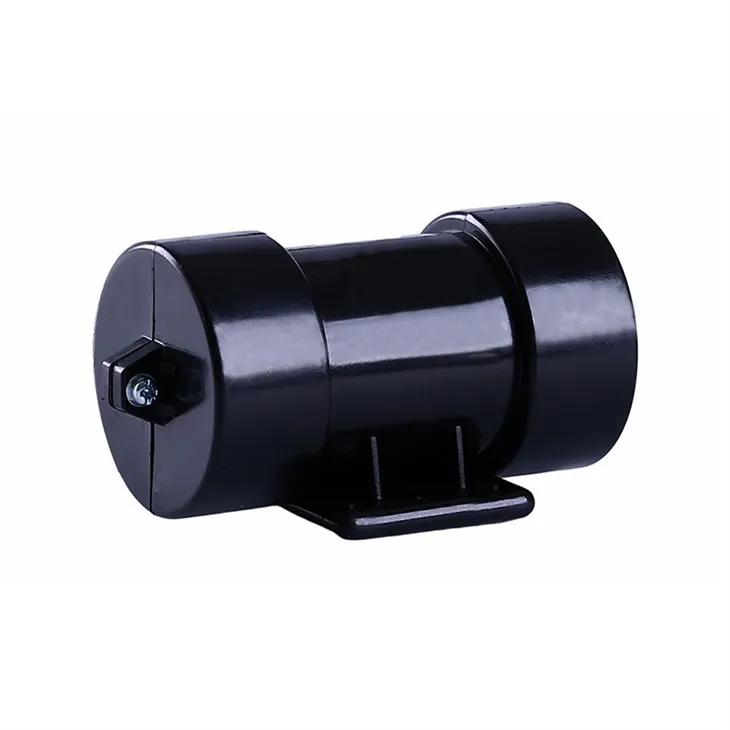
As a 12v dc hydraulic motor supplier, I've seen firsthand how important it is to choose the right hydraulic accumulator. If you're still not sure which one is right for your needs, feel free to reach out. We've got a team of experts who can help you make the best decision.
By the way, if you're interested in other types of motors, check out our [Vibration Dc Motor - factory](/dc - motor/dc - brushed - motor/vibration - dc - motor - factory.html), [24V Hydraulic DC Motor](/dc - motor/dc - brushed - motor/24v - hydraulic - dc - motor.html), and [PMDC Motor](/dc - motor/dc - brushed - motor/pmdc - motor.html). We offer a wide range of high - quality motors to meet all your requirements.
If you're looking to make a purchase or just want to discuss your options further, don't hesitate to get in touch. We're here to help you get the most out of your hydraulic system.
References
- Fluid Power Handbook by the National Fluid Power Association
- Hydraulic Systems and Components: Design and Application by Heinz P. Bloch