

Selecting the appropriate coupling for a hydraulic DC motor is a crucial decision that can significantly impact the performance, efficiency, and longevity of your hydraulic system. As a seasoned supplier of hydraulic DC motors, I've witnessed firsthand the importance of making the right coupling choice. In this blog post, I'll share some insights and guidelines to help you select the most suitable coupling for your specific application.
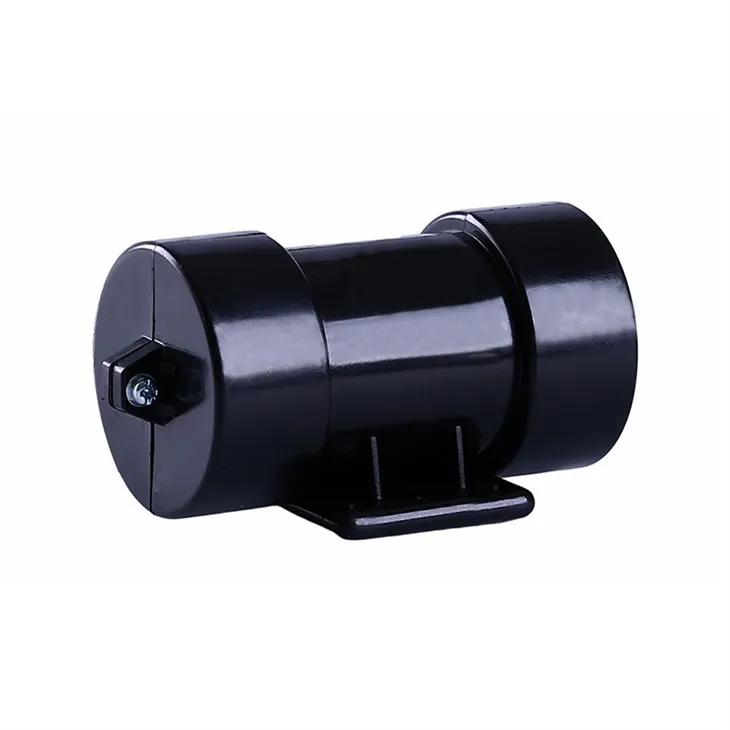

Understanding the Role of Couplings in Hydraulic DC Motor Systems
Before delving into the selection process, it's essential to understand the role of couplings in hydraulic DC motor systems. A coupling is a mechanical device that connects two shafts, such as the motor shaft and the driven shaft, to transmit power and torque. It also helps to compensate for misalignments between the two shafts, reduce vibration and shock loads, and protect the motor and other components from damage.
In a hydraulic DC motor system, the coupling plays a vital role in ensuring smooth and efficient power transmission. It must be able to handle the torque and speed requirements of the motor, as well as the specific operating conditions of the application. Choosing the wrong coupling can lead to a variety of problems, including premature wear and tear, reduced efficiency, increased maintenance costs, and even system failure.
Factors to Consider When Selecting a Coupling
When selecting a coupling for a hydraulic DC motor, several factors need to be taken into consideration. These factors include:
Torque and Speed Requirements
The first and most important factor to consider is the torque and speed requirements of the motor. The coupling must be able to handle the maximum torque and speed that the motor can produce without slipping or failing. It's essential to consult the motor's specifications to determine the appropriate torque and speed ratings for the coupling.
Misalignment Compensation
Another critical factor to consider is the amount of misalignment that the coupling needs to compensate for. Misalignment can occur due to various factors, such as installation errors, thermal expansion, and vibration. The coupling must be able to accommodate both angular and parallel misalignments to ensure smooth and efficient power transmission.
Operating Conditions
The operating conditions of the application also play a significant role in the coupling selection process. Factors such as temperature, humidity, dust, and vibration can all affect the performance and lifespan of the coupling. It's essential to choose a coupling that is designed to withstand the specific operating conditions of your application.
Space Constraints
Space constraints can also be a limiting factor when selecting a coupling. In some applications, there may be limited space available for the coupling, which can restrict the choice of coupling types. It's important to choose a coupling that can fit within the available space without compromising its performance.
Cost
Cost is always a consideration when selecting any component for a hydraulic system. While it's important to choose a high-quality coupling that meets your requirements, it's also essential to consider the cost-effectiveness of the coupling. It's a good idea to compare the prices of different coupling types and brands to find the best value for your money.
Types of Couplings for Hydraulic DC Motors
There are several types of couplings available for hydraulic DC motors, each with its own advantages and disadvantages. The most common types of couplings include:
Flexible Couplings
Flexible couplings are designed to compensate for misalignment between the motor shaft and the driven shaft. They are typically made of rubber, elastomer, or other flexible materials, which allow them to absorb shock and vibration. Flexible couplings are ideal for applications where misalignment is a concern, such as in pumps, compressors, and conveyors.
Rigid Couplings
Rigid couplings are designed to provide a solid connection between the motor shaft and the driven shaft. They are typically made of metal, such as steel or aluminum, and are used in applications where precise alignment is required. Rigid couplings are ideal for applications where high torque and speed are required, such as in machine tools and industrial equipment.
Fluid Couplings
Fluid couplings use a fluid medium, such as oil or water, to transmit power between the motor shaft and the driven shaft. They are typically used in applications where smooth and gradual acceleration is required, such as in conveyor systems and crushers. Fluid couplings are also useful for protecting the motor and other components from shock and vibration.
Magnetic Couplings
Magnetic couplings use magnetic fields to transmit power between the motor shaft and the driven shaft. They are typically used in applications where a hermetically sealed connection is required, such as in pumps and mixers. Magnetic couplings are also useful for protecting the motor and other components from contamination and corrosion.
Selecting the Right Coupling for Your Application
Now that you understand the factors to consider and the types of couplings available, it's time to select the right coupling for your specific application. Here are some steps to help you make the right choice:
Step 1: Determine the Torque and Speed Requirements
The first step is to determine the torque and speed requirements of the motor. Consult the motor's specifications to find the maximum torque and speed ratings. Make sure to choose a coupling that can handle these ratings without slipping or failing.
Step 2: Assess the Misalignment
The next step is to assess the amount of misalignment that the coupling needs to compensate for. Measure the angular and parallel misalignments between the motor shaft and the driven shaft. Choose a coupling that can accommodate the specific misalignment requirements of your application.
Step 3: Consider the Operating Conditions
Consider the operating conditions of the application, such as temperature, humidity, dust, and vibration. Choose a coupling that is designed to withstand these conditions and provide reliable performance.
Step 4: Evaluate the Space Constraints
Evaluate the available space for the coupling. Make sure to choose a coupling that can fit within the available space without compromising its performance.
Step 5: Compare the Cost
Compare the prices of different coupling types and brands to find the best value for your money. Keep in mind that the cheapest coupling may not always be the best choice, as it may not provide the required performance or durability.
Step 6: Seek Professional Advice
If you're still unsure which coupling is the best choice for your application, seek professional advice from a qualified engineer or coupling manufacturer. They can provide you with expert guidance and recommendations based on your specific requirements.
Conclusion
Selecting the appropriate coupling for a hydraulic DC motor is a critical decision that can have a significant impact on the performance and longevity of your hydraulic system. By considering the factors outlined in this blog post and choosing the right coupling for your specific application, you can ensure smooth and efficient power transmission, reduce maintenance costs, and extend the lifespan of your equipment.
If you're in the market for a hydraulic DC motor or need help selecting the right coupling for your application, please don't hesitate to [contact us]. We're a leading supplier of high-quality hydraulic DC motors and couplings, and we're committed to providing our customers with the best products and services.