

When it comes to off - road vehicles, equipping them with the right accessories can make a significant difference in their performance and safety. One such crucial accessory is a winch, and at the heart of a winch lies the motor. In this blog, we'll explore whether a 12V DC winch motor is suitable for off - road vehicles, and as a 12V DC Winch Motor supplier, I'll share some insights based on industry knowledge and experience.
Understanding 12V DC Winch Motors
First, let's understand what a 12V DC winch motor is. A 12V DC winch motor operates on direct current (DC) with a voltage of 12 volts. These motors are commonly used in winches because they are relatively compact, easy to install, and can provide sufficient power for many applications. The 12 - volt power source is standard in most vehicles, including off - road ones, which means that the motor can easily tap into the vehicle's electrical system.
One of the main advantages of a 12V DC winch motor is its compatibility. Since most off - road vehicles have a 12 - volt electrical system, there's no need for complex voltage converters or additional power sources. This simplifies the installation process and reduces the risk of electrical issues. For example, if you're using a winch to pull your vehicle out of a muddy ditch or over a rocky obstacle, you can rely on the existing electrical setup of your off - road vehicle to power the winch.
Power and Performance
The power of a winch motor is a critical factor when considering its suitability for off - road vehicles. A 12V DC winch motor can provide enough pulling force for a wide range of off - road scenarios. The pulling capacity of these motors can vary depending on their design and specifications, but many can handle loads ranging from a few thousand pounds to over ten thousand pounds.
For light - duty off - road vehicles, such as small ATVs or UTVs, a 12V DC winch motor with a lower pulling capacity may be sufficient. These vehicles are often used for recreational purposes on less challenging terrains, and a winch with a pulling capacity of 2000 - 3000 pounds can help in case of getting stuck in sand or mud.
On the other hand, for larger and heavier off - road vehicles like full - size trucks or SUVs, a more powerful 12V DC winch motor may be required. These vehicles can weigh several thousand pounds, and when they get stuck in deep mud, snow, or on a steep incline, a winch with a pulling capacity of 8000 - 12000 pounds or more may be necessary to safely extract them.
However, it's important to note that the power output of a 12V DC winch motor can be affected by factors such as the vehicle's battery condition and the length of the winch cable. A weak or discharged battery may not be able to provide enough power to the motor, resulting in reduced pulling force. Similarly, a longer winch cable can increase the electrical resistance, which also affects the motor's performance.
Durability and Reliability
Off - road environments are harsh and demanding, so the durability and reliability of a winch motor are essential. 12V DC winch motors are designed to withstand these tough conditions. They are typically built with robust materials and sealed to protect against dust, water, and debris.
Many 12V DC winch motors feature a gearbox system that helps to increase the torque and pulling force. These gearboxes are often made of high - strength metals and are lubricated to ensure smooth operation. Additionally, the motors are designed to handle high - current loads without overheating, which is crucial when using the winch for extended periods.
For example, in a desert environment where there's a lot of sand and dust, a well - sealed 12V DC winch motor can prevent these particles from entering the motor and causing damage. Similarly, in a rainy or muddy environment, the motor's waterproofing can protect it from corrosion and electrical short - circuits.
Limitations of 12V DC Winch Motors
While 12V DC winch motors have many advantages, they also have some limitations. One of the main limitations is their power output compared to higher - voltage motors. In some extreme off - road situations, such as pulling a very heavy vehicle out of deep snow or a large boulder, a 12V DC winch motor may struggle to provide enough pulling force.
Another limitation is the speed of operation. 12V DC winch motors generally have a slower pulling speed compared to some other types of motors. This can be a drawback if you need to quickly recover your vehicle in an emergency situation.
Alternatives to 12V DC Winch Motors
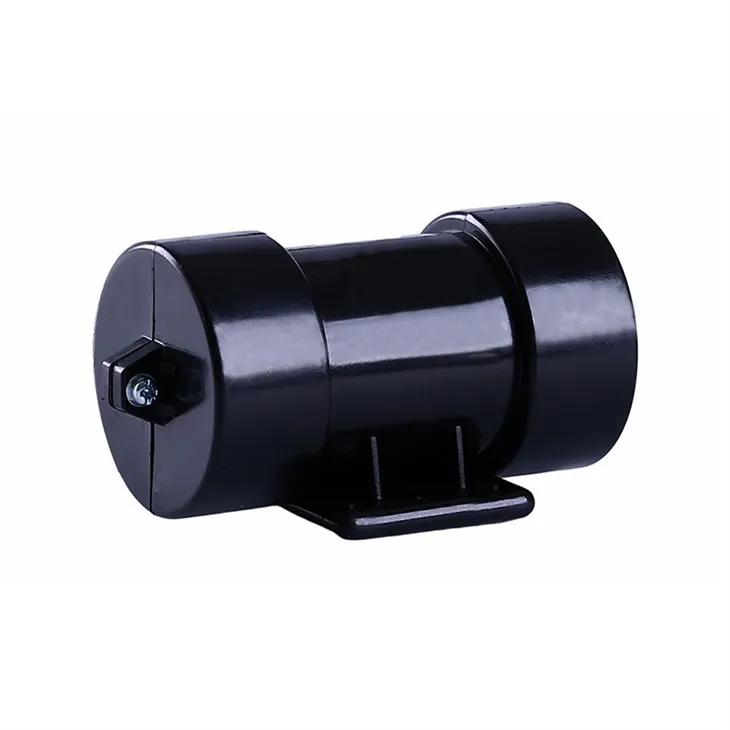
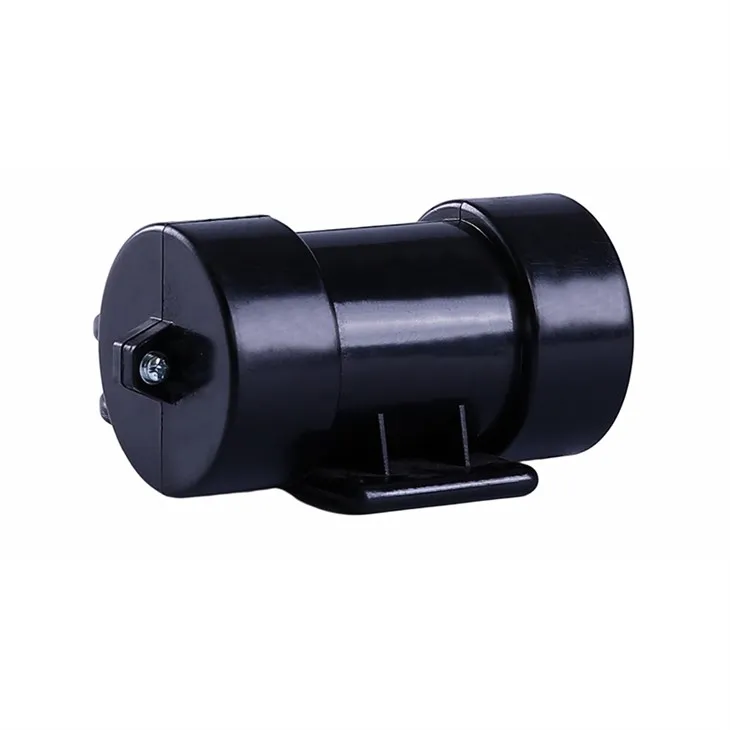
If a 12V DC winch motor doesn't meet your specific requirements, there are other options available. For example, some off - road enthusiasts may consider using a Push Rod DC Motor. These motors can offer different performance characteristics and may be more suitable for certain applications. Additionally, Vibration Dc Motor can also be used in some specialized winch designs, although they are less common in off - road vehicle applications.
Conclusion
In conclusion, a 12V DC winch motor can be a suitable choice for many off - road vehicles. Its compatibility with the vehicle's electrical system, power output for most common off - road scenarios, and durability make it a popular option. However, it's important to consider your specific needs and the type of off - roading you'll be doing. If you're involved in light - duty off - roading, a 12V DC winch motor with a lower pulling capacity may be sufficient. But for more extreme off - road adventures, you may need to evaluate whether a more powerful motor is necessary.
As a 12V DC Winch Motor supplier, we offer a wide range of 12V DC winch motors with different specifications and pulling capacities. If you're interested in learning more about our products or have any questions regarding the suitability of a 12V DC winch motor for your off - road vehicle, we encourage you to contact us for a detailed discussion and to explore potential purchasing opportunities.
References
- "Automotive Electrical Systems Handbook"
- "Off - Road Vehicle Accessories Guide"