

As a supplier of DC gear motors, I've seen my fair share of issues with these nifty little machines. DC gear motors are used in all sorts of applications, from small appliances to heavy - duty industrial equipment. But like any mechanical device, they're prone to failures. In this blog, I'll talk about some of the common failures of a DC gear motor and what you can do about them.
Overheating
One of the most common problems with DC gear motors is overheating. This can happen for several reasons. First off, if the motor is overloaded, it has to work harder than it's designed to. Just like when you're carrying a really heavy load, your body gets tired and hot, and the same goes for the motor. The extra current flowing through the windings generates more heat than the motor can dissipate properly.
Another reason could be poor ventilation. If the motor is installed in a tight space with no room for air to circulate, the heat builds up around it. Think of it like being in a stuffy room with no windows open. The heat just keeps getting trapped, and the motor's temperature rises.
Overheating is a big deal because it can damage the insulation on the motor's windings. Once the insulation breaks down, it can lead to short - circuits, which can fry the motor completely. To prevent overheating, make sure you're using the motor within its rated load capacity. Also, ensure proper ventilation around the motor. You might need to install fans or heat sinks if the environment is particularly hot or the motor is operating in a confined space.
Gear Wear and Tear
The gears in a DC gear motor are crucial for reducing speed and increasing torque. But they're also subject to a lot of stress. Over time, the constant meshing and grinding of the gears can cause wear. This wear can be accelerated if the gears are not properly lubricated. Lubrication acts as a buffer between the gear teeth, reducing friction and wear.
If the gears are misaligned, it can also lead to uneven wear. Misalignment can occur during installation or due to external forces acting on the motor. When the gears wear down, you might notice a decrease in the motor's efficiency. The motor might start making strange noises, like a grinding or whining sound. In severe cases, the gears can break, which will stop the motor from working altogether.
To prevent gear wear, regular maintenance is key. Check the lubrication levels and top them up as needed. Make sure the gears are properly aligned during installation and periodically check for any signs of misalignment. If you notice excessive wear, it might be time to replace the gears.
Brushes and Commutator Issues
In a DC motor, the brushes and commutator are responsible for transferring electrical current to the rotating armature. The brushes are made of a carbon - based material, and they rub against the commutator, which is a segmented metal ring.
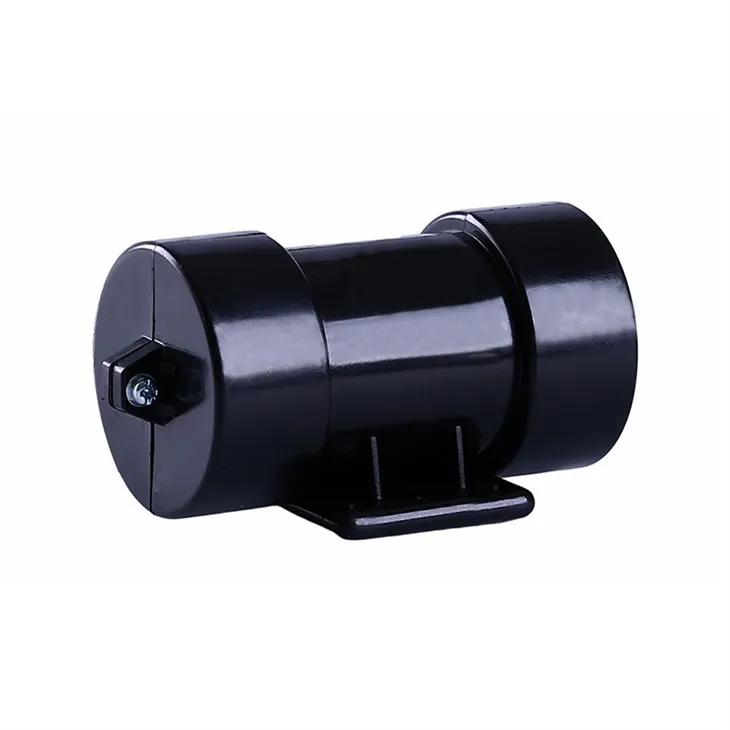

Over time, the brushes wear down. As they wear, the contact between the brushes and the commutator can become poor. This can lead to arcing, which is when a spark jumps between the brush and the commutator. Arcing not only reduces the motor's efficiency but can also damage the commutator surface.
The commutator can also get dirty or corroded. Dirt and debris can accumulate on the commutator, preventing good electrical contact. Corrosion can occur if the motor is operating in a humid or corrosive environment.
To deal with brush and commutator issues, you should regularly inspect the brushes for wear. When the brushes reach a certain level of wear, they need to be replaced. You can also clean the commutator using a soft brush and a suitable cleaning agent to remove dirt and corrosion.
Electrical Failures
Electrical failures in DC gear motors can be caused by a variety of factors. A short - circuit in the motor's windings is a common problem. This can happen due to overheating, as mentioned earlier, or if there's physical damage to the windings. A short - circuit can cause the motor to draw excessive current, which can trip circuit breakers or blow fuses.
Open - circuits are another issue. An open - circuit occurs when there's a break in the electrical path within the motor. This can be due to a broken wire or a loose connection. When there's an open - circuit, the motor won't work at all because the electrical current can't flow through the circuit.
To prevent electrical failures, it's important to use high - quality components during the manufacturing process. During installation, make sure all connections are tight and secure. You can also use surge protectors to protect the motor from voltage spikes.
Bearing Failures
The bearings in a DC gear motor support the rotating shaft. They allow the shaft to spin smoothly with minimal friction. However, bearings can fail for several reasons. One common cause is lack of lubrication. Just like with the gears, proper lubrication is essential for the bearings to function properly. Without enough lubrication, the bearings can overheat and wear out quickly.
Another cause of bearing failure is contamination. Dust, dirt, and other particles can get into the bearings, causing abrasion and damage. Vibration can also take a toll on the bearings. Excessive vibration can cause the bearings to become misaligned or can lead to fatigue failure.
When a bearing fails, you might notice increased noise and vibration from the motor. The motor might also become harder to turn. To prevent bearing failures, regularly check the lubrication levels in the bearings. Keep the motor environment clean to prevent contamination. If you notice any signs of bearing problems, replace the bearings as soon as possible.
Solutions and Recommendations
If you're experiencing issues with your DC gear motor, don't panic. In many cases, these problems can be fixed with some basic maintenance or component replacement. However, if you're not sure how to proceed, it's always a good idea to consult a professional.
At our company, we offer a wide range of DC gear motors, including 24V DC Winch Motor, PMDC Motor, and Vibration Dc Motor - factory. We also provide expert advice on motor selection, installation, and maintenance.
If you're in the market for a new DC gear motor or need help with an existing one, we'd love to hear from you. Contact us to discuss your requirements, and we'll work with you to find the best solution for your application.
References
- "Electric Motors and Control Systems" by Stephen L. Herman
- "Motor Handbook" by Arnold Tustin