

Hey there! As a supplier of submersible DC motors, I've had my fair share of dealing with all sorts of components, and bearings are a crucial part of these motors. So, today, I'm gonna walk you through the different types of bearings used in submersible DC motors.
Let's start with ball bearings. These are probably the most common type you'll come across. Ball bearings use balls to separate two bearing races. They're great because they can handle both radial and axial loads, although they're usually better at radial loads. In submersible DC motors, ball bearings are often used because they provide low friction and smooth operation. This is super important in a submersible environment where you want the motor to run efficiently without a lot of resistance. They're also relatively easy to install and maintain, which is a plus for us suppliers and our customers. For example, in smaller submersible DC motors used for things like water pumps in small ponds or aquariums, ball bearings work like a charm. They can keep the motor running smoothly for a long time with minimal wear and tear. You can learn more about some related motors like the PMDC Motor which might also use ball bearings in its design.
Next up, we have roller bearings. Roller bearings use cylinders instead of balls. They're designed to handle heavier radial loads compared to ball bearings. In submersible DC motors, especially the larger ones used in industrial applications like deep - well pumps, roller bearings are the go - to choice. Since these motors often have to deal with a lot of stress and heavy loads, roller bearings can distribute the load more evenly across the bearing surface. This helps prevent premature failure and extends the lifespan of the motor. However, they do have a bit more friction compared to ball bearings, so they might not be as efficient in terms of energy consumption. But when it comes to handling heavy - duty work, they're unbeatable.
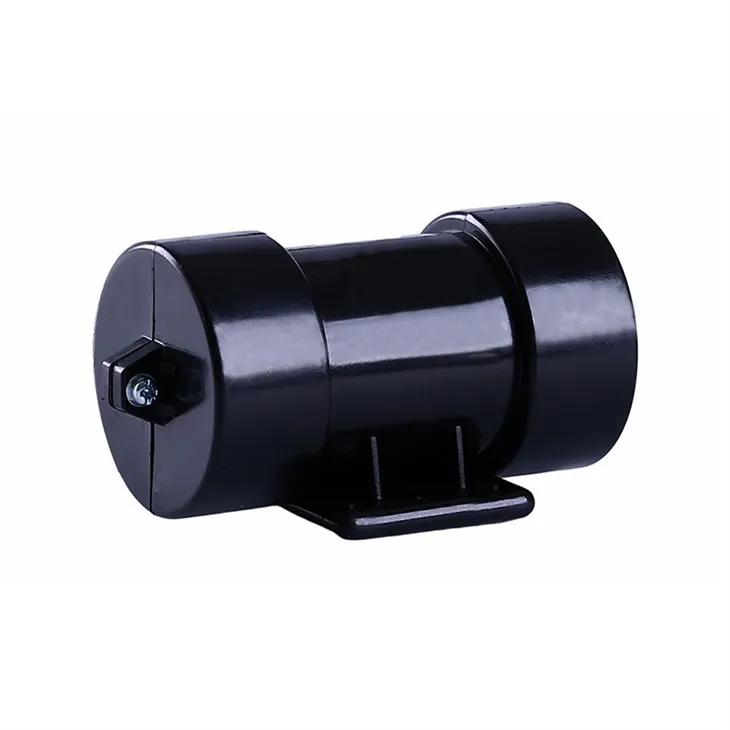
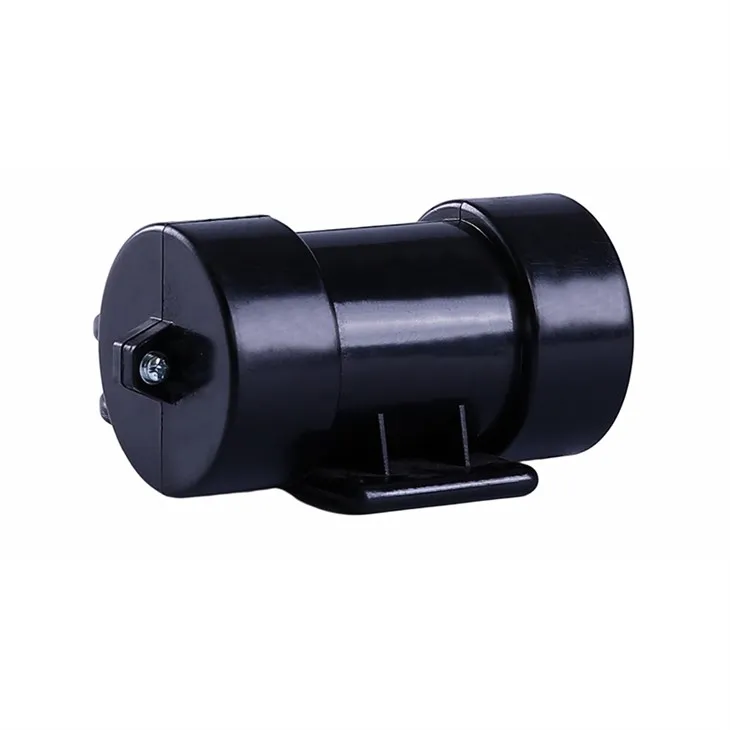
Thrust bearings are another type that plays a vital role in submersible DC motors. These bearings are specifically designed to handle axial loads, which are loads that act parallel to the shaft. In a submersible motor, there can be significant axial forces, especially when the motor is starting or stopping. Thrust bearings help to keep the shaft in place and prevent it from moving axially. This is crucial for maintaining the proper alignment of the motor components and ensuring smooth operation. They come in different designs, such as ball thrust bearings and roller thrust bearings. Ball thrust bearings are suitable for lighter axial loads, while roller thrust bearings can handle heavier ones. For example, in a submersible winch motor like the 24V DC Winch Motor, thrust bearings are used to handle the axial forces generated when the winch is pulling or releasing a load.
Now, let's talk about sleeve bearings. Sleeve bearings are simple in design. They consist of a sleeve that fits around the shaft. They're often made of materials like bronze or plastic. Sleeve bearings are quiet and have a low cost. In submersible DC motors, they're used in applications where noise reduction is important, such as in small home - use submersible motors. They also have good corrosion resistance, which is essential in a wet environment. However, they do require proper lubrication to work effectively. Without adequate lubrication, they can wear out quickly. In some cases, the water in the submersible environment can act as a lubricant, but in other situations, additional lubrication might be needed.
Magnetic bearings are a bit more high - tech. These bearings use magnetic fields to support the shaft without any physical contact. This means there's no friction, which is a huge advantage in terms of energy efficiency and wear. In submersible DC motors, magnetic bearings can significantly reduce maintenance requirements and increase the motor's lifespan. They're also very good at handling high - speed applications. However, they're quite expensive to manufacture and require complex control systems. So, they're usually used in high - end, industrial - grade submersible DC motors where the benefits outweigh the costs.
Ceramic bearings are also an option. They're made of ceramic materials, which offer several advantages. Ceramic is corrosion - resistant, which is perfect for the submersible environment. It also has a low density, which means the bearings are lighter. This can reduce the overall weight of the motor and improve its performance. Additionally, ceramic bearings can handle high temperatures better than traditional metal bearings. They're often used in submersible motors that operate in harsh conditions, such as in hot water applications or in motors that generate a lot of heat during operation.
When it comes to choosing the right bearing for a submersible DC motor, there are several factors to consider. The load requirements, both radial and axial, are the most important. You also need to think about the speed of the motor, the operating environment (including temperature, humidity, and the presence of corrosive substances), and the cost. A good bearing selection can make a huge difference in the performance and reliability of the motor.
As a submersible DC motor supplier, I've seen firsthand how the right bearing can enhance the quality of our products. Whether it's a small Vibration Dc Motor for a consumer product or a large industrial - grade submersible motor, we always pay close attention to the bearing selection.
If you're in the market for submersible DC motors or have any questions about the bearings used in them, don't hesitate to reach out. We're here to help you make the best choice for your specific needs. Whether it's a custom - designed motor or a standard off - the - shelf model, we can provide you with high - quality products that are built to last. So, if you're interested in purchasing submersible DC motors or want to discuss your requirements further, just drop us a line and let's start the conversation.
References
- Machinery's Handbook: A comprehensive reference for mechanical engineering, including bearing design and selection.
- ASME (American Society of Mechanical Engineers) standards related to bearings and motor design.
- Industry - specific research papers on submersible DC motor technology and bearing applications.