

Hey there! As a supplier of 24V hydraulic DC motors, I often get asked about the differences between 24V hydraulic DC motors and regular DC motors. So, I thought I'd take a few minutes to break it down for you.
Let's start with the basics. A regular DC motor is a pretty simple device. It works on the principle of electromagnetism. When you pass an electric current through a coil of wire in a magnetic field, it creates a force that makes the motor shaft turn. These motors are used in all sorts of applications, from small toys to large industrial machinery. They're known for their simplicity, reliability, and relatively low cost.
On the other hand, a 24V hydraulic DC motor is a bit more complex. It combines the power of hydraulics with the efficiency of a DC motor. Hydraulics is all about using fluid pressure to transmit power. In a 24V hydraulic DC motor, the electric power from the DC source is used to drive a hydraulic pump. This pump then pressurizes a hydraulic fluid, which in turn drives the motor's output shaft.
One of the biggest differences between the two is the amount of torque they can produce. Torque is the rotational force that makes a motor turn. Regular DC motors typically have a limited amount of torque, especially at low speeds. They rely on gearing systems to increase their torque output, which can add weight, complexity, and cost to the system.

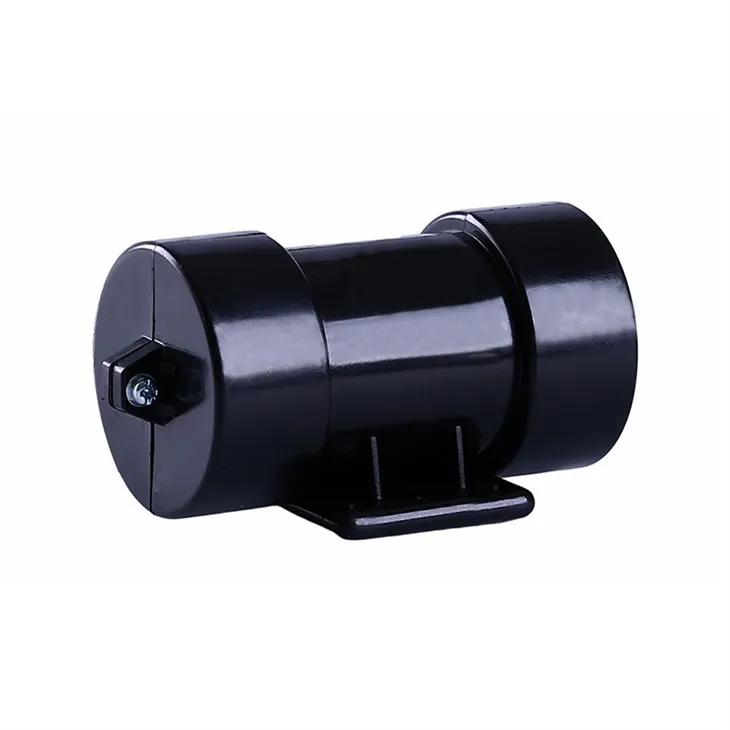
24V hydraulic DC motors, on the other hand, can generate a huge amount of torque right from the start. This is because the hydraulic system can store and release energy very efficiently. They're great for applications that require high torque at low speeds, like heavy machinery, construction equipment, and automotive power steering systems.
Another difference is in their speed control. Regular DC motors can be controlled by varying the voltage applied to them. By increasing or decreasing the voltage, you can change the speed of the motor. However, this method has its limitations. At low voltages, the motor may not have enough power to overcome the load, and at high voltages, it may overheat or damage the motor.
24V hydraulic DC motors offer more precise speed control. The hydraulic system can be adjusted to vary the flow rate of the hydraulic fluid, which directly affects the speed of the motor. This allows for very fine-tuned control, even at low speeds. It also means that the motor can maintain a constant speed under varying loads, which is crucial in many industrial applications.
In terms of efficiency, 24V hydraulic DC motors have an edge. Regular DC motors lose a lot of energy in the form of heat, especially when operating at high loads. This not only reduces their efficiency but also shortens their lifespan. Hydraulic systems, on the other hand, are very efficient at converting energy. They can transfer power over long distances with minimal losses, making them ideal for large-scale applications.
Now, let's talk about durability. Regular DC motors have a lot of moving parts, such as brushes and commutators, which can wear out over time. These parts need to be replaced regularly to keep the motor running smoothly. 24V hydraulic DC motors, however, have fewer moving parts in the traditional sense. The hydraulic system is sealed and protected, which means there's less wear and tear. This makes them more durable and reliable in the long run.
When it comes to size and weight, regular DC motors are usually smaller and lighter. They're great for applications where space and weight are at a premium, like in small electronics or portable devices. 24V hydraulic DC motors, on the other hand, tend to be larger and heavier due to the additional hydraulic components. But don't let that fool you. Their power-to-weight ratio can still be very high, especially when compared to regular DC motors with gearing systems.
In terms of cost, regular DC motors are generally cheaper. They're mass-produced and have a simple design, which keeps the manufacturing costs down. 24V hydraulic DC motors, however, are more expensive upfront. The hydraulic components and the more complex design add to the cost. But when you consider their long-term durability, high torque output, and precise control, the investment can pay off in the long run.
If you're in the market for a motor and need high torque, precise speed control, and long-term durability, a 24V hydraulic DC motor might be the right choice for you. And if you're looking for other options, we also offer 12V Hydraulic DC Motor Two Terminals-factory, Vibration Dc Motor-factory, and 12V Hydraulic DC Motor-factory.
If you're interested in learning more about our 24V hydraulic DC motors or have any questions about which motor is right for your application, don't hesitate to reach out. We're here to help you make the best choice for your needs. Whether you're a small business owner or a large industrial manufacturer, we can provide you with the right motor solutions. Let's start a conversation and see how we can work together!
References
- Principles of Electric Motors, Electrical Engineering Textbooks
- Hydraulic Systems and Their Applications, Mechanical Engineering Journals