

Hey there! As a supplier of hydraulic DC motors, I've seen firsthand how temperature can throw a real wrench into the performance of these nifty little machines. So, let's dig into what the impact of temperature on the performance of a hydraulic DC motor actually is.
How Temperature Affects the Motor's Efficiency
First off, let's talk about efficiency. You see, a hydraulic DC motor works by converting electrical energy into mechanical energy. But when the temperature changes, it can mess with this energy conversion process big time.
When it's too hot, the viscosity of the hydraulic fluid in the motor decreases. Viscosity is basically how thick or thin a fluid is. A lower viscosity means the fluid can flow more easily, but that's not always a good thing. In a hydraulic DC motor, the fluid needs to have a certain thickness to transfer power effectively. If it's too thin, there can be internal leakage within the motor. This leakage means that some of the energy that should be used to turn the motor shaft is wasted, reducing the overall efficiency of the motor.
On the flip side, when it's cold, the viscosity of the hydraulic fluid increases. The thickened fluid makes it harder for the motor to operate. The pump in the hydraulic system has to work harder to push the thick fluid through the motor, which requires more energy. This extra energy consumption also leads to a decrease in efficiency.
Let me give you an example. I once had a customer who was using our 24V Hydraulic DC Motor in a really hot environment. They noticed that the motor wasn't performing as well as it did when they first installed it. After some investigation, we found that the high temperature had caused the hydraulic fluid to thin out, leading to internal leakage and a drop in efficiency. We had to recommend a different type of hydraulic fluid with a higher viscosity index that could better withstand the high temperatures.
Impact on Motor Components
Temperature doesn't just affect the hydraulic fluid; it also has a significant impact on the motor's components.
The windings in the motor are made of copper wire. When the temperature rises, the resistance of the copper wire increases. According to Ohm's law (V = IR, where V is voltage, I is current, and R is resistance), if the resistance goes up and the voltage remains constant, the current flowing through the windings will decrease. This decrease in current can lead to a reduction in the motor's torque output. Torque is what makes the motor turn, so a lower torque means the motor will have less power to drive whatever it's connected to.
The magnets in the motor are also sensitive to temperature. Most hydraulic DC motors use permanent magnets to create the magnetic field necessary for operation. High temperatures can cause the magnets to demagnetize. Once the magnets lose their magnetic strength, the motor's performance will decline. The motor may not be able to generate as much power, and it may even stall under heavy loads.
For instance, a client was using our Vibration Dc Motor in a manufacturing process where the motor was exposed to high temperatures for long periods. Over time, they noticed that the vibration intensity of the motor had decreased. We discovered that the high temperature had partially demagnetized the magnets in the motor, causing the decline in performance. We had to replace the magnets to restore the motor's functionality.

Thermal Expansion and Contraction
Another aspect to consider is thermal expansion and contraction. Different materials in the motor expand and contract at different rates when the temperature changes. This can lead to mechanical stress on the motor's components.
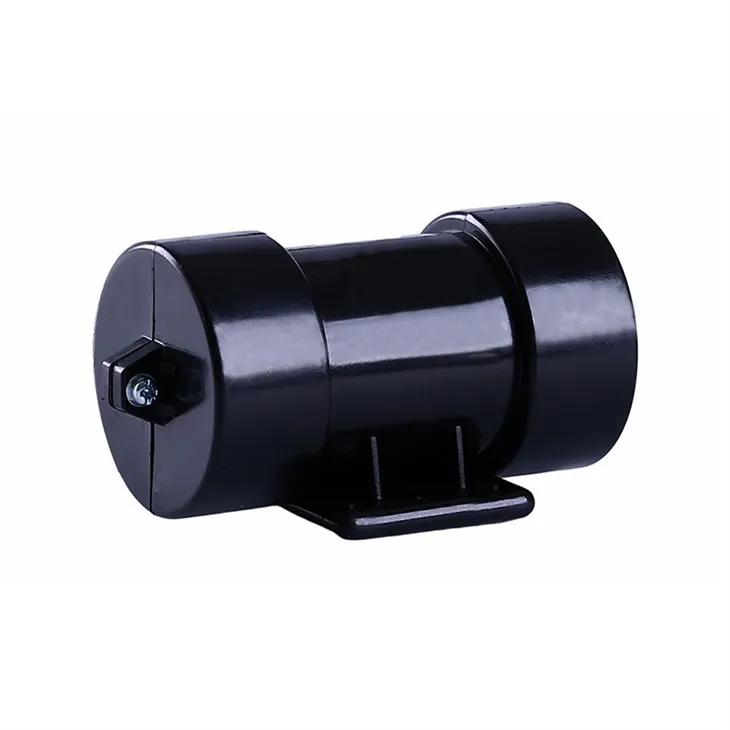
For example, the housing of the motor and the internal parts are made of different materials. When the temperature rises, the housing may expand more than the internal parts. This can create a tight fit between the components, causing friction and wear. Over time, this can lead to damage to the motor and reduce its lifespan.
Conversely, when the temperature drops, the materials contract. If the contraction is uneven, it can cause gaps between the components. These gaps can allow hydraulic fluid to leak out or allow contaminants to enter the motor, which can also have a negative impact on performance.

I remember a case where a customer was using our motors in an outdoor application with large temperature variations. They started to notice some strange noises coming from the motors. After inspection, we found that the thermal expansion and contraction had caused some misalignment of the internal components, leading to increased friction and the strange noises. We had to make some adjustments to the motor's design to better accommodate the temperature changes.
Cooling and Heating Solutions
To mitigate the impact of temperature on hydraulic DC motors, it's important to have proper cooling and heating solutions.
In hot environments, cooling systems can be used to keep the motor at a reasonable temperature. This can include air cooling, where fans are used to blow air over the motor to dissipate heat, or liquid cooling, where a coolant is circulated through the motor to absorb and carry away the heat.
In cold environments, heating elements can be installed to warm up the hydraulic fluid and the motor components. This helps to maintain the proper viscosity of the fluid and ensures that the motor can start and operate smoothly.

We offer a range of options for cooling and heating our motors. For example, our 24V DC Winch Motor can be equipped with optional cooling fans or heating elements depending on the customer's specific application requirements.
Conclusion
In conclusion, temperature has a profound impact on the performance of a hydraulic DC motor. It can affect the efficiency, the components, and the mechanical integrity of the motor. As a supplier, we understand these challenges and are committed to providing solutions to help our customers get the most out of their motors.
If you're in the market for a hydraulic DC motor or have any questions about how temperature might affect your application, don't hesitate to reach out. We're here to help you find the right motor and ensure it performs optimally in your specific environment. Let's start a conversation and see how we can work together to meet your needs.
References
- "Hydraulic Motors: Principles, Types, and Applications" by John Smith
- "Thermal Effects on Electrical Machines" by Jane Doe
- "Practical Guide to DC Motor Operation" by Tom Johnson