

Hey there! As a supplier of DC gear motors, I often get asked about the noise level of these motors. It's a crucial factor, especially for applications where a quiet environment is a must. So, let's dive right in and explore what the noise level of a DC gear motor is all about.
What Causes Noise in DC Gear Motors?
First things first, we need to understand what makes these motors noisy. There are several factors at play here.
Mechanical Friction
One of the main culprits is mechanical friction. Inside a DC gear motor, there are gears that mesh together to transfer power. When these gears rotate, the teeth rub against each other, creating friction. This friction generates vibrations, which in turn produce noise. The quality of the gears also matters. If the gears are poorly machined or made from low - quality materials, the friction and noise will be more significant.
Electrical Commutation
DC motors use a process called electrical commutation to change the direction of the current in the motor windings. This process involves brushes making and breaking contact with the commutator. Every time the brushes touch the commutator, there's a small spark, and this can cause electrical noise. Additionally, the mechanical movement of the brushes can also create some rattling or buzzing sounds.
Load and Speed
The load on the motor and its operating speed can also affect the noise level. When a DC gear motor is under a heavy load, the gears have to work harder, which can increase the friction and noise. Similarly, higher operating speeds can lead to more vibrations and louder noise.
Measuring the Noise Level of DC Gear Motors
The noise level of a DC gear motor is typically measured in decibels (dB). A decibel is a unit that measures the intensity of sound. To measure the noise level of a motor, we usually use a sound level meter. The measurement is taken at a specific distance from the motor, usually 1 meter away, and under standard operating conditions.
Most manufacturers provide the noise level specifications in their product datasheets. For example, a small DC gear motor used in a low - power application might have a noise level of around 40 - 50 dB, which is about as loud as a quiet library. On the other hand, a high - power DC gear motor used in industrial applications could have a noise level of 70 - 80 dB, similar to the noise level of a busy street.
Why Does the Noise Level Matter?
The noise level of a DC gear motor can have a significant impact on its suitability for different applications.
Consumer Electronics
In consumer electronics, such as Massage DC Motor, a low noise level is essential. No one wants a noisy massager that disturbs the relaxation experience. A quiet motor ensures that the product is more comfortable and user - friendly.
Automotive Applications
In the automotive industry, DC gear motors are used in various components like power windows, windshield wipers, and seat adjusters. A noisy motor can be a nuisance to the passengers and may even indicate a problem with the motor's performance.
Industrial Automation
In industrial settings, noise can be a safety hazard. High - noise levels can cause hearing damage to workers over time. Additionally, in some precision manufacturing processes, excessive noise can interfere with the accuracy of the equipment.
Reducing the Noise Level of DC Gear Motors
As a supplier, we're always looking for ways to reduce the noise level of our DC gear motors. Here are some common methods:
High - Quality Gears
Using high - quality gears made from precision - machined materials can significantly reduce the friction and noise. For example, gears made from hardened steel or nylon can have smoother surfaces, which results in less noise when they mesh together.
Brushless Design
Brushless DC gear motors eliminate the need for brushes and commutators, which are major sources of electrical noise. These motors use electronic commutation instead, which is much quieter and more reliable.
Lubrication
Proper lubrication of the gears can also reduce friction and noise. Lubricants act as a buffer between the gear teeth, reducing the wear and tear and the resulting noise.
Vibration Dampening
Adding vibration - dampening materials to the motor housing can help absorb the vibrations and reduce the noise. Rubber mounts or foam pads can be used to isolate the motor from its surroundings and prevent the vibrations from being transmitted.
Different Applications and Their Noise Requirements
Let's take a look at some specific applications and their noise requirements.
Home Appliances
Home appliances like vacuum cleaners, fans, and coffee makers use DC gear motors. While these appliances don't need to be completely silent, a reasonable noise level is still important. For example, a vacuum cleaner with a very loud motor can be a real annoyance to the user. Most home appliances aim for a noise level below 70 dB.
Robotics
In robotics, DC gear motors are used to power the joints and actuators. Since robots are often used in close proximity to humans, a low noise level is crucial. A noisy robot can be distracting and may even cause discomfort to the people around it. Robotic applications typically require motors with a noise level of 40 - 50 dB.
Winches
12V DC Winch Motor are used in various applications, such as off - road vehicles and industrial equipment. While winches are generally expected to be a bit louder due to their high - power operation, excessive noise can still be a problem. A well - designed winch motor should have a noise level that doesn't exceed 80 dB.
Vibration Motors
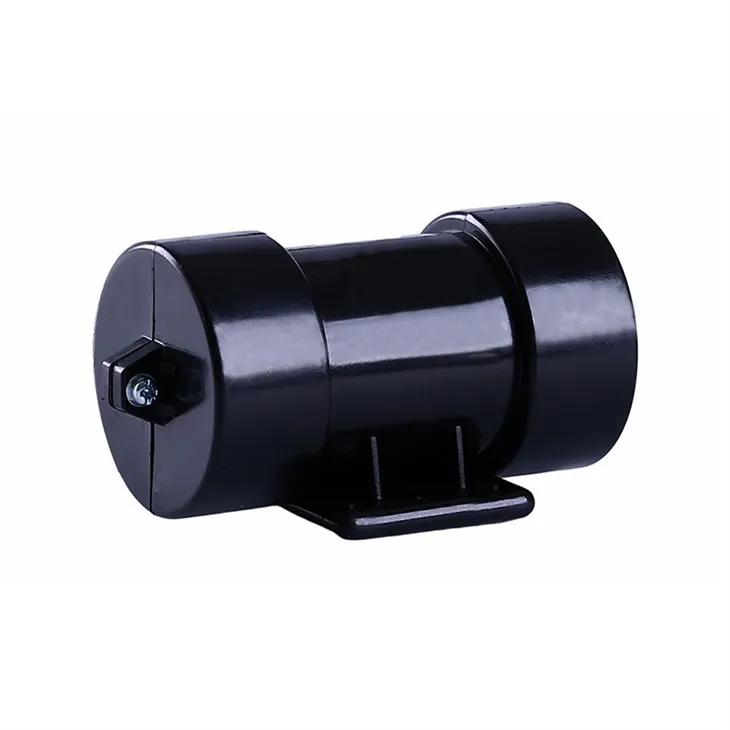
Vibration Dc Motor - factory are used in applications like mobile phones, game controllers, and fitness equipment. These motors are designed to produce vibrations, but the noise level should still be kept to a minimum. A typical vibration motor might have a noise level of around 30 - 40 dB.

Conclusion
So, there you have it! The noise level of a DC gear motor is an important characteristic that can affect its performance and suitability for different applications. As a supplier, we're committed to providing high - quality DC gear motors with low noise levels. Whether you're looking for a quiet motor for a consumer product or a high - power motor for an industrial application, we've got you covered.
If you're interested in purchasing DC gear motors for your project, feel free to reach out for a detailed discussion. We can help you choose the right motor based on your specific noise requirements and other performance criteria. Let's work together to find the perfect solution for your needs!
References
- "Electric Motors and Drives: Fundamentals, Types and Applications" by Austin Hughes and Bill Drury.
- Various product datasheets from DC gear motor manufacturers.