

Hey there! As a supplier of 12V Hydraulic DC Motors, I often get asked about the overload capacity of these motors. So, I thought I'd take a few minutes to break it down for you.
First off, let's talk about what overload capacity actually means. In simple terms, it's the ability of a motor to handle more power or load than its rated capacity for a certain period of time without getting damaged. For a 12V hydraulic DC motor, this is super important because in real - world applications, motors often face unexpected spikes in load.
Factors Affecting Overload Capacity
1. Motor Design
The internal design of the motor plays a huge role. The winding of the motor, for example, is crucial. If the windings are made of high - quality copper with a proper gauge, they can handle more current without overheating. Our 12V hydraulic DC motors are designed with precision - wound coils that can tolerate short - term overloads better than some of the cheaper alternatives out there.
2. Heat Dissipation
Heat is the enemy of any motor. When a motor is overloaded, it generates more heat. A motor with good heat dissipation features can handle overloads more effectively. Our motors come with built - in heat sinks and ventilation systems. These help to transfer the heat away from the critical components of the motor, allowing it to operate under overload conditions for a longer time.
3. Hydraulic System Compatibility
Since these are hydraulic DC motors, the hydraulic system they're connected to also affects the overload capacity. A well - designed hydraulic system can distribute the load evenly and provide some buffering against sudden load changes. Our motors are engineered to work seamlessly with a wide range of hydraulic systems, which enhances their overall overload performance.
Measuring Overload Capacity
Overload capacity is usually measured in terms of the percentage of the rated load that the motor can handle and for how long. For example, a motor might be able to handle 150% of its rated load for 10 minutes without any significant damage.
In our experience, our 12V hydraulic DC motors can typically handle up to 130% of their rated load for about 15 minutes. This is based on extensive testing in our labs, where we simulate real - world conditions as closely as possible.
Real - World Applications and Overload
In many applications, motors face overload situations regularly. For instance, in some industrial machinery, the motor might need to start a heavy load from a standstill. This requires a much higher torque than the motor's normal operating torque, which is essentially an overload situation.
Our 12V hydraulic DC motors are used in various industries such as automotive, manufacturing, and even some home automation systems. In automotive applications, they can be used in power steering systems. When you turn the steering wheel sharply, the motor has to work harder to provide the necessary hydraulic pressure, which can lead to an overload. Thanks to their good overload capacity, our motors can handle these situations without failing.
Comparing with Other Types of DC Motors
If you're looking at different types of DC motors, you might wonder how our 12V hydraulic DC motors stack up. Let's take a quick look at some other common DC motors:

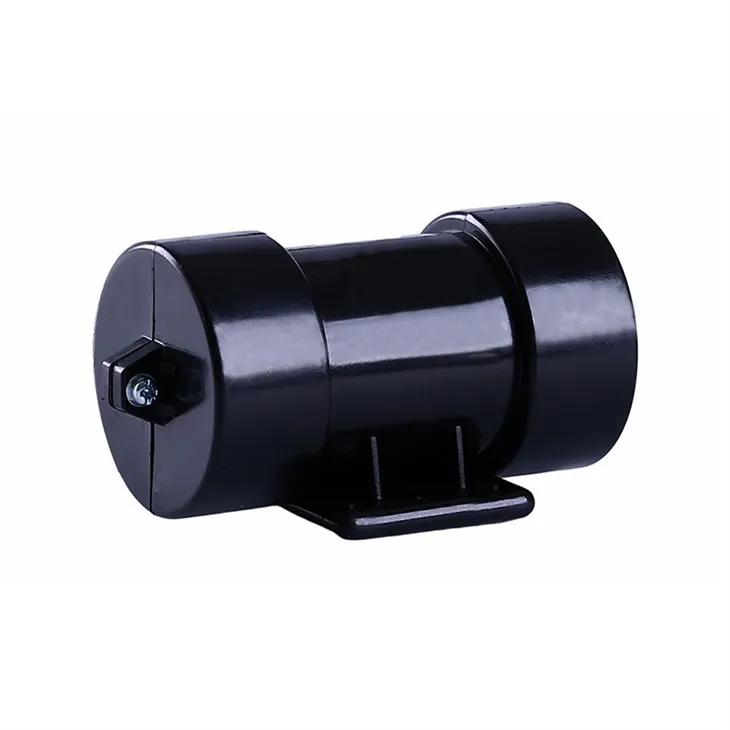
Vibration Dc Motor
Vibration DC motors, like the ones you can find at Vibration Dc Motor - factory, are mainly used for generating vibrations. They usually have a relatively low power rating and limited overload capacity. They're not designed to handle heavy loads for long periods like our 12V hydraulic DC motors.
Push Rod DC Motor
Push rod DC motors, as described on Push Rod DC Motor, are used for linear motion applications. While they can handle some level of overload, their design is more focused on precise linear movement. Our 12V hydraulic DC motors, on the other hand, are more versatile in terms of handling different types of loads and can tolerate higher overloads due to their hydraulic nature.
Film Roll Up DC Motor
Film roll - up DC motors, available at Film Roll Up DC Motor, are optimized for rolling and unrolling films. They have a specific load profile and are not built to handle the kind of dynamic overloads that our 12V hydraulic DC motors can handle.
Maintaining Overload Capacity
To ensure that your 12V hydraulic DC motor maintains its overload capacity over time, proper maintenance is key. Regularly check the motor for any signs of wear and tear, especially the winding and the heat dissipation components. Keep the hydraulic system clean and well - lubricated.
If you notice any unusual noises or performance issues, it's important to address them right away. Ignoring these problems can lead to a decrease in the motor's overload capacity and eventually cause it to fail.
Why Choose Our 12V Hydraulic DC Motors?
We've been in the business of supplying 12V hydraulic DC motors for a long time. Our motors are known for their high - quality construction, excellent performance, and good overload capacity. We use only the best materials and the latest manufacturing techniques to ensure that our motors meet the highest standards.
Whether you're a small business looking for a reliable motor for your machinery or a large corporation in need of a bulk supply, we can meet your needs. Our customer service team is always ready to answer any questions you might have and help you choose the right motor for your application.
Contact Us for Purchase and Consultation
If you're interested in our 12V hydraulic DC motors or have any questions about their overload capacity or other features, don't hesitate to reach out. We're here to help you make the best decision for your project. Whether you need a single motor or a large order, we can provide you with a competitive quote.
References
- Various industry reports on DC motor performance and overload capacity.
- In - house testing data from our 12V hydraulic DC motor production.