

Hey there! As a supplier of hydraulic DC motors, I often get asked about the vibration level of these motors during operation. It's a crucial topic, especially for those who rely on these motors in their machinery. So, let's dive right in and explore what the vibration level of a hydraulic DC motor during operation really means.
First off, let's understand what a hydraulic DC motor is. It's a type of motor that combines the power of hydraulics with the efficiency of direct current. These motors are widely used in various industries, from construction to manufacturing, because they can provide high torque and smooth operation. But like any mechanical device, they can produce vibration.
Vibration in a hydraulic DC motor can come from several sources. One of the main causes is the imbalance in the rotating parts. Just like a car tire that's out of balance and causes the steering wheel to shake, an imbalanced motor can create vibration. This imbalance can be due to manufacturing tolerances, wear and tear, or even improper installation.
Another source of vibration is the hydraulic system itself. The flow of hydraulic fluid can create pressure pulsations, which can translate into vibration in the motor. These pulsations can be caused by issues like cavitation (the formation and collapse of vapor bubbles in the fluid), blockages in the hydraulic lines, or problems with the pump.
So, why is it important to keep an eye on the vibration level of a hydraulic DC motor? Well, excessive vibration can lead to a whole host of problems. For starters, it can cause premature wear and tear on the motor's components. The constant shaking can loosen bolts, damage bearings, and even crack the motor housing. This not only shortens the lifespan of the motor but also increases the risk of breakdowns and costly repairs.
Vibration can also affect the performance of the machinery that the motor is powering. It can cause misalignment of parts, leading to reduced efficiency and accuracy. In some cases, it can even cause the machinery to malfunction or shut down completely.
Now, let's talk about how to measure the vibration level of a hydraulic DC motor. There are several methods and tools available for this. One common method is to use a vibration sensor. These sensors can be attached to the motor and measure the amplitude, frequency, and direction of the vibration. The data collected by the sensor can then be analyzed to determine if the vibration level is within acceptable limits.

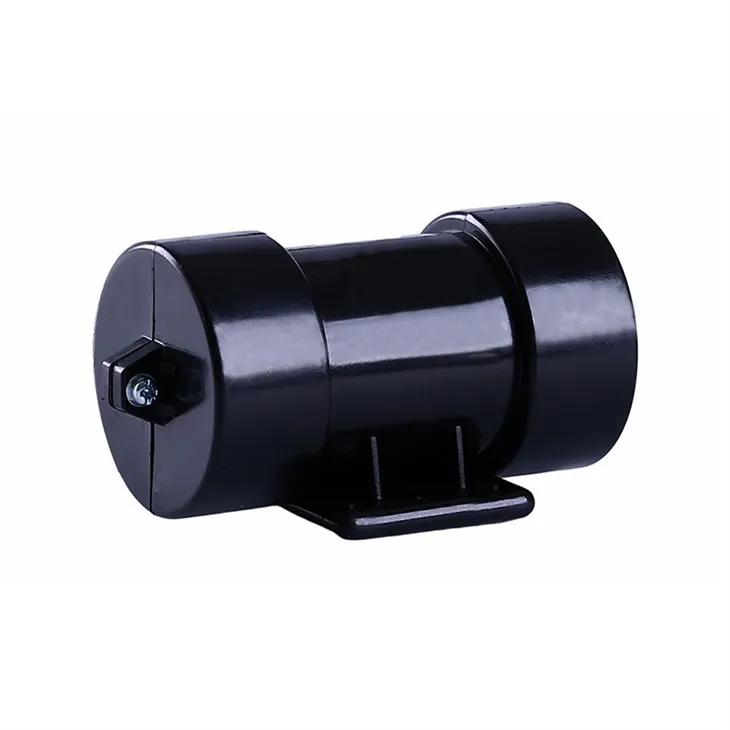
Another way to assess the vibration level is through visual inspection. Look for signs of excessive movement, such as loose parts, rattling, or abnormal noise. These can be indicators of high vibration levels. However, visual inspection is not as accurate as using a sensor and may not detect subtle vibrations.
As a supplier of hydraulic DC motors, we take the issue of vibration very seriously. We use advanced manufacturing techniques and quality control measures to ensure that our motors have low vibration levels. Our motors are carefully balanced during the manufacturing process to minimize imbalance-related vibration. We also test our motors thoroughly before they leave the factory to make sure they meet the highest standards of performance and reliability.
If you're in the market for a hydraulic DC motor, we offer a wide range of options to suit your needs. Check out our 12V Hydraulic DC Motor-factory for a reliable and efficient 12V option. Or, if you need a more powerful motor, our 24V Hydraulic DC Motor might be the perfect choice. And if you're specifically looking for a motor with good vibration characteristics, our Vibration Dc Motor-factory has some great options.
In conclusion, understanding the vibration level of a hydraulic DC motor during operation is essential for ensuring its longevity and performance. By keeping an eye on the vibration level and taking appropriate measures to address any issues, you can avoid costly repairs and downtime. If you have any questions or need more information about our hydraulic DC motors, don't hesitate to reach out. We're here to help you find the right motor for your application and ensure that it runs smoothly for years to come.
References:
- "Hydraulic Motors: Principles, Operation, and Maintenance" - A comprehensive guide on hydraulic motors and their operation.
- "Vibration Analysis for Machinery Maintenance" - A book that covers the basics of vibration analysis and its importance in machinery maintenance.