


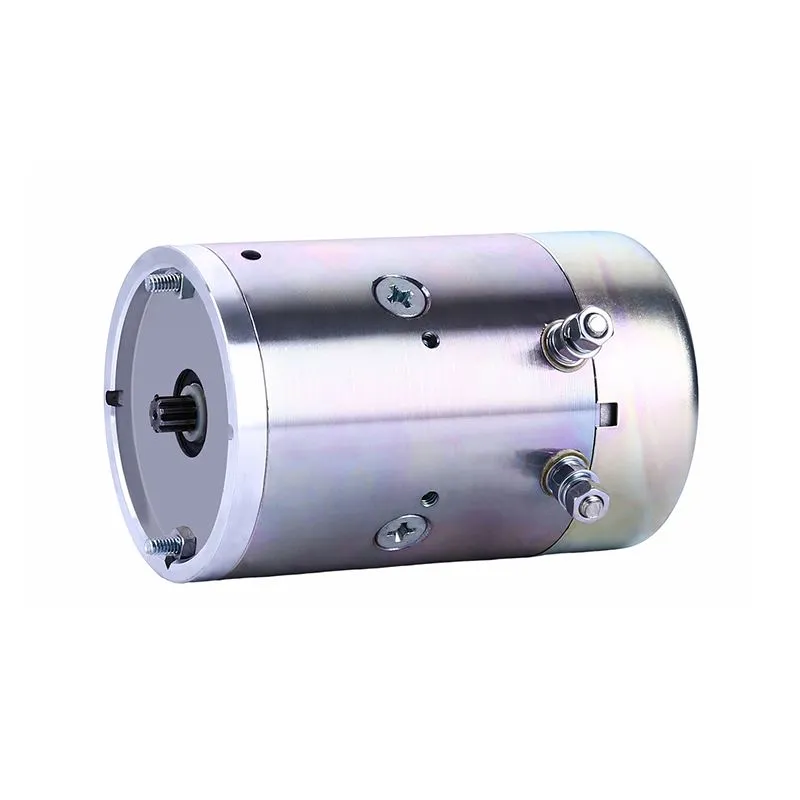
Zhejiang Sanrong Electric Motor Co., Ltd. is one of the most experienced manufacturers and suppliers of dc gear motor-factory in China. We warmly welcome you to buy customized dc gear motor-factory at competitive price from our factory. If you have any enquiry about quotation, please feel free to email us.
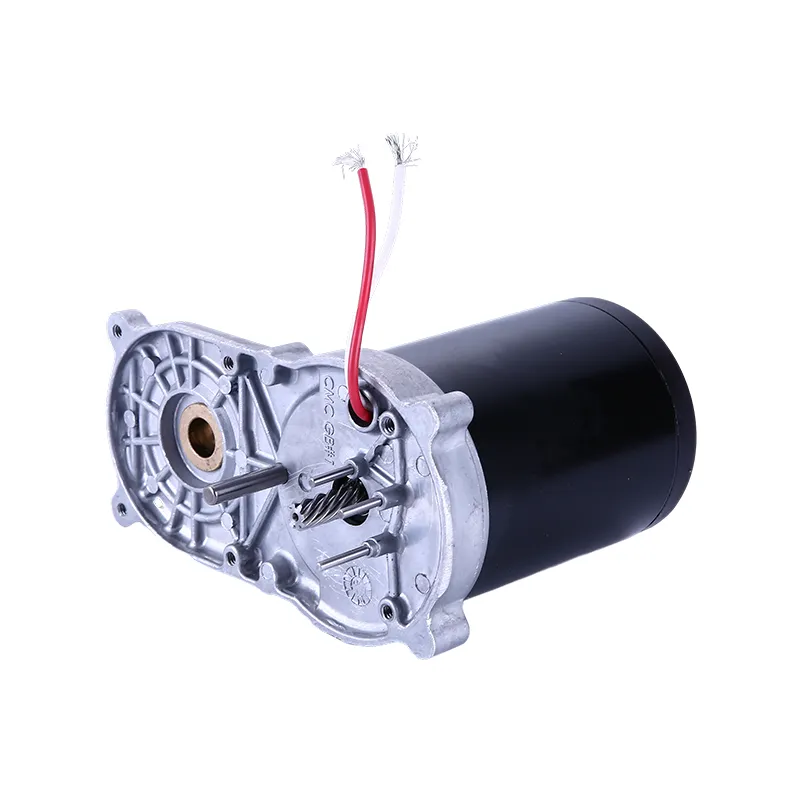
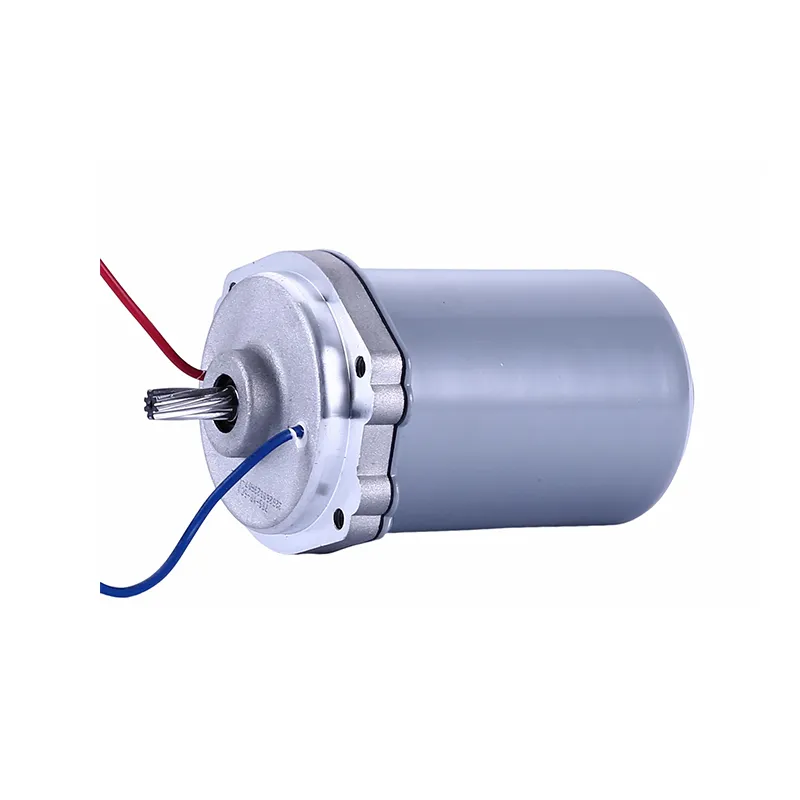
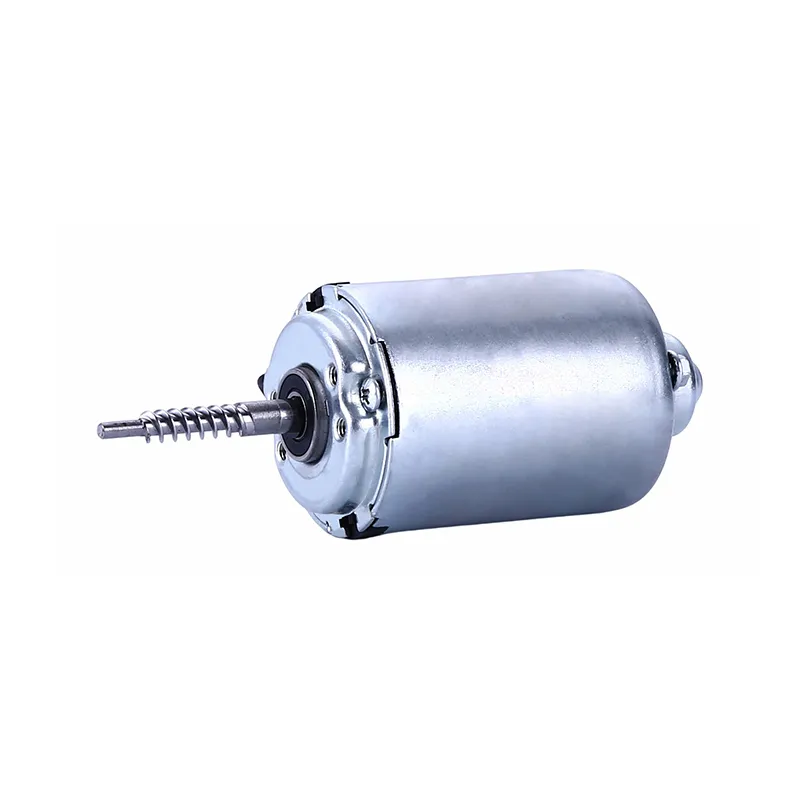
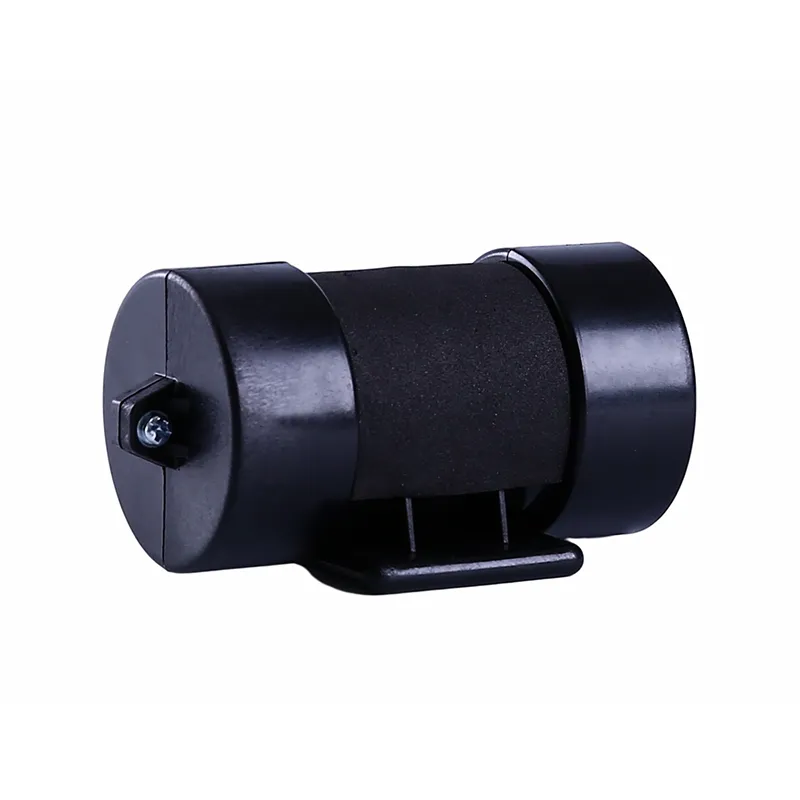
DC gear motor
Application:Automation Equipment, Massage chair, Home Application
Package: Standard export pallet. 100pcs/pallet
MOQ:100pcs
Usage:Automation Equipment, Audio and Video Equipment, Moving Machinery, Toy, Massage, Home Application
| MODEL | RATED VOLT | SPEED | OUTPUT POWER | RATED CURRENT | RATED TORQUE | DUTY CYCLE | INSULATION | WATERPROOF |
| 80S-6-2 | 12V DC | 1550rpm | 60W | 9.5A | 0.36N.m | S1 | A | IP44 |

What is DC Gear Motor?
A DC gear motor is an electric motor and a power reducer combined into a single unit that reduces the number of revolutions but increases the torque of the operating shaft. A DC Gear Motor, also known as DC Geared Motor, or Speed Reduction Motor, is the combination of a DC motor and gearbox. DC Gear Motor used direct current power. In most cases, the purpose of adding a gearbox is to limit the speed of the motor shaft, and increase the output torque of the motor.
Why Choose Us?
Rich Experience
Sunroad Motor has been specializing in the development and production of DC motors for over three decades. As a professional manufacturer of DC motors, it is also an authoritative micro-motor engineering technology center certified by relevant institutions.
Professional Team
The company has established a comprehensive team of 160 professionals dedicated to production, research and development, and management. Equipped with advanced facilities, the team is capable of independently designing and developing products tailored to customer requirements.
Quality Assurance
All our products undergo rigorous quality control processes and have received official certifications, including ISO9001 system certification, CE certification, and UL certification. Additionally, we hold numerous patents that reflect our commitment to innovation and excellence.
Broad Market
Our products are exported to Europe, America, and major cities across China. We maintain long-term, stable partnerships with leading customers in the industry on a global scale, ensuring consistent satisfaction and trust.
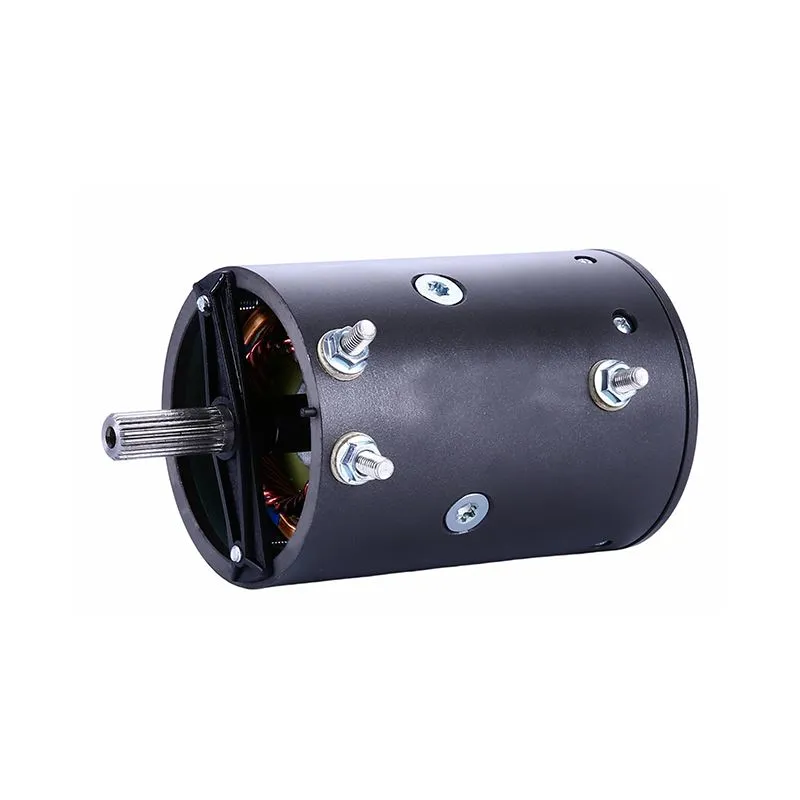
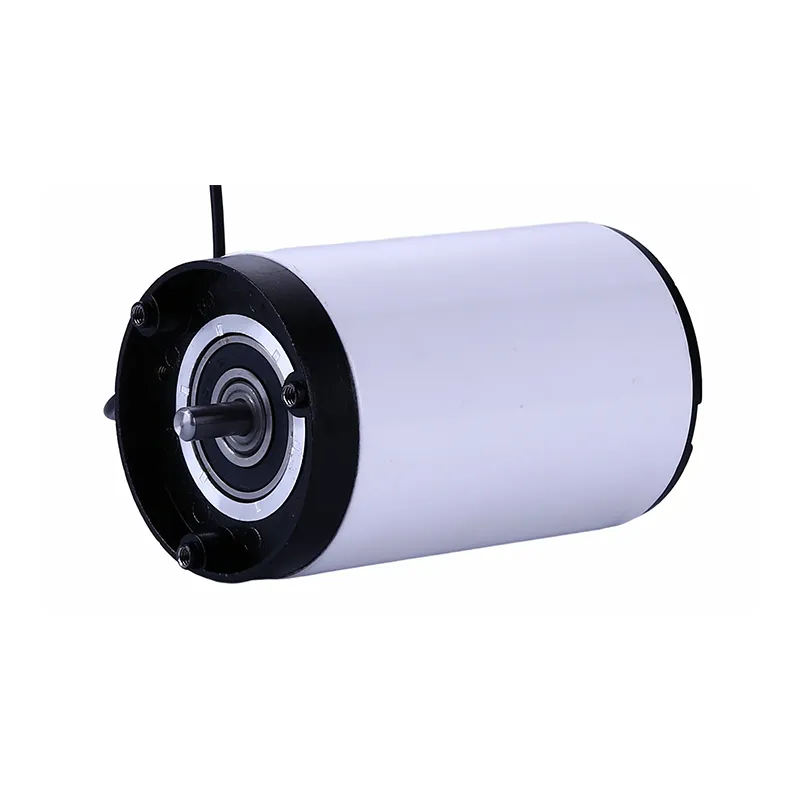
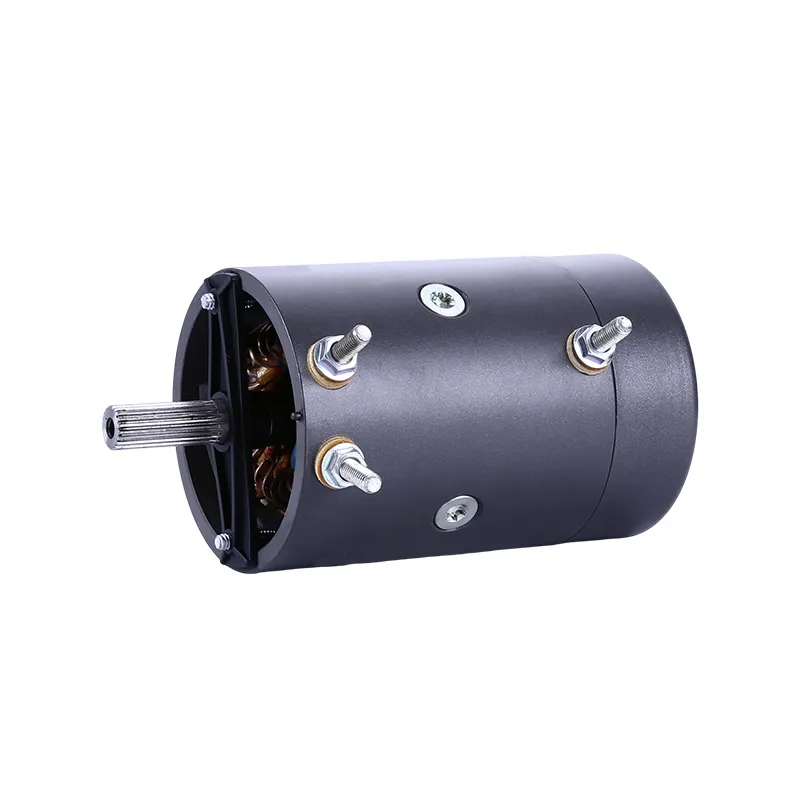
Advantages of DC Gear Motor
A DC Gear Motor, also known as DC Geared Motor, or Speed Reduction Motor, is the combination of a DC motor and gearbox. DC Gear Motor used direct current power.Such gears for electric motors are often used in modern machines and mechanisms, it is universal for many types of equipment. Some hybrid models combine practicality and durability. The housing is made of plastic and the gears are made of metal. This design gives a minimum noise level during the operation of the devices, the voltage can be from 12 to 24 V. Here are some advantages of DC Gear Motors:
High torque output: DC Gear Motors are capable of producing high torque output, making them suitable for heavy-duty applications.
Efficient: These motors are highly efficient, converting electrical energy into mechanical energy with minimal energy loss.
Precise speed control: DC Gear Motors offer precise speed control and can be easily adjusted to suit the specific requirements of an application.
Compact size: DC Gear Motors are compact and can fit into tight spaces, making them suitable for use in small machines and devices.
Long lifespan: With proper maintenance, DC Gear Motors can have a long lifespan, making them a cost-effective solution for many applications.
Low noise: DC Gear Motors operate quietly, making them ideal for applications where noise levels need to be kept to a minimum.
Cost-effective: DC Gear Motors are generally more affordable than other types of motors, making them a cost-effective solution for many applications.
Durable: These motors are built to withstand harsh environments and heavy usage, making them a reliable solution for many industrial applications.
DC Gear Motor Sizing Calculations
Here are four basic equations that will give you a great sense of the abilities a DC gear motor must have to be an excellent fit for your application. Once you have made these calculations, you can match motor ratings to the requirements you uncovered.
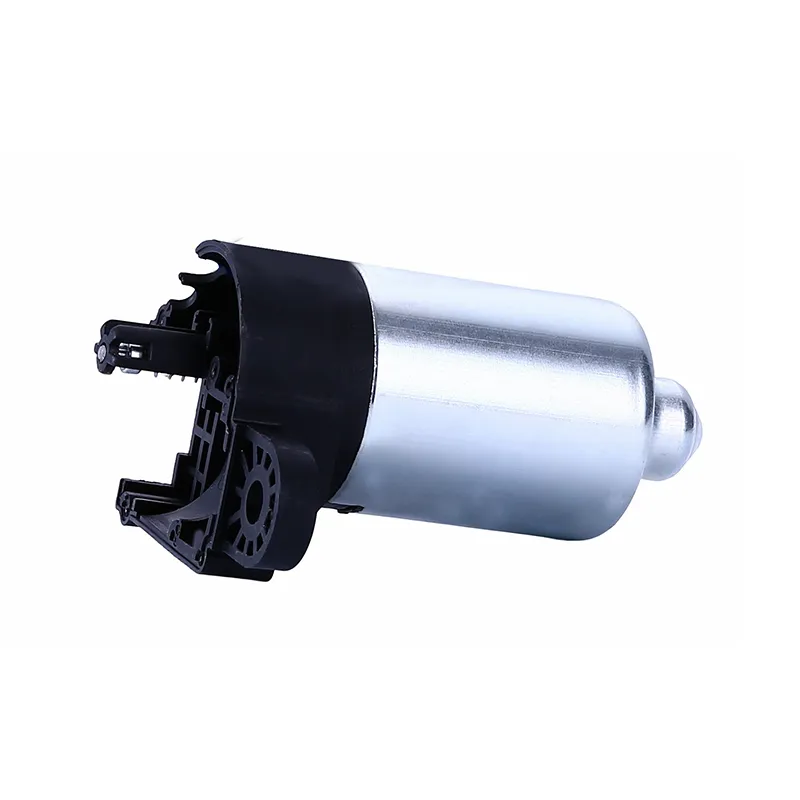
1. Load Inertia (oz-in2) = the resistance of the DC gear motor and the driven load to any change in rotational speed. A simple equation to use is I=mr2, where m=mass and r=distance to rotational access. Load Inertia is recorded as oz-in2.
2. Load Torque (T) = the amount of torque constantly required for the application. Use this equation: T=Fr, where F=Force of moving direction calculated in newtons (N) and r=distance to rotational radius calculated in metres (m). The motor you choose must generate more torque than this calculated value, and you must keep in mind that the torque needed at acceleration may be higher than what is necessary at constant speeds.
3. Speed (RPM) = how many rotations of the DC gear motor's shaft are completed within one minute. This can easily be calculated as distance divided by time. It is important to note that torque will drop as speed increases and vice versa. Alternatively, if the load requirements go up, the speed will decrease. Also, the rate of acceleration will go up as torque goes up. Plotting the torque-speed curve will show you if the DC gear motor can handle the required load across the entire speed spectrum.
4. Motor Constant (Km) = the ability of the DC gear motor to convert electrical power into mechanical power. Km=M/ √(P), where M=Torque calculated in newton-metres (mNm) and P=Resistive Power Loss calculated in watts (W).
Characteristics of DC Gear Motor
DC Gear Motors are a type of electric motor that uses direct current (DC) power and a gearbox to provide precise and efficient rotational motion. These motors consist of a DC motor and a gearbox, which is a mechanical device that reduces the speed of the motor while increasing its torque output. The gearbox typically contains multiple gears that are arranged in a specific configuration to provide the desired output speed and torque. Here are some of the key characteristics of DC Gear Motors:
1. High torque output: DC Gear Motors are designed to provide high torque output at low speeds, making them ideal for applications that require a lot of power.
2. Precise speed control: These motors provide precise speed control and can be easily adjusted to suit the specific requirements of the application.
3. Efficiency: DC Gear Motors are highly efficient and can convert a high percentage of electrical power into mechanical power, resulting in less energy waste and lower operating costs.
4. Compact size: The small size of DC Gear Motors makes them an ideal choice for applications where space is limited, such as in robotics or other compact machines.
5. Low noise: These motors operate quietly and smoothly, making them suitable for applications where noise levels need to be kept to a minimum.
6. Long life span: With proper maintenance, DC Gear Motors can have a long service life, making them a reliable and cost-effective solution for many applications.
7. Durability: DC Gear Motors are built to withstand harsh environments and heavy usage, making them a durable solution for many industrial applications.
What Is the Difference Between DC motor and DC Gear Motor?
A DC gear motor features the same basic motor design as a DC motor but also includes a gearbox to create a single motion control component. This design allows speed reduction while increasing torque output in electromechanical applications. Solutions can utilize either dc brush motors or a dc brushless motor and feature either a standard or coreless motor design. For added control, you can incorporate an encoder. They are compact, cost-effective, and used in oem applications ranging from vending machines to material handling equipment. The two most prominent types of gear motors are planetary and spur gear motors. Read our in depth design note on planetary vs. spur gear motors , for a further understanding of the advantages of each type.
Factors to Consider When Buying a DC Gear Motor
If your application requires a DC Gear Motor to do a lot of work – for example, materials handling equipment, stair lifts or patient hoists – you'll likely need a DC Gear Motor capable of delivering a lot of torque. A great example is in the rapidly growing caravan mover market, where smooth delivery and high torque are prerequisites to ensure even the largest caravans can be moved and parked safely and accurately.
When purchasing an electric DC Gear Motor for your application, it's important to consider the amount of power required for it to function as intended. You might want to think about how hard you'll need to drive a DC Gear Motor and whether the application will require the DC Gear Motor to be operating at maximum output for sustained periods of time.
Another important consideration is whether to go for an AC or DC geared motor. Generally, DC Gear Motors offer smooth, quiet operation and are capable of operating at high speeds. Alternatively, DC Gear Motors are a great choice if you need to achieve a constant, high torque. If your application demands a particularly quiet operation, such as an electric wheelchair, an DC Gear Motor might be the solution for you.
The battery voltage required can depend on what you're asking your product to do and a higher voltage can help increase a DC Gear Motor's torque and power. Therefore, it's worth considering a higher battery voltage to improve consistency of power at an increased level.
Consider how often your geared electric DC Gear Motor will be operational. Your product might run continuously day in, day out, which would be typical of the sort of operating pattern found in industrial automation applications. Alternatively, your product might only need to operate in short bursts with longer periods of downtime. A more demanding application might be more closely suited to an DC Gear Motor because they can cope with intense operational requirements and are highly durable.
How to Choose DC Gear Motor?
When selecting a DC Gear Motor, it's important to consider factors such as power requirements, torque specifications, speed, efficiency, size, weight, noise levels, mounting options, and compatibility. Let's explore each of these factors in more detail to help you make an informed decision.
Power requirements and torque specifications: One of the first things to consider when choosing a 12V DC gear motor is the power requirements of your project. Determine the power source available and ensure that the motor you choose can operate within the specified voltage range. Additionally, consider the torque requirements of your application. Torque is the rotational force produced by the motor and is crucial for applications that require lifting, pushing, or rotating objects.
Speed and RPM considerations: The speed of a DC Gear Motor is measured in revolutions per minute (RPM). It determines how fast the output shaft of the motor rotates. Consider the desired speed for your application and choose a gear motor that can meet those requirements. Keep in mind that gear motors can provide different speeds depending on the gear ratio used.
Size and weight limitations: The size and weight of the DC Gear Motor are important considerations, especially if you have limited space or weight restrictions in your project. Measure the available space and ensure that the gear motor will fit without causing any interference. Additionally, consider the weight of the motor, as it can affect the overall weight and balance of your project.
Gear ratio and efficiency: The gear ratio determines how the motor's speed and torque output are adjusted. A higher gear ratio provides higher torque output but lower speed, while a lower gear ratio provides higher speed but lower torque. Consider the specific requirements of your project and choose a gear motor with the appropriate gear ratio to achieve the desired performance. Additionally, consider the efficiency of the DC Gear Motor, as a higher efficiency motor can help reduce power consumption and improve overall performance.
Noise and vibration levels: Noise and vibration can be a concern, especially in applications that require quiet operation or where excessive vibration can affect the performance or longevity of the system. Look for DC Gear Motors that are designed to minimize noise and vibration levels, especially if your project requires precise control or operates in a noise-sensitive environment.
Mounting options and compatibility: Consider the mounting options available for the DC Gear Motor and ensure that it is compatible with your project. Some gear motors come with specific mounting brackets or attachment points, while others may require additional customization. Choose a DC Gear Motor that can be easily integrated into your project without any major modifications or compatibility issues.
Our Factory
Sunroad Motor Co.,Ltd was established in 1986 and has been deeply involved in DC motors for more than 30 years. It is a professional manufacturer of DC motors and an authoritative certified micro motor engineering technology center. In order to meet the needs of customers and the market, the company invested 20 million yuan in 2000 to establish a modern factory in Ningbo with an area of 22000 square meters. We have established a production, research and development, and management team of 160 people. Our mature research and development team and professional testing and research and development equipment enable us to independently design and develop products according to customer needs. Professional automation equipment greatly improves our production capacity to meet the order needs of domestic and foreign customers.


Ultimate FAQ Guide to DC Gear Motor
Q: What are DC Gear Motors used for?
Q: What is a DC gear motor used for?
Q: What are the most common uses for DC gear motors?
Q: How to choose a DC gear motor?
• Power requirements and torque specifications.
• Speed and RPM considerations.
• Size and weight limitations.
• Gear ratio and efficiency.
• Noise and vibration levels.
• Mounting options and compatibility.
Q: What happens if you run DC Gear Motor at lower voltage?
Q: Why use a DC motor instead of AC?
Q: What are three applications of the DC Gear Motor?
Q: What are four examples in which a DC Gear Motor is made use of?
Q: Where are DC Gear Motors used in real life?
• Cranes.
• Air compressor.
• Lifts.
• Elevators.
• Winching system.
• Electric traction.
• Hair drier.
• Vacuum cleaner and in speed regulation application.
Q: What happens if you put AC voltage to a DC motor?
• In case of Series connection of armature winding and field winding , it may run.
• But, In case of parallel connection , it won't rotate at all and will start humming and will create vibrations, as a torque produced by positive and negative cycle will cancel out each other.
Q: Why should a DC motor not be run without load?
Q: How do you tell if a motor is AC or DC?
Q: Can you hook up a DC motor to AC power?
Q: What are 3 advantages of DC gear motor?
• Simpler installation and maintenance.
• High startup power and torque.
• Fast response times to starting, stopping, and acceleration.
• Availability in several standard voltages.
Q: What happens if you plug DC into AC?
Q: How do I know which DC gear motor to use?
Q: How much voltage required for DC gear motor?
Q: What is the difference between DC motor and DC gear motor?
Q: How do you size a DC gear motor?
Hot Tags: dc gear motor-factory, China dc gear motor-factory manufacturers, suppliers, factory, high speed dc motor, dc gearmotor 90vdc, DC Motor 24V 2.5KW 2500RPM for electric winch, DC Motor 24V 2 5KW 2500RPM for electric winch, dc brushed motor dies, DC Motor 24V 2 5KW 1900RPM for electric winch