

Hey there! As a supplier of Vibration DC Motors, I often get asked this question: "Can a vibration DC motor be used in audio equipment?" Well, let's dive right into it and explore this topic.
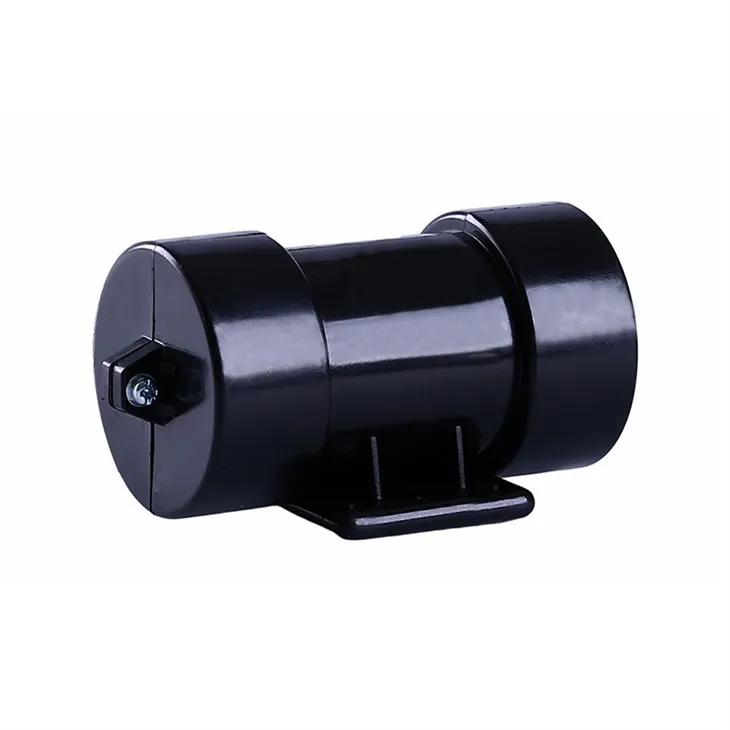
First off, let's talk a bit about what a vibration DC motor is. A Vibration Dc Motor is a type of DC motor that's designed to produce a vibrating motion. It's commonly used in things like mobile phones for the vibration alert function, in massage devices to provide that soothing vibrating effect, and in some gaming controllers to give you that tactile feedback.
Now, when it comes to audio equipment, we're usually dealing with components that are focused on producing sound waves. Audio equipment includes stuff like speakers, headphones, amplifiers, and audio mixers. The main goal of these devices is to convert electrical signals into sound that we can hear.
So, can a vibration DC motor fit into this audio world? At first glance, it might seem a bit of a stretch. After all, a vibration DC motor is all about creating physical vibrations, while audio equipment is about creating sound waves. But let's break it down further.
Potential Applications in Audio Equipment
Tactile Feedback in Audio Devices
One area where a vibration DC motor could potentially be used in audio equipment is for tactile feedback. Think about high - end headphones or earbuds. Some companies are already exploring the idea of adding a tactile element to the audio experience. For example, when you're listening to a bass - heavy track, the vibration DC motor could be triggered to create a physical vibration that corresponds to the low - frequency sounds. This would give you a more immersive experience, almost like you can feel the music.
Let's say you're listening to a really intense drum and bass song. The low - frequency thumps of the bass drums could be translated into vibrations by the motor. It's like adding an extra dimension to your audio experience, making it not just something you hear but also something you feel.

Audio - Visual Equipment
In audio - visual setups, such as home theaters, a vibration DC motor could be used in seats. When there's a loud explosion or a powerful bass note in a movie, the motor in the seat could vibrate, enhancing the overall viewing and listening experience. It's similar to the effect you get in some theme park rides where the seats vibrate to match the on - screen action.
Challenges and Limitations
Electrical Interference
One of the biggest challenges of using a vibration DC motor in audio equipment is electrical interference. Vibration DC motors can generate electrical noise, which can interfere with the audio signals. This electrical noise can manifest as unwanted hiss, crackles, or pops in the audio output. Audio equipment is very sensitive to electrical interference, and even a small amount of noise can significantly degrade the sound quality.
Heat Generation
Another issue is heat generation. Vibration DC motors can get quite hot when they're operating, especially if they're running continuously. In audio equipment, heat can be a major problem as it can damage sensitive electronic components. Overheating can cause components to fail prematurely, leading to a shorter lifespan for the audio device.
Compatibility with Audio Circuits
Vibration DC motors typically have different electrical characteristics compared to the components used in audio circuits. They might require different power supplies, have different impedance values, and operate at different frequencies. This can make it difficult to integrate them seamlessly into audio equipment without significant modifications to the existing circuitry.
Other DC Motors in Audio - Related Applications
While we're on the topic of DC motors and audio equipment, it's worth mentioning a couple of other types of DC motors that are more commonly used in audio - related applications.
The 24V Hydraulic DC Motor - factory can be used in large - scale audio installations, such as in concert halls or stadiums. These motors can be used to control the movement of large speakers or audio rigs. For example, they can be used to adjust the angle of a speaker array to direct the sound towards a specific area of the venue.
The Film Roll Up DC Motor can be used in audio - visual projection systems. It can be used to roll up and unroll projection screens smoothly. This ensures that the screen is properly deployed and retracted, which is important for a good audio - visual experience.
Conclusion
So, can a vibration DC motor be used in audio equipment? The answer is yes, but with some significant challenges. There are potential applications in areas like tactile feedback and audio - visual setups, but the issues of electrical interference, heat generation, and compatibility need to be addressed.
If you're an audio equipment manufacturer or someone interested in exploring the use of DC motors in your audio projects, I'd love to hear from you. We have a wide range of vibration DC motors, as well as other types of DC motors like the 24V Hydraulic DC Motor and Film Roll Up DC Motor, that could potentially fit your needs. Whether you're looking to add a new feature to your audio devices or improve the functionality of your audio - visual setups, we can work together to find the right solution.
Get in touch with us to start a discussion about your requirements and how our motors can be integrated into your audio equipment. Let's create some amazing audio experiences together!
References
- General knowledge about DC motors and audio equipment from industry experience.
- Research on emerging trends in audio technology and tactile feedback in audio devices.