

As a supplier of Film Roll Up DC Motors, ensuring the stability of these motors during operation is of utmost importance. In this blog, I will share some key strategies and considerations to achieve this goal, drawing on my experience in the industry.
1. Quality of Components
The foundation of a stable Film Roll Up DC Motor lies in the quality of its components. High - grade materials and precision - made parts are essential. For example, the stator and rotor should be made of materials with good magnetic properties. High - quality copper windings can reduce resistance and heat generation, which is crucial for long - term stability. Using high - precision bearings can minimize friction and ensure smooth rotation of the motor shaft.
When sourcing components, it is vital to work with reliable suppliers. We conduct strict quality control checks on all incoming components to ensure they meet our high standards. This includes testing for electrical conductivity, material hardness, and dimensional accuracy. By starting with top - notch components, we can build motors that are more likely to operate stably over time.
2. Proper Design and Engineering
A well - designed motor is more likely to be stable. The design should take into account factors such as the torque requirements, speed control, and heat dissipation. For Film Roll Up DC Motors, the torque needs to be carefully calculated to ensure that it can roll up the film smoothly without overloading the motor.
The electrical design also plays a significant role. The winding configuration, the number of poles, and the voltage rating should be optimized for the specific application. Advanced engineering techniques can be used to model the motor's performance under different conditions, allowing us to make adjustments before production. This proactive approach helps in preventing potential stability issues during operation.
3. Temperature Management
Heat is one of the biggest enemies of motor stability. Excessive heat can cause the insulation of the windings to break down, leading to short - circuits and motor failure. To manage temperature effectively, we use several techniques.
Firstly, we design the motor with adequate ventilation. This can include adding cooling fins or ventilation holes to allow heat to escape. Secondly, we use high - temperature - resistant insulation materials for the windings. These materials can withstand higher temperatures without degrading, ensuring the long - term integrity of the electrical circuit.
In addition, we can also incorporate thermal sensors into the motor. These sensors can monitor the temperature and trigger protective measures if the temperature exceeds a safe limit. For example, the motor can be automatically shut down or the speed can be reduced to prevent overheating.
4. Voltage and Current Regulation
Stable voltage and current are essential for the proper operation of a Film Roll Up DC Motor. Fluctuations in voltage or current can cause the motor to run erratically, leading to uneven film rolling and potential damage to the motor.
We recommend using a high - quality power supply that can provide a stable output. Voltage regulators can be installed to maintain a constant voltage level, even if there are variations in the input power. Current - limiting devices can also be used to prevent excessive current from flowing through the motor, which can cause overheating and other problems.
5. Vibration and Noise Reduction
Vibration and noise can not only be annoying but also indicate potential stability issues. Excessive vibration can loosen components, leading to mechanical failures over time. To reduce vibration, we focus on the balance of the motor. The rotor should be precisely balanced during the manufacturing process to minimize vibration.
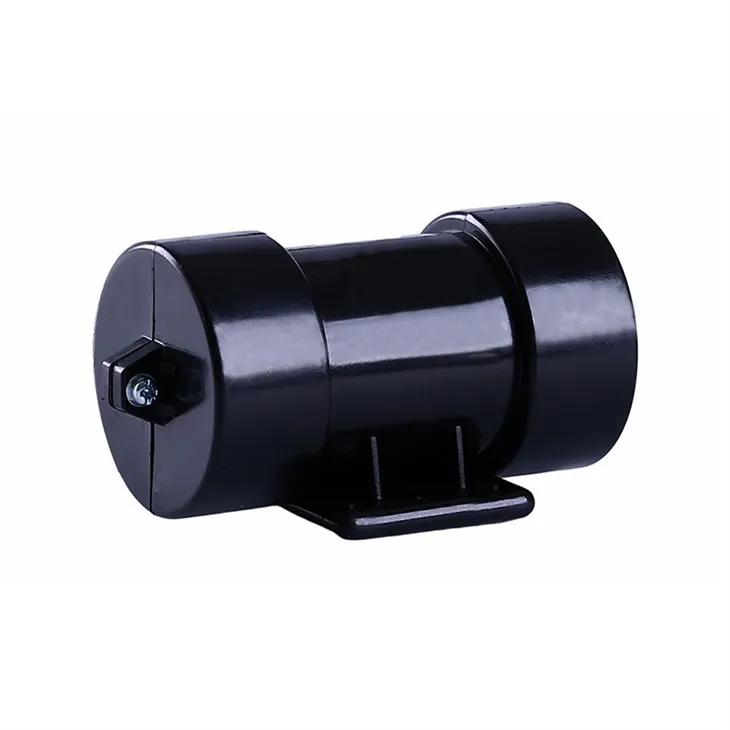

We also use vibration - damping materials in the motor's housing. These materials can absorb the vibrations and reduce the noise level. By reducing vibration and noise, we can improve the overall stability and reliability of the motor.
6. Regular Maintenance and Inspection
Even the most well - designed and manufactured motors require regular maintenance and inspection. This can help in detecting and addressing potential issues before they become serious problems.
We recommend regular cleaning of the motor to remove dust and debris, which can accumulate over time and affect the motor's performance. The bearings should be lubricated periodically to ensure smooth rotation. Electrical connections should be checked for tightness and signs of corrosion.
By following a regular maintenance schedule, we can extend the lifespan of the motor and ensure its stable operation.
7. Compatibility with the Application
The Film Roll Up DC Motor should be compatible with the specific application. This includes factors such as the film size, weight, and the frequency of use. For example, if the motor is used for a large - size and heavy - weight film, it needs to have sufficient torque and power.
We work closely with our customers to understand their specific requirements and recommend the most suitable motor for their application. This customized approach helps in ensuring that the motor operates stably and efficiently.
Additional Resources
If you are interested in other types of DC motors, we also offer a range of products such as 24V Hydraulic DC Motor - factory, Vibration Dc Motor, and 24V DC Winch Motor. These motors are also designed with high - quality components and advanced engineering to ensure stable operation.
Contact for Procurement
If you are looking for a reliable supplier of Film Roll Up DC Motors or have any questions about motor stability, please feel free to contact us. We are always ready to discuss your requirements and provide you with the best solutions. Our team of experts can offer technical support and guidance to help you choose the right motor for your application.
References
- Chapman, Stephen J. Electric Machinery Fundamentals. McGraw - Hill Education, 2012.
- Fitzgerald, A. E., Kingsley, C., Jr., & Umans, S. D. Electric Machinery. McGraw - Hill Education, 2003.