

Mounting a submersible DC motor on a boat is a task that requires careful planning, the right tools, and a good understanding of the motor's specifications. As a supplier of submersible DC motors, I've seen firsthand the importance of proper installation for optimal performance and longevity. In this blog post, I'll guide you through the process of mounting a submersible DC motor on a boat, from choosing the right motor to the final installation steps.
Choosing the Right Submersible DC Motor
The first step in mounting a submersible DC motor on a boat is selecting the appropriate motor for your needs. Consider the following factors when making your choice:
- Power Requirements: Determine the power needed to propel your boat efficiently. This depends on the size, weight, and intended use of the boat. For smaller boats, a lower-power motor may suffice, while larger boats may require a more powerful motor.
- Voltage: Submersible DC motors are available in various voltage ratings, such as 12V, 24V, or higher. Choose a voltage that is compatible with your boat's electrical system.
- Waterproofing: Since the motor will be submerged in water, it must be properly waterproofed to prevent damage from moisture. Look for motors with a high IP (Ingress Protection) rating, indicating their resistance to dust and water.
- Thrust and Speed: Consider the thrust and speed requirements of your boat. Higher thrust motors are better for heavier boats or boats that need to operate in rough waters, while higher speed motors are suitable for boats used for racing or high-speed cruising.
Some of the submersible DC motors we offer include the 24V DC Water Pump Motor, which is ideal for small to medium-sized boats, and the Vibration Dc Motor, which can be used for various applications on a boat. For boats with hydraulic systems, we also provide the 12V Hydraulic DC Motor-factory.
Preparing for Installation
Before you start mounting the submersible DC motor, gather the necessary tools and materials. You'll typically need the following:
- Motor Mounting Bracket: Choose a sturdy mounting bracket that is compatible with your motor and boat. The bracket should be made of corrosion-resistant material, such as stainless steel or aluminum, to withstand the harsh marine environment.
- Screwdrivers and Wrenches: You'll need a set of screwdrivers and wrenches to remove and install components on the boat and motor.
- Electrical Tools: Depending on your boat's electrical system, you may need wire strippers, crimping tools, and electrical tape to connect the motor to the power source.
- Sealant: Use a high-quality marine sealant to prevent water from entering the motor or the mounting area.
- Safety Equipment: Wear safety glasses, gloves, and appropriate clothing to protect yourself during the installation process.
Mounting the Motor
Once you have all the necessary tools and materials, follow these steps to mount the submersible DC motor on your boat:

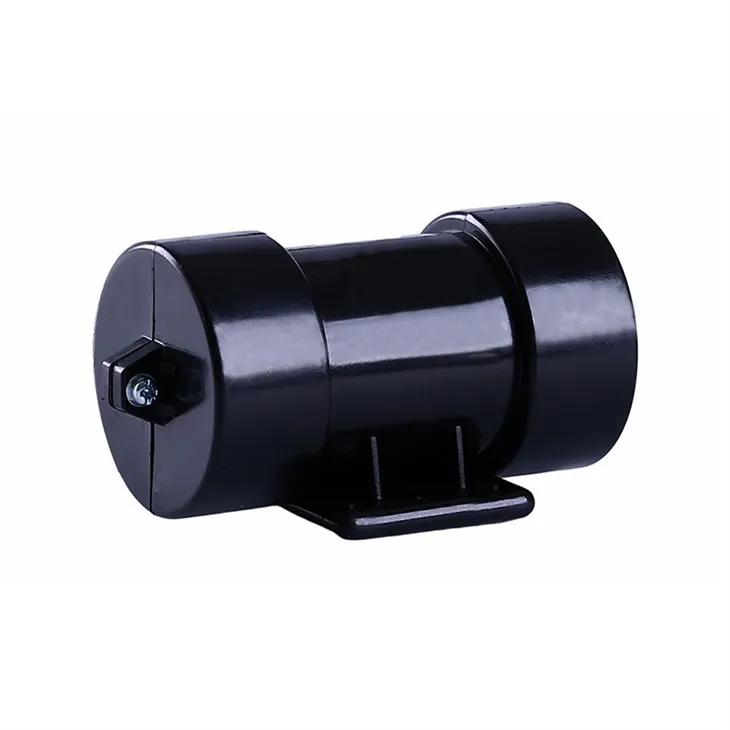
- Locate the Mounting Area: Choose a suitable location on the boat to mount the motor. The area should be accessible, free from obstructions, and close to the power source. Make sure the mounting surface is flat and level.
- Install the Mounting Bracket: Attach the mounting bracket to the boat using the appropriate screws or bolts. Make sure the bracket is securely fastened and aligned properly.
- Position the Motor: Place the motor on the mounting bracket and align it with the holes in the bracket. Use the provided bolts or screws to secure the motor to the bracket. Make sure the motor is tightly fastened and does not move.
- Connect the Electrical Wires: Follow the motor's wiring diagram to connect the electrical wires to the power source. Use wire strippers to remove the insulation from the wires, and crimp the connectors onto the wires using a crimping tool. Make sure the connections are secure and insulated with electrical tape to prevent short circuits.
- Seal the Mounting Area: Apply a generous amount of marine sealant around the edges of the motor and the mounting bracket to prevent water from entering. Make sure the sealant is evenly applied and forms a watertight seal.
- Test the Motor: Before you take the boat out on the water, test the motor to make sure it is working properly. Turn on the power and check if the motor runs smoothly and produces the expected thrust. If there are any issues, check the wiring connections and the motor's settings.
Tips for a Successful Installation
Here are some additional tips to ensure a successful installation of the submersible DC motor on your boat:
- Read the Manual: Before you start the installation process, read the motor's manual carefully to understand the installation instructions and safety precautions.
- Use the Right Tools: Using the right tools for the job will make the installation process easier and more efficient. Make sure you have all the necessary tools before you start.
- Follow the Wiring Diagram: Incorrect wiring can cause the motor to malfunction or even damage the boat's electrical system. Follow the wiring diagram provided by the motor manufacturer to ensure proper connections.
- Test the Motor Regularly: After the installation, test the motor regularly to make sure it is working properly. Check for any signs of wear or damage, and replace any worn or damaged parts as needed.
- Maintain the Motor: Proper maintenance is essential for the longevity and performance of the submersible DC motor. Follow the manufacturer's maintenance instructions, such as lubricating the motor, cleaning the propeller, and checking the electrical connections.
Conclusion
Mounting a submersible DC motor on a boat is a challenging but rewarding task. By choosing the right motor, preparing for the installation, and following the proper steps, you can ensure a successful installation and enjoy reliable performance from your motor. As a supplier of submersible DC motors, we are committed to providing high-quality products and excellent customer service. If you have any questions or need assistance with your motor installation, please don't hesitate to contact us. We look forward to helping you with your boating needs and discussing potential procurement opportunities.
References
- Manufacturer's manuals for submersible DC motors
- Marine electrical installation guides
- Boat maintenance and repair books