

Hey there! As a supplier of 12V DC winch motors, I often get asked about the speed regulation range of these motors. So, I thought I'd take a moment to break it down for you in this blog post.
First off, let's talk about what a 12V DC winch motor is. It's a type of motor that runs on a 12-volt direct current power source. These motors are commonly used in winches, which are devices that are used to pull or lift heavy objects. They're popular in a variety of applications, from off-road vehicles to industrial settings.
Now, onto the speed regulation range. The speed regulation range of a 12V DC winch motor refers to the range of speeds at which the motor can operate. This range is typically determined by the motor's design and the type of speed control system that's used.
There are a few different factors that can affect the speed regulation range of a 12V DC winch motor. One of the main factors is the motor's voltage. Since these motors run on a 12-volt power source, the voltage can have a significant impact on the motor's speed. Generally speaking, the higher the voltage, the faster the motor will run. However, it's important to note that the motor's speed is also affected by other factors, such as the load on the motor and the type of speed control system that's used.
Another factor that can affect the speed regulation range of a 12V DC winch motor is the motor's torque. Torque is the measure of the motor's ability to turn or rotate an object. The higher the torque, the more power the motor has to turn the winch drum and pull or lift heavy objects. However, a motor with high torque may not be able to run as fast as a motor with lower torque. So, it's important to find a balance between torque and speed when choosing a 12V DC winch motor.
The type of speed control system that's used can also have a big impact on the speed regulation range of a 12V DC winch motor. There are a few different types of speed control systems available, including variable resistance controllers, pulse width modulation (PWM) controllers, and electronic speed controllers (ESCs). Each type of speed control system has its own advantages and disadvantages, and the choice of which one to use will depend on the specific application and requirements of the winch.
Variable resistance controllers are the simplest type of speed control system. They work by adjusting the resistance in the motor's circuit to control the amount of current flowing through the motor. This, in turn, affects the motor's speed. Variable resistance controllers are relatively inexpensive and easy to use, but they're not very efficient and can generate a lot of heat.
PWM controllers are a more advanced type of speed control system. They work by rapidly switching the power on and off to the motor at a high frequency. The amount of time that the power is on versus off is controlled by a pulse width modulation signal, which determines the average voltage applied to the motor. PWM controllers are more efficient than variable resistance controllers and can provide a wider range of speed control.
ESCs are the most advanced type of speed control system. They use electronic circuits to control the motor's speed and torque. ESCs can provide very precise speed control and can also protect the motor from overheating and other types of damage. However, they're also the most expensive type of speed control system.
So, what's the typical speed regulation range of a 12V DC winch motor? Well, it really depends on the specific motor and the type of speed control system that's used. In general, most 12V DC winch motors have a speed regulation range of between 100 and 1000 revolutions per minute (RPM). However, some motors may be able to operate at higher or lower speeds depending on the specific application and requirements.
If you're in the market for a 12V DC winch motor, it's important to choose a motor that has a speed regulation range that's suitable for your specific application. You'll also want to consider other factors, such as the motor's torque, power, and efficiency. And, of course, you'll want to choose a reputable supplier that offers high-quality products and excellent customer service.
At our company, we offer a wide range of 12V DC winch motors that are designed to meet the needs of a variety of applications. Our motors are built to last and are backed by our commitment to quality and customer satisfaction. We also offer a variety of speed control systems, including variable resistance controllers, PWM controllers, and ESCs, to help you get the most out of your winch motor.
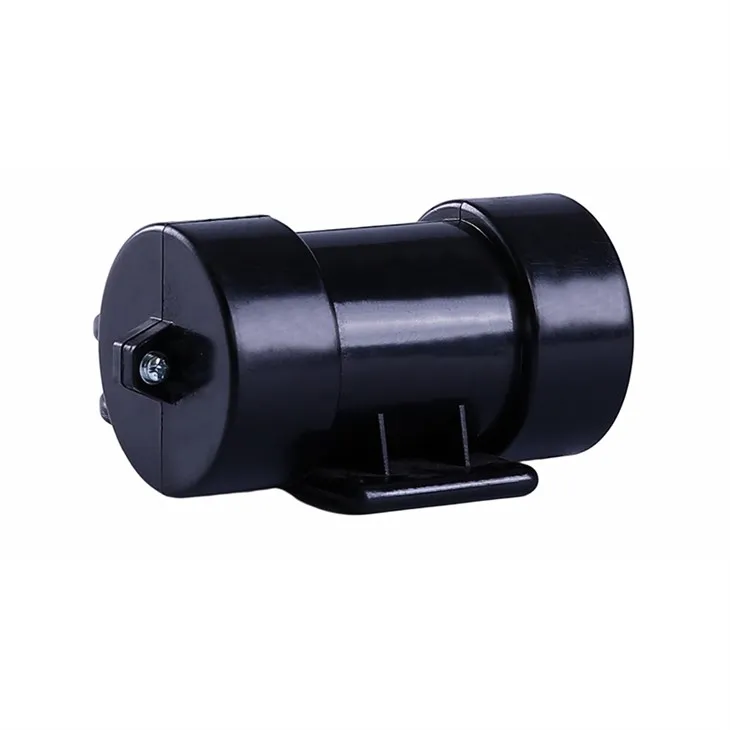

In addition to 12V DC winch motors, we also offer a range of other DC motors, including Film Roll Up DC Motor, Vibration Dc Motor, and 24V DC Water Pump Motor. Our motors are used in a variety of industries, including automotive, industrial, and consumer products.
If you're interested in learning more about our 12V DC winch motors or any of our other DC motors, please don't hesitate to contact us. We'd be happy to answer any questions you may have and help you find the right motor for your specific application. Whether you're a DIY enthusiast or a professional installer, we have the products and expertise to meet your needs.
In conclusion, the speed regulation range of a 12V DC winch motor is an important factor to consider when choosing a motor for your winch. By understanding the factors that affect the speed regulation range and choosing the right motor and speed control system, you can ensure that your winch operates safely and efficiently. And, if you need help choosing the right motor or have any other questions, don't hesitate to reach out to us. We're here to help!
References:
- Various industry publications on DC motors and winches
- Manufacturer specifications and technical documentation for 12V DC winch motors and speed control systems