

Hey there! As a supplier of PMDC (Permanent Magnet DC) motors, I often get asked about how to replace the brushes in these motors. It's a pretty common maintenance task that can extend the life of your motor and keep it running smoothly. So, let's dive right in and I'll walk you through the whole process.
Why Replace the Brushes?
First off, you might be wondering why you need to replace the brushes in the first place. Well, brushes in a PMDC motor are responsible for transferring electrical current from the stationary part (the stator) to the rotating part (the rotor). Over time, these brushes wear down due to friction and electrical arcing. When the brushes get too short or worn, they can cause issues like poor electrical contact, increased sparking, and even motor failure. So, replacing them at the right time is crucial to keep your motor in top shape.
Tools You'll Need
Before you start the replacement process, you'll need to gather a few tools. Here's what you'll typically need:
- Screwdriver set: You'll need different sizes of screwdrivers to open up the motor housing.
- New brushes: Make sure you get the right type and size of brushes for your specific PMDC motor. You can usually find this information in the motor's manual or by contacting the manufacturer.
- Cleaning brush: A small brush can be used to clean out any debris or dust from the motor.
- Multimeter: This tool can be used to test the electrical connections and make sure everything is working properly after the replacement.
Step-by-Step Guide to Replacing the Brushes
Now that you have your tools ready, let's get started with the replacement process.
Step 1: Disconnect the Power
This is a really important step. Before you do anything else, make sure you disconnect the power source from the motor. This will prevent any electrical shocks or damage to the motor.

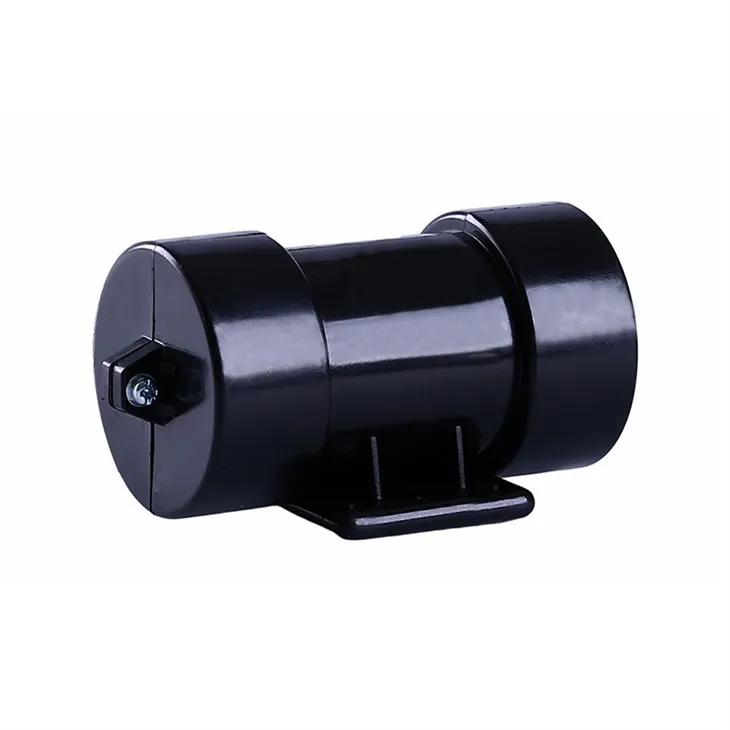
Step 2: Remove the Motor Housing
Use your screwdriver to remove the screws that hold the motor housing together. Carefully take off the housing and set it aside. Be careful not to lose any of the screws.
Step 3: Locate the Brushes
Once the housing is off, you should be able to see the brushes. They are usually located near the commutator, which is the part of the rotor that the brushes make contact with. The brushes are typically held in place by springs or clips.
Step 4: Remove the Old Brushes
Gently remove the old brushes from their holders. You may need to use a small tool to release the springs or clips that are holding them in place. Be careful not to damage the commutator or any other parts of the motor while you're doing this.
Step 5: Clean the Commutator
Use your cleaning brush to clean the commutator. Remove any dirt, dust, or debris that may have accumulated on it. A clean commutator will ensure good electrical contact with the new brushes.
Step 6: Install the New Brushes
Take your new brushes and carefully insert them into the brush holders. Make sure they are properly seated and that the springs or clips are holding them in place securely.
Step 7: Reassemble the Motor
Once the new brushes are installed, it's time to reassemble the motor. Put the housing back on and tighten the screws. Make sure everything is properly aligned and that there are no loose parts.
Step 8: Test the Motor
After reassembling the motor, reconnect the power source. Use your multimeter to test the electrical connections and make sure the motor is running properly. If you notice any issues, double-check your work and make sure the brushes are installed correctly.
Tips and Tricks
- Inspect the Brushes Regularly: It's a good idea to inspect the brushes regularly to catch any signs of wear early. This can help you avoid more serious problems down the road.
- Use High-Quality Brushes: Investing in high-quality brushes can make a big difference in the performance and lifespan of your motor. Cheaper brushes may wear out faster and cause more problems.
- Follow the Manufacturer's Instructions: Always refer to the motor's manual or the manufacturer's instructions for specific guidance on brush replacement. Different motors may have different requirements.
Our PMDC Motor Offerings
At our company, we offer a wide range of PMDC motors to suit different applications. Whether you need a 12V Hydraulic DC Motor for your hydraulic system, a Push Rod DC Motor for your push rod mechanism, or a Vibration Dc Motor for your vibration application, we've got you covered. Our motors are built to last and are backed by our excellent customer service.
Contact Us for Your Motor Needs
If you're in the market for a new PMDC motor or need help with brush replacement or any other motor-related issues, don't hesitate to reach out to us. We're here to help you find the right motor for your needs and provide you with the support you need to keep it running smoothly. Whether you're a small business or a large industrial operation, we can work with you to meet your requirements.
References
- "DC Motor Handbook" by Eugene Rosenberg
- Various motor manufacturer manuals and technical documents