

Hey there! As a DC gear motor supplier, I've seen firsthand how crucial it is to pick the right motor for textile applications. In this blog, I'll walk you through the key factors you need to consider when selecting a DC gear motor for your textile needs.
1. Power Requirements
The first thing you gotta think about is the power your textile application demands. Textile machinery can have a wide range of power needs, from small, delicate operations to heavy - duty processes. You need to calculate the power required to drive the various components of your textile equipment, like the spindles, rollers, or conveyors.
For instance, if you're running a small home - based textile setup with some light - duty fabric rolling, a lower - power motor might do the trick. But for large - scale industrial textile manufacturing, you'll need a motor with enough oomph to handle continuous operation and heavy loads. You can determine the power requirements by looking at the torque and speed needed for the specific task. Torque is the rotational force that the motor can generate, and speed is how fast the motor can turn. A higher torque motor is usually needed for applications that involve starting heavy loads or maintaining a consistent force during operation.

2. Speed and Torque
Speed and torque are two of the most important aspects when choosing a DC gear motor for textiles. In textile applications, different processes require different speeds. For example, weaving might need a slower, more controlled speed, while some spinning processes could benefit from a higher speed.
The gearbox in a DC gear motor plays a vital role here. It allows you to adjust the speed and torque output according to your needs. A gearbox can step down the speed of the motor while increasing the torque, or vice versa. So, you need to figure out the ideal speed - torque ratio for your textile machinery. If you're not sure, you can check out our [PMDC Motor - factory](/dc - motor/dc - brushed - motor/pmdc - motor - factory.html) page, where we have a variety of motors with different speed - torque characteristics.
3. Efficiency
Efficiency is a big deal, especially in textile applications where motors often run for long hours. An efficient motor will consume less power, which means lower energy bills and a reduced environmental impact. When selecting a DC gear motor, look for motors with high - efficiency ratings. These motors are designed to convert electrical energy into mechanical energy with minimal losses.
High - efficiency motors also tend to generate less heat, which can extend the lifespan of the motor and reduce the risk of overheating in your textile equipment. You don't want a motor that's constantly overheating and causing disruptions in your production process.
4. Size and Mounting
The physical size of the DC gear motor is another important factor. You need to make sure the motor fits into the available space in your textile machinery. Some textile equipment has limited space, so you'll need a compact motor.
There are also different mounting options available. You need to choose a motor that can be easily mounted in your equipment. Common mounting options include flange - mounted, foot - mounted, and face - mounted motors. Make sure to check the mounting dimensions and requirements of your textile machinery before making a selection.
5. Durability and Reliability
Textile applications often involve continuous operation, so you need a motor that can stand up to the test of time. Look for motors made from high - quality materials that can withstand the harsh conditions in a textile environment, such as dust, lint, and moisture.
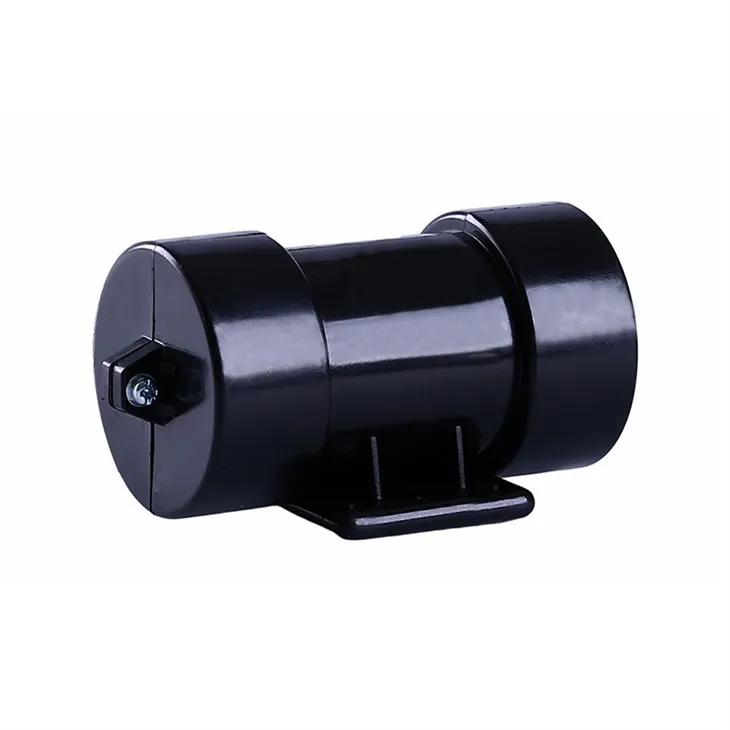
A reliable motor will also reduce the downtime of your textile machinery. You don't want to be constantly dealing with motor breakdowns and repairs. Check the motor's warranty and the reputation of the manufacturer. At our company, we take pride in providing durable and reliable DC gear motors that are built to last.
6. Control and Feedback
In modern textile applications, having precise control over the motor is essential. You might need to adjust the speed, torque, or direction of the motor depending on the production requirements. Some DC gear motors come with built - in control features, such as variable speed controllers or feedback systems.
A feedback system can provide information about the motor's speed, position, or torque, allowing you to make real - time adjustments. This can improve the quality of your textile products and increase the efficiency of your production process. For example, if you're using a [Film Roll Up DC Motor](/dc - motor/dc - brushed - motor/film - roll - up - dc - motor.html) for rolling up textile films, a good control system can ensure a smooth and even roll.
7. Noise Level
Textile factories can be noisy places, but you still don't want your motor to add too much to the noise pollution. A noisy motor can be a nuisance to the workers and may also indicate a problem with the motor's operation. Look for motors that are designed to operate quietly.
Some motors use special technologies, such as precision - engineered gears and noise - reducing materials, to minimize noise. A quiet motor not only creates a more comfortable working environment but also suggests a well - made and reliable product.
8. Cost
Last but not least, cost is always a consideration. You need to find a balance between the features you need and the price you're willing to pay. Don't just go for the cheapest option, as it may not meet your long - term needs.
However, there are also cost - effective solutions available. At our company, we offer a range of DC gear motors at different price points, so you can find a motor that fits your budget without sacrificing quality. You can also consider the total cost of ownership, which includes factors like energy consumption, maintenance, and replacement parts.
In conclusion, selecting the right DC gear motor for a textile application requires careful consideration of power requirements, speed and torque, efficiency, size and mounting, durability and reliability, control and feedback, noise level, and cost. If you're still not sure which motor is the best fit for your textile needs, don't hesitate to reach out to us. We're here to help you make the right choice and ensure the smooth operation of your textile machinery.
If you're interested in our products, whether it's a [PMDC Motor - factory](/dc - motor/dc - brushed - motor/pmdc - motor - factory.html), [Film Roll Up DC Motor](/dc - motor/dc - brushed - motor/film - roll - up - dc - motor.html), or [Vibration Dc Motor](/dc - motor/dc - brushed - motor/vibration - dc - motor.html), we'd love to have a chat with you about your specific requirements. Let's start a conversation and see how we can work together to enhance your textile production.
References
- "Motor Handbook" - A comprehensive guide on electric motors and their applications.
- Industry reports on textile machinery and motor requirements.
- Technical specifications from leading DC gear motor manufacturers.