

The response time of a massage DC motor is a crucial parameter that significantly impacts its performance in various massage applications. As a dedicated supplier of massage DC motors, I've witnessed firsthand the importance of understanding this characteristic for both product design and user experience. In this blog, I'll delve into what response time means, factors affecting it, and why it matters in the context of massage devices.
What is Response Time?
Response time refers to the time it takes for a massage DC motor to reach a specified operating state from a starting point. In most cases, it's measured as the time required for the motor to go from a stopped position to its rated speed or torque. This metric is vital because it determines how quickly the motor can initiate and adjust its massage function, directly influencing the effectiveness and user - friendliness of the massage device.
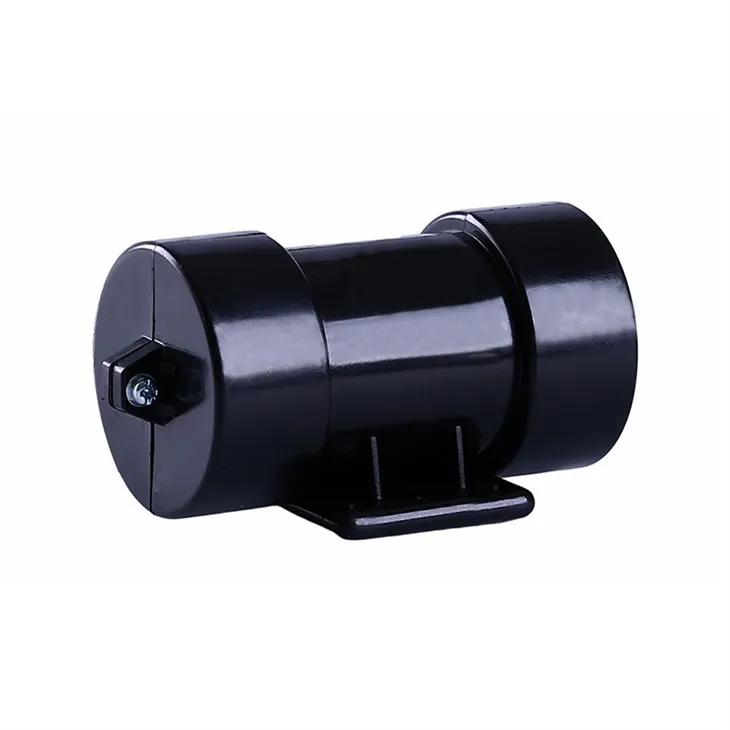
For instance, when a user presses the "start" button on a massage chair, they expect the massage nodes to start moving immediately. A motor with a short response time can achieve this, providing an instant massage experience. On the other hand, a motor with a long response time may cause a noticeable delay, which can be frustrating for the user.
Factors Affecting Response Time
Several factors can influence the response time of a massage DC motor.
1. Motor Design
The internal design of the motor plays a significant role. Motors with a simple and efficient design tend to have shorter response times. For example, a [PMDC Motor]( /dc - motor/dc - brushed - motor/pmdc - motor.html) (Permanent Magnet DC Motor) typically has a faster response compared to some other types. This is because PMDC motors use permanent magnets to generate the magnetic field, which allows for a more straightforward and quicker interaction between the magnetic forces and the armature, reducing the time needed to reach the desired speed.

2. Electrical Characteristics
The electrical properties of the motor, such as its resistance, inductance, and capacitance, also affect response time. A motor with low resistance can draw more current quickly, enabling it to accelerate faster. Similarly, lower inductance reduces the time it takes for the magnetic field to build up, leading to a shorter response time.
3. Load Conditions
The load on the motor is another crucial factor. A massage motor may need to operate under different loads depending on the massage technique and the pressure applied. A heavier load can slow down the motor's acceleration and increase the response time. For example, if a massage device is set to a deep - tissue massage mode, which requires more force, the motor has to work harder to reach the desired speed, resulting in a longer response time compared to a gentle massage mode.
4. Control System
The control system used to drive the motor can have a substantial impact on response time. Advanced control algorithms can optimize the power supply to the motor, enabling it to reach the desired state more quickly. For example, pulse - width modulation (PWM) control can precisely regulate the voltage applied to the motor, allowing for rapid adjustments in speed and torque.
Importance of Response Time in Massage Applications
The response time of a massage DC motor is of utmost importance in the following aspects:
1. User Experience
As mentioned earlier, a short response time provides an immediate and seamless massage experience for the user. Whether it's a handheld massager or a large - scale massage chair, users expect the device to start working right away. A motor with a long response time can lead to a sense of dissatisfaction and may even discourage users from using the device regularly.
2. Massage Effectiveness
In massage therapy, timing is crucial. Different massage techniques require precise and timely movements of the massage nodes. A motor with a fast response time can accurately execute these movements, ensuring that the massage is effective in relieving muscle tension, improving blood circulation, and reducing stress. For example, in a shiatsu massage, the motor needs to quickly alternate between pressing and kneading motions, which is only possible with a short response time.
3. Safety
In some cases, a fast - responding motor can enhance safety. For example, if a user accidentally presses a button that increases the intensity of the massage, a motor with a short response time can quickly adjust to the new setting. This reduces the risk of sudden and excessive force being applied to the body, which could cause injury.
Measuring Response Time
Measuring the response time of a massage DC motor typically involves using specialized equipment. An oscilloscope can be used to monitor the voltage and current waveforms of the motor during startup. By analyzing these waveforms, the time it takes for the motor to reach a certain speed or torque can be determined. Additionally, speed sensors such as tachometers can be used to directly measure the motor's speed and calculate the response time.
Our Offerings as a Supplier
As a supplier of massage DC motors, we understand the importance of response time and strive to provide motors with optimal performance. Our [DC Gear Motor - factory]( /dc - motor/dc - brushed - motor/dc - gear - motor - factory.html) offers a wide range of DC gear motors that are designed to have short response times. These motors are equipped with high - quality components and advanced control systems to ensure quick and precise operation.
Similarly, our [Vibration Dc Motor - factory]( /dc - motor/dc - brushed - motor/vibration - dc - motor - factory.html) produces vibration DC motors that can rapidly start and stop vibrating, making them ideal for massage devices that rely on vibration for therapeutic effects.
Contact for Procurement
If you're in the market for high - quality massage DC motors with excellent response times, we'd love to hear from you. Whether you're a manufacturer of massage chairs, handheld massagers, or other massage devices, our motors can meet your specific requirements. Contact us for procurement and let's discuss how we can work together to enhance your products.

References
- Dorf, R. C., & Bishop, R. H. (2016). Modern Control Systems. Pearson.
- Chapman, S. J. (2012). Electric Machinery Fundamentals. McGraw - Hill Education.