

Hey there! As a supplier of PMDC (Permanent Magnet DC) motors, I've seen firsthand how the load on these motors can have a big impact on their performance. In this blog, I'm gonna break down what load means for a PMDC motor and how it affects various aspects of its operation.
First off, let's talk about what load actually is. In the context of a PMDC motor, load refers to the amount of mechanical resistance that the motor has to overcome to do its job. This could be anything from the weight of a conveyor belt it's moving to the resistance in a mechanical system it's powering. The load can be constant, like a fan running at a steady speed, or it can vary, like a motor in a robotic arm that moves in different directions and with different forces.
One of the most obvious effects of load on a PMDC motor is on its speed. When you first start a PMDC motor with no load, it'll spin at its maximum speed, which is determined by the voltage applied to it and the motor's design. But as you start to add load, the motor has to work harder to keep turning. This causes the speed to drop. It's kind of like when you're riding a bike on flat ground; you can pedal pretty fast. But if you start going uphill, you have to work a lot harder, and your speed slows down.
The relationship between load and speed in a PMDC motor is described by what's called the speed - torque curve. Torque is the rotational force that the motor can produce, and it's directly related to the load. As the load (or torque requirement) increases, the speed of the motor decreases. This is an important thing to keep in mind when you're choosing a PMDC motor for a particular application. You need to make sure that the motor can maintain an acceptable speed even under the maximum load it'll encounter.
Another major effect of load is on the current drawn by the motor. When there's no load on the motor, it only needs to draw a small amount of current to overcome the internal friction and keep spinning. But as the load increases, the motor has to generate more torque to keep moving. To do this, it draws more current from the power source. Think of it like a muscle in your body. When you're just sitting around, your muscles don't need much energy. But when you start lifting heavy weights, your muscles need a lot more energy, which comes from the food you eat. In the case of a motor, the "food" is the electrical current.
This increase in current can have some consequences. For one, it can cause the motor to heat up. The more current flowing through the motor's windings, the more resistance there is, and this resistance generates heat. If the motor gets too hot, it can damage the insulation on the windings, which can lead to short - circuits and ultimately, motor failure. That's why it's crucial to choose a motor that can handle the current requirements of the load without overheating.
The load also affects the efficiency of the PMDC motor. Efficiency is the ratio of the mechanical power output of the motor to the electrical power input. When there's no load, the motor is not doing any useful work, so its efficiency is very low. As the load increases, the efficiency goes up because the motor is actually using the electrical energy to do something. However, if the load gets too high, the motor has to draw so much current that the losses due to resistance and other factors start to outweigh the useful work being done, and the efficiency starts to drop again. So, there's an optimal load range where the motor operates at its highest efficiency.
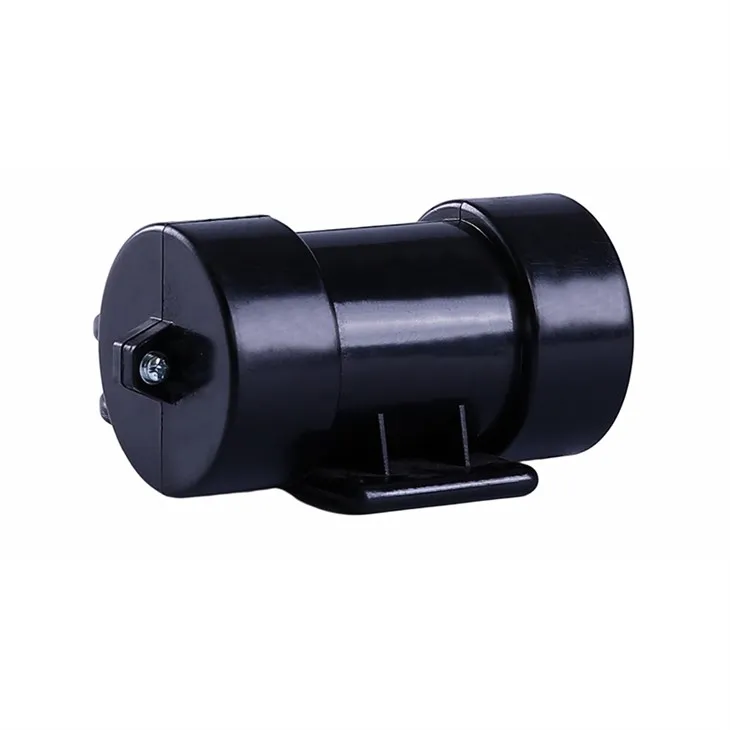
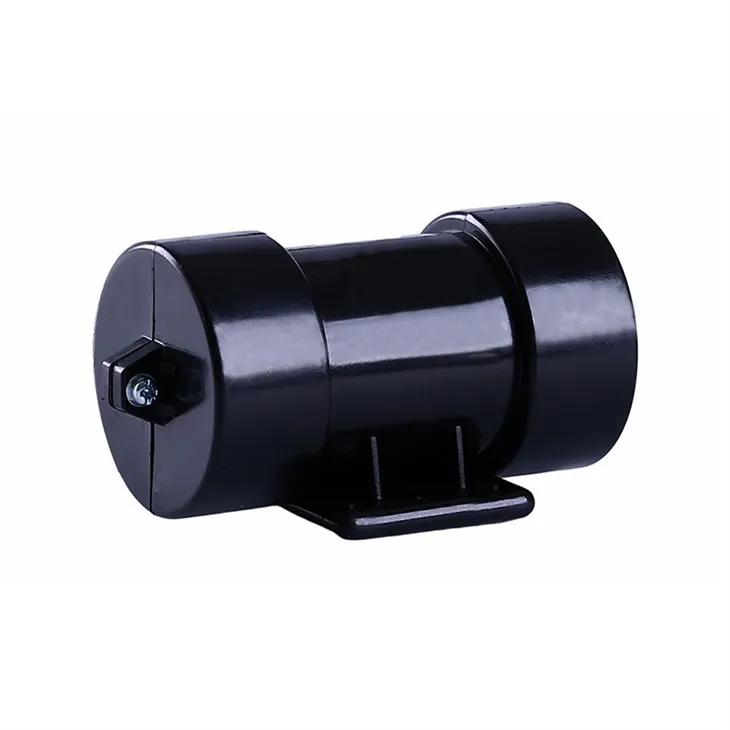
Now, let's take a look at some specific types of PMDC motors and how load affects them. For example, the Vibration Dc Motor is designed to produce a vibrating motion. The load on this motor can affect the intensity and frequency of the vibration. If the load is too high, the motor may not be able to vibrate as strongly or at the desired frequency.
The Push Rod DC Motor is used to move a push rod in a linear motion. The load on this motor can determine how fast and how far the push rod can move. If the load is too heavy, the motor may not be able to move the push rod at all, or it may move it very slowly.
The 24V Hydraulic DC Motor - factory is used in hydraulic systems. The load in a hydraulic system can come from things like the pressure in the hydraulic fluid and the resistance of the hydraulic components. A higher load means the motor has to work harder to pump the hydraulic fluid, which can affect the flow rate and pressure in the system.
As a PMDC motor supplier, I know how important it is to understand the effect of load on these motors. That's why we offer a wide range of motors with different specifications to meet the needs of various applications. Whether you need a motor for a small hobby project or a large industrial application, we can help you find the right one.
If you're in the market for a PMDC motor, it's essential to consider the load requirements of your application. You need to know the maximum torque and speed you'll need, as well as the duty cycle (how often the motor will be running and at what load). This will help you choose a motor that can perform reliably and efficiently.
So, if you're interested in learning more about our PMDC motors or have any questions about how load affects them, don't hesitate to get in touch. We're here to help you make the right choice for your project.
References:
- Electric Motor Handbook, various editions
- Technical papers on PMDC motor performance from industry research institutions.