

Hey there! I'm a supplier of 12V Hydraulic DC Motors. You might be wondering, "What is the flow rate requirement of the hydraulic system for a 12V hydraulic DC motor?" Well, let's dive right into it.
First off, let's understand what a 12V hydraulic DC motor is. It's a type of motor that uses hydraulic power and runs on a 12 - volt direct - current power source. These motors are super handy in a bunch of applications, like small machinery, automotive accessories, and even some DIY projects.
The flow rate of a hydraulic system is a crucial factor when it comes to the performance of a 12V hydraulic DC motor. Flow rate, simply put, is the volume of hydraulic fluid that passes through a given point in the system per unit of time. It's usually measured in liters per minute (LPM) or gallons per minute (GPM).
So, why does the flow rate matter? Well, the flow rate directly affects the speed and torque of the motor. If the flow rate is too low, the motor won't be able to generate enough power to perform its intended task. On the other hand, if the flow rate is too high, it can put unnecessary stress on the motor and other components of the hydraulic system, leading to premature wear and tear.
To figure out the flow rate requirement for a 12V hydraulic DC motor, we need to consider a few things. One of the main factors is the motor's displacement. Displacement refers to the volume of fluid that the motor can displace in one revolution. A motor with a larger displacement will generally require a higher flow rate to operate efficiently.
Another important factor is the desired speed of the motor. If you want the motor to run at a high speed, you'll need a higher flow rate. This is because more fluid needs to be pumped through the motor in a shorter amount of time to achieve that speed.
Let's take a look at an example. Suppose you have a 12V hydraulic DC motor with a displacement of 10 cc per revolution. If you want the motor to run at a speed of 1000 revolutions per minute (RPM), you can calculate the approximate flow rate requirement.
The formula to calculate the flow rate (Q) is: Q = Displacement × RPM
In our example, the displacement is 10 cc/rev and the RPM is 1000. So, Q = 10 cc/rev × 1000 rev/min = 10000 cc/min. To convert this to liters per minute, we divide by 1000. So, the flow rate requirement is 10 LPM.
However, this is just a basic calculation. In real - world applications, there are other factors that can affect the flow rate requirement. For instance, the efficiency of the hydraulic system plays a big role. If the system has a lot of leaks or high friction, you'll need a higher flow rate to compensate for the losses.
Also, the load on the motor matters. If the motor is driving a heavy load, it will require more power, and thus a higher flow rate, to maintain the desired speed.
Now, let's talk about some related products. If you're interested in other types of DC motors, check out our Vibration Dc Motor. These motors are great for applications where you need a small, vibrating motion, like in mobile phones or small toys.
We also have a wide range of motors from our Vibration Dc Motor - factory. Here, you can find high - quality vibration DC motors at competitive prices. And if you need a more powerful motor, our 24V Hydraulic DC Motor - factory offers a variety of 24V hydraulic DC motors to meet your needs.
In conclusion, determining the flow rate requirement of the hydraulic system for a 12V hydraulic DC motor is not a one - size - fits - all situation. It depends on multiple factors such as motor displacement, desired speed, system efficiency, and load. If you're unsure about the flow rate requirement for your specific application, don't hesitate to reach out. We're here to help you make the right choice.
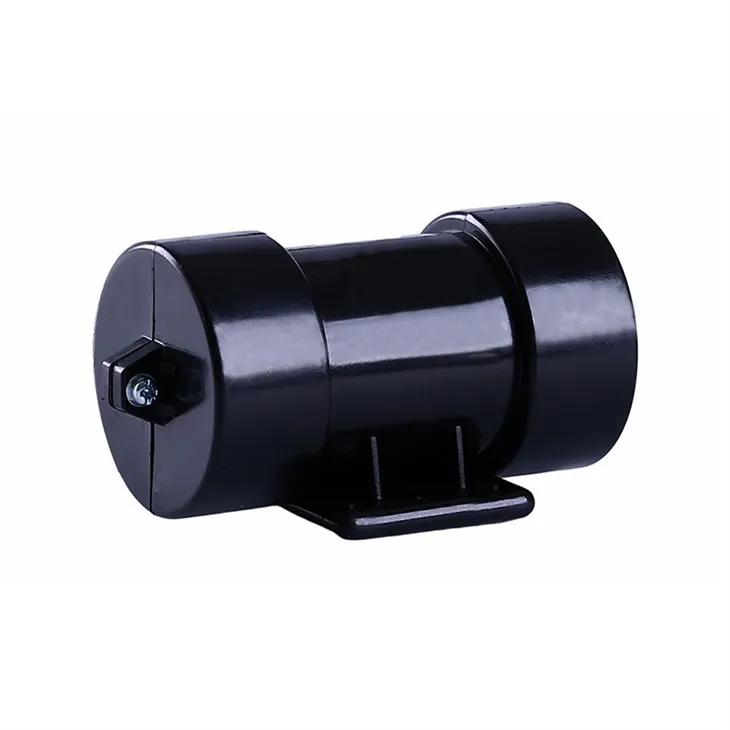

Whether you're a small business owner looking for motors for your machinery or a hobbyist working on a DIY project, we've got the 12V hydraulic DC motors you need. So, if you're interested in purchasing our products or have any questions about the flow rate or other technical aspects, feel free to contact us for a friendly chat and start the procurement process.
References
- Fluid Power Handbook, edited by the National Fluid Power Association
- Hydraulic Systems Design and Analysis, by Tomislav Dragicevic