

What is the impact resistance of a 24V linear actuator?
As a supplier of 24V linear actuators, I often get asked about the impact resistance of these devices. Impact resistance is a crucial factor, especially in applications where the actuator may be subjected to sudden forces or shocks. In this blog post, I'll delve into what impact resistance means for a 24V linear actuator, the factors that affect it, and why it matters in various industries.
Understanding Impact Resistance
Impact resistance refers to the ability of a 24V linear actuator to withstand sudden, high - magnitude forces without suffering significant damage or a loss of functionality. When an actuator encounters an impact, it experiences a rapid change in momentum, which can cause internal components to shift, break, or wear out prematurely.
A well - designed 24V linear actuator with high impact resistance can maintain its structural integrity and continue to operate accurately even after being exposed to such forces. This is essential in applications where reliability is non - negotiable, such as in industrial automation, automotive systems, and aerospace technology.
Factors Affecting Impact Resistance
1. Material Selection
The materials used in the construction of a 24V linear actuator play a vital role in determining its impact resistance. High - strength metals like steel and aluminum are commonly used for the actuator's housing and internal components. Steel offers excellent durability and can withstand high - impact forces, while aluminum is lightweight and corrosion - resistant, making it suitable for applications where weight is a concern.
For example, if the actuator's piston rod is made of high - grade steel, it can better resist bending or breaking when subjected to an impact. Similarly, a robust aluminum housing can protect the internal gears and motor from external shocks.
2. Design and Construction
The design of the actuator also affects its impact resistance. Actuators with a compact and rigid design are generally more resistant to impacts. For instance, a well - engineered gearbox can distribute the impact forces evenly throughout the actuator, reducing the stress on individual components.
Moreover, the use of shock - absorbing elements, such as rubber gaskets or dampers, can help dissipate the energy from an impact. These elements act as buffers, protecting the sensitive internal parts of the actuator from damage.
3. Motor and Gear System
The motor and gear system are critical components of a 24V linear actuator. A high - quality motor with sufficient torque can better handle the sudden changes in load caused by an impact. Additionally, a well - designed gear system can transfer the power smoothly and efficiently, reducing the risk of gear damage during an impact.
For example, a planetary gear system is known for its high load - carrying capacity and efficiency. It can distribute the impact forces evenly among the gears, minimizing the chance of gear failure.
Importance of Impact Resistance in Different Industries
1. Industrial Automation
In industrial automation, 24V linear actuators are used in a wide range of applications, such as conveyor systems, robotic arms, and packaging machines. These actuators are often exposed to high - speed movements and sudden stops, which can generate significant impact forces.
An actuator with high impact resistance can ensure the smooth operation of these industrial systems, reducing downtime and maintenance costs. For example, in a packaging machine, if the actuator fails due to an impact, it can cause the entire production line to stop, resulting in lost productivity and revenue.
2. Automotive Industry
In the automotive industry, 24V linear actuators are used in various applications, including seat adjustment, window control, and engine management systems. These actuators can be subjected to vibrations and impacts while the vehicle is in motion.
A high - impact - resistant actuator can enhance the reliability and safety of these automotive systems. For instance, in a seat adjustment system, a reliable actuator can ensure that the seat remains in the correct position, even when the vehicle encounters a pothole or a sudden stop.
3. Aerospace Technology
In aerospace technology, 24V linear actuators are used in critical applications such as flight control surfaces and landing gear systems. These actuators must be able to withstand extreme conditions, including high - speed impacts during takeoff and landing.
The impact resistance of these actuators is crucial for the safety and performance of the aircraft. A failure of an actuator in a flight control system can have catastrophic consequences, making high - impact resistance an absolute necessity.

Comparing with Other DC Motors
When considering the impact resistance of a 24V linear actuator, it's interesting to compare it with other types of DC motors. For example, a 12V DC Winch Motor is designed for applications where high pulling force is required. While it may have good torque characteristics, its impact resistance may be different from that of a 24V linear actuator.
A 24V Hydraulic DC Motor - factory uses hydraulic power to generate motion. The hydraulic system can provide some level of shock absorption, but the overall impact resistance may still depend on the design and construction of the motor.
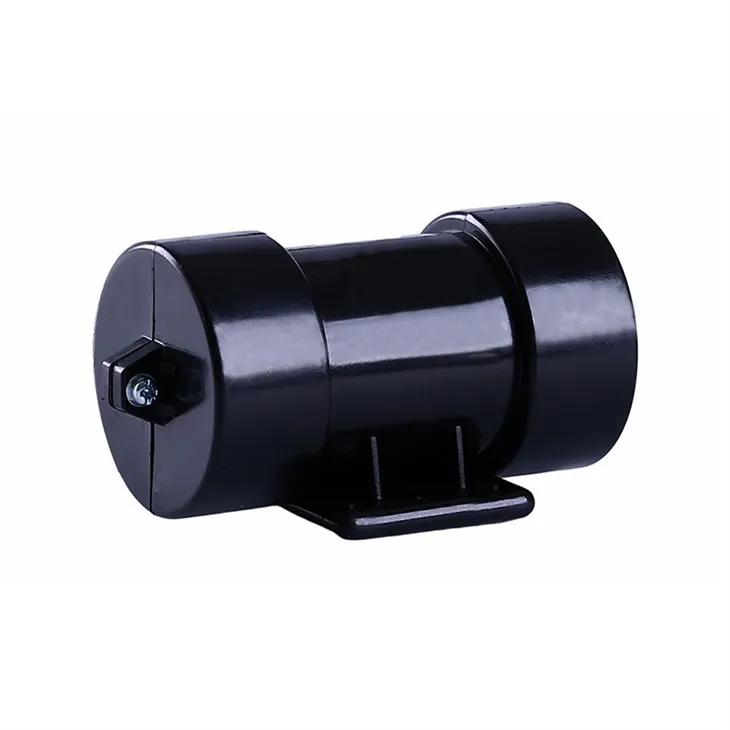
On the other hand, a Vibration Dc Motor is mainly used for generating vibrations, and its impact resistance requirements are different from those of a linear actuator.
Testing and Certification
To ensure the impact resistance of a 24V linear actuator, it is essential to conduct rigorous testing. Manufacturers typically use standardized testing methods to simulate real - world impact conditions. These tests can include dropping the actuator from a certain height, subjecting it to repeated impacts, or applying sudden shock loads.
Certifications from recognized organizations can also provide assurance of the actuator's impact resistance. For example, ISO standards for mechanical safety and durability can be used as a benchmark for evaluating the performance of an actuator under impact conditions.
Conclusion
The impact resistance of a 24V linear actuator is a critical factor that determines its reliability and performance in various applications. By carefully selecting materials, optimizing the design, and using high - quality components, manufacturers can produce actuators that can withstand significant impacts.
As a supplier of 24V linear actuators, we are committed to providing products with excellent impact resistance. Our actuators are designed and tested to meet the highest standards of quality and durability. If you are in the market for a reliable 24V linear actuator, we encourage you to contact us for more information and to discuss your specific requirements. We look forward to the opportunity to work with you and provide the best solutions for your applications.
References
- "Engineering Mechanics: Statics and Dynamics" by J.L. Meriam and L.G. Kraige
- "Mechanical Design of Machine Elements and Machines: A Failure - Prevention Perspective" by M.F. Spotts, W.C. Shigley, and J.K. Nisbett
- Industry standards and guidelines related to linear actuators and mechanical safety