

Hey there! As a supplier of 12V DC hydraulic motors, I often get asked about the transient response of these motors. So, I thought I'd take a moment to break it down for you in a way that's easy to understand.
First off, let's talk about what a transient response is. In simple terms, it's how a system reacts to a sudden change in input. When it comes to a 12V DC hydraulic motor, this could mean a sudden increase or decrease in voltage, load, or other operating conditions.
The transient response of a 12V DC hydraulic motor is crucial because it affects how well the motor can perform under real - world conditions. For example, if you're using the motor in a piece of equipment that requires quick starts and stops, you need a motor with a good transient response. Otherwise, the motor might not be able to keep up with the rapid changes in demand, leading to reduced efficiency and potentially even damage to the motor or the equipment it's powering.
There are a few key factors that influence the transient response of a 12V DC hydraulic motor. One of the most important is the motor's inertia. Inertia is basically the motor's resistance to changes in its state of motion. A motor with high inertia will take longer to speed up or slow down compared to a motor with low inertia. So, if you need a motor with a fast transient response, you'll want to look for one with relatively low inertia.
Another factor is the motor's electrical time constant. This is related to how quickly the motor can build up or dissipate electrical energy. A motor with a short electrical time constant can respond more quickly to changes in voltage, which is essential for a good transient response.
The hydraulic system itself also plays a role. The viscosity of the hydraulic fluid, the size and design of the hydraulic lines, and the efficiency of the hydraulic pump all affect how quickly the motor can start, stop, or change speed. For instance, if the hydraulic fluid is too thick, it can slow down the flow of hydraulic power to the motor, resulting in a slower transient response.
Now, let's take a closer look at how the transient response of a 12V DC hydraulic motor is measured. One common way is to look at the motor's step response. This involves applying a sudden step change in input (like a step increase in voltage) and then measuring how the motor's speed, torque, or other performance parameters change over time.
Typically, we're interested in three main aspects of the step response: the rise time, the settling time, and the overshoot. The rise time is the time it takes for the motor to go from its initial state to a certain percentage (usually 90% or 95%) of its final steady - state value. A shorter rise time means the motor can respond more quickly to changes in input.
The settling time is the time it takes for the motor's performance to stabilize within a certain tolerance band around the final steady - state value. If the settling time is too long, it means the motor is taking a long time to reach a stable operating condition after a change in input, which can be a problem in applications where quick and stable operation is required.
Overshoot refers to the amount by which the motor's performance exceeds its final steady - state value during the transient period. A large overshoot can cause stress on the motor and the connected equipment, and it might also lead to oscillations or instability in the system.
So, why should you care about all this when you're looking for a 12V DC hydraulic motor? Well, if you're in an industry where precision and speed are crucial, like robotics, automation, or mobile equipment, a motor with a good transient response can make a huge difference. It can improve the overall performance of your equipment, increase productivity, and reduce downtime.
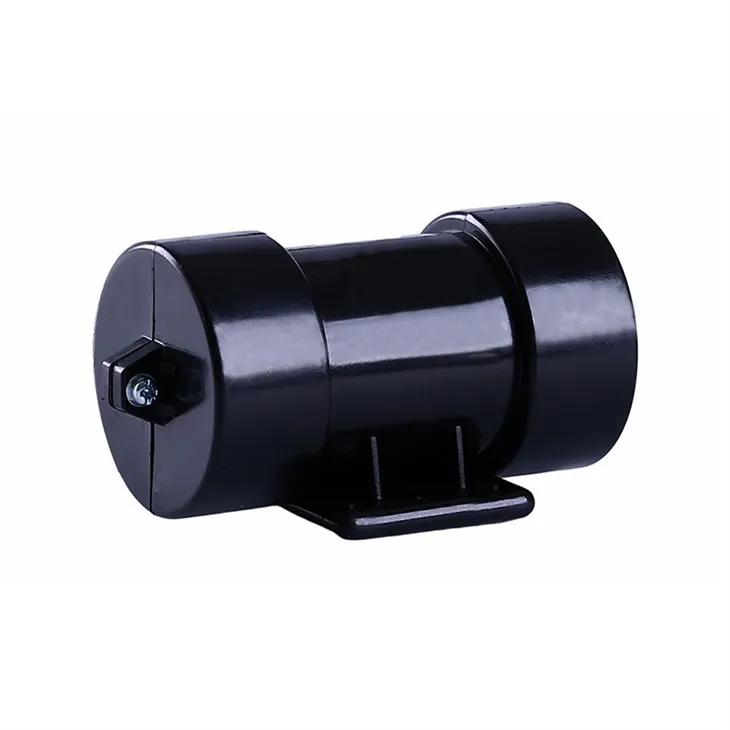
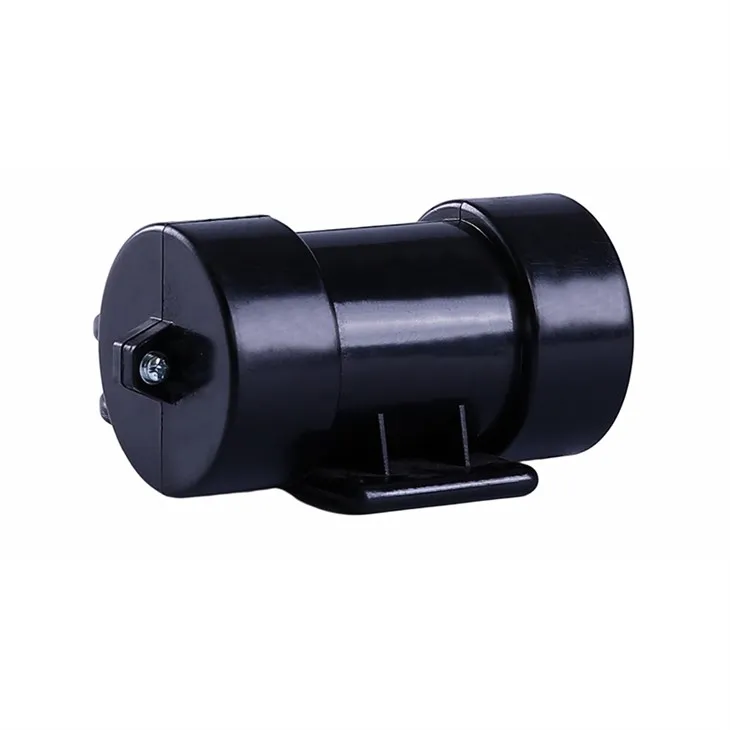
As a supplier, I understand the importance of providing motors with excellent transient responses. That's why we invest a lot of time and resources in research and development to optimize the design of our 12V DC hydraulic motors. We use high - quality materials and advanced manufacturing techniques to ensure that our motors have low inertia, short electrical time constants, and are compatible with a wide range of hydraulic systems.
If you're in the market for a 12V DC hydraulic motor, you might also be interested in some of our other products. For example, we offer Vibration Dc Motor, which are great for applications where vibration is needed, like in some types of sensors or small - scale actuators. We also have 24V Hydraulic DC Motor for those who need a bit more power. And if you're looking for a reliable source of permanent magnet DC (PMDC) motors, check out our PMDC Motor - factory.
We're here to help you find the right motor for your specific needs. Whether you're a small - scale manufacturer or a large industrial company, we can work with you to understand your requirements and provide a solution that offers the best transient response and overall performance. So, if you have any questions or if you're ready to start a conversation about your motor needs, don't hesitate to reach out. We're always happy to have a chat and help you make the right choice.
In conclusion, the transient response of a 12V DC hydraulic motor is a critical aspect of its performance. By understanding the factors that influence it and choosing a motor with a good transient response, you can ensure that your equipment operates efficiently, reliably, and at its best. If you're interested in learning more or getting a quote for our 12V DC hydraulic motors, just drop us a line. We're looking forward to hearing from you and helping you take your projects to the next level.
References:
- "DC Motors: Fundamentals, Types, and Applications" - A technical guide on DC motor principles
- "Hydraulic System Design and Analysis" - A resource on the design and performance of hydraulic systems
- Industry whitepapers on the performance evaluation of DC hydraulic motors